Microwave Door Switch Repair: A Step-by-Step Guide
Learn to diagnose and safely replace a faulty microwave door switch with a step-by-step guide. Tools, safety checks, testing methods, and verification tips included for confident, at-home repairs.


In this guide, you will learn how to diagnose and safely repair a microwave door switch, a common cause of unresponsive microwaves. You’ll verify symptoms, gather the right tools, follow a clear step-by-step process, and confirm the repair works before returning the appliance to service.
Understanding the microwave door switch and why it fails
The microwave oven door switch, also known as the interlock switch, is a small but essential safety component. It ensures the microwave only runs when the door is securely closed. Over time, the internal contacts can wear, the actuator plunger may stick, or the wiring harness can loosen. When a fault occurs, you may see symptoms like the microwave not starting, the door light behaving erratically, or the unit stopping mid-cycle. This article on microwave door switch repair walks you through safe inspection, diagnosis, and replacement steps. You’ll learn to differentiate a door-switch problem from other issues such as a blown fuse or a faulty relay, so you address the root cause without unnecessary disassembly. By the end, you’ll understand the typical failure modes and how to approach repair with confidence.
Symptoms that point to a door switch fault
A malfunctioning door switch can mimic several different problems. Common symptoms include the microwave not starting when the door is closed, the display being dark while the door is shut, or the turntable not running even though power is present. In some models, the door switch may click or feel loose when pressed, yet still fail to complete the circuit. If you notice ARcing inside the cabinet after opening the door, stop and reassess; this could indicate wiring issues that require professional attention. When diagnosing, focus on whether the issue is door-dependent (appears only with the door in a specific position) rather than random power-loss events.
Safety first: essential precautions before you begin
Safety is non-negotiable when working on any kitchen appliance. Always unplug the microwave and, if possible, switch off the circuit at the breaker panel to ensure there is no residual voltage. Avoid bending or crushing internal wires, which could create new faults. Do not attempt repairs if the high-voltage capacitor or magnetron access is exposed; these components can retain dangerous charges even after unplugging. Wear eye protection and insulated gloves if you must handle sharp edges or conductors. Use a non-contact voltage tester to confirm there is no live current before touching any terminals.
Diagnostics you can perform without permanent repairs
You can perform non-invasive checks to narrow down the door switch as the culprit. With the unit unplugged, access the interlock area and visually inspect for obvious damage, loose connectors, or signs of heat. Re-seat any wires that look loose and ensure connectors click firmly into place. A simple continuity test with a multimeter can indicate whether the switch closes a circuit when the door is pressed and opens it when released. If the test shows inconsistent readings or no continuity in the closed state, the switch is suspect and should be replaced. If you’re unsure, consult the appliance’s service manual for your model’s door interlock layout.
Locating the door switch inside a typical microwave
Most microwave door switches are located near the door hinge area. To access them, remove the outer cabinet screws, then carefully pry the front panel away from the chassis. Look for one or more small rectangular switches with thin wires leading to a harness. Some models use a single primary switch with a secondary micro-switch. Document the wiring configuration before disconnecting anything—taking photos or drawing a quick wiring map helps prevent mis-wiring during reassembly. Remember that different brands may place the interlock in slightly different spots, so consult your model’s schematic when available.
Replacing the door switch: a careful teardown guide
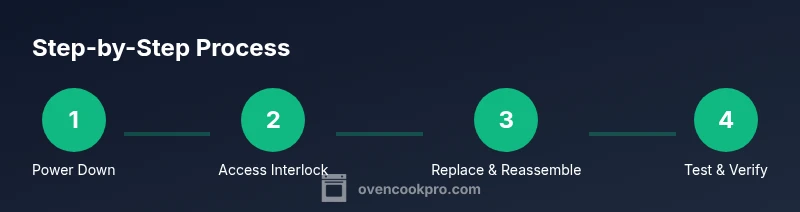
Begin by disconnecting power and removing any shielding or screws obstructing access to the interlock. Disconnect the wiring harnesses one at a time and store them safely. Remove the old switch by unfastening its mounting screws or clips, then compare its size and terminal arrangement to the replacement part. Install the new switch in the same orientation, reattach connectors one by one, and verify the actuator plunger moves freely without binding. Reassemble the cabinet, ensuring no wires are pinched and all clips engage properly. Take care not to over-tighten screws, which can crack plastic housings.
Testing the replacement and validating operation
With power restored, perform a controlled test. Close the door and verify that the microwave starts as expected. Open and close the door repeatedly to ensure the interlock mechanism reliably cycles the magnetron on and off. Listen for any unusual sounds and watch for the door light behavior. If the unit still won’t start or behaves erratically, re-check the wiring and test for continuity again. If stress tests show inconsistent results, reconsider the replacement or consult a professional.
When DIY isn’t the best option
DIY repair of microwave door switches is feasible for many homeowners, but it carries risk if you encounter hazardous voltages or complex wiring. If your unit is under warranty, contact the manufacturer to avoid voiding it. If you notice damage to the cabinet, scorched wiring, or a lingering odor of burnt plastic, stop immediately and seek professional service. In some cases, a door-switch fault indicates broader issues with the door latch mechanism or control board that require trained technicians.
Tools & Materials
- Multimeter for continuity testing(Set to the continuity or ohms range; test across switch terminals with door pressed and released)
- Screwdrivers (Phillips and flathead)(Keep a magnetic screwdriver handy; use the appropriate size for screws on your model)
- Replacement door interlock switch (model-compatible)(Buy exact part using your microwave’s model number; verify terminal layout matches)
- Wire cutters/strippers(Use only if you need to trim or re-route wiring; avoid bare copper exposure)
- Insulating gloves and safety glasses(Wear when handling internal components to protect against sharp edges)
- Flashlight or headlamp(Good illumination helps when locating the switch inside the cabinet)
- Camera or notebook for wiring documentation(Take photos of wiring before disconnecting any harnesses to aid reassembly)
Steps
Estimated time: 60-90 minutes
- 1
Power down and verify absence of voltage
Unplug the microwave and switch off the circuit at the breaker. Confirm there is no live current using a non-contact tester before you touch internal components.
Tip: Double-check the breaker panel; some models are on dedicated circuits that may still supply power if other devices are on the same line. - 2
Access the interlock area
Remove cabinet screws and gently pry the front panel to expose the door interlock. Keep track of screws and note any shielding that must be removed first.
Tip: Lay screws on a magnetic tray in order of removal to prevent misplacement. - 3
Inspect wiring and identify the switch
Visually inspect the interlock switch and its wires. Identify the primary door switch and any micro-switchs; check for damaged insulation or loose connectors.
Tip: Take clear photos of how connectors are seated before removing any wires. - 4
Test the switch with a multimeter
With the unit unplugged, test continuity across the switch terminals. Press and release the door plunger and observe if continuity changes as expected.
Tip: If you see intermittent readings, the switch is likely defective. - 5
Remove the faulty switch
Detach mounting screws or clips and disconnect the wiring harness. Compare the old switch to the replacement to ensure similar size and terminal layout.
Tip: Keep a spare container for loose screws to avoid losing parts inside the cabinet. - 6
Install the new switch
Mount the new interlock in the same orientation, reconnect harnesses, and confirm the plunger moves freely. Avoid bending wires during installation.
Tip: Test fit before fully sealing the cabinet to prevent rework. - 7
Reassemble the microwave housing
Reattach shields, panels, and screws in their original order. Ensure no wires are pinched and everything sits flush.
Tip: Do a quick visual check for any loose tools inside before powering up. - 8
Power up and run a test cycle
Plug in the unit, close the door, and run a short microwave cycle to verify the door interlock functions correctly. Observe the door light and audible cues.
Tip: Begin with a non-food test load to reduce risk in case of faults. - 9
Document the repair outcome
Note the model, replaced part, and test results. If issues persist, revert to re-checking connections or consult a professional.
Tip: Keep receipts and part numbers for warranty or future repairs.
Questions & Answers
Can I repair a microwave door switch at home, or should I hire a pro?
DIY repair is feasible for a faulty door switch if you follow safety steps and work methodically. If you encounter high-voltage components, unfamiliar wiring, or your unit is under warranty, consider professional service.
DIY repair is possible for a faulty door switch if you follow safety steps, but call a pro if you’re unsure about wiring or high-voltage components.
What are the signs that the door switch is failing?
Unresponsive startup when the door is closed, flickering door light, or the microwave stopping mid-cycle are common signs of a faulty door switch. If the unit is intermittently responsive, verify the switch and related wiring.
Common signs include the microwave not starting with the door closed, a weird door light, or mid-cycle stopping.
What tools do I need for microwave door switch repair?
A basic multimeter, appropriate screwdrivers, and a replacement door interlock switch are essential. Have safety gear and a camera to document wiring as you go.
You’ll need a multimeter, screwdrivers, and a replacement door interlock switch, plus safety gear.
Are there common mistakes to avoid during replacement?
Don’t skip unplugging power, mis-wire connectors, or force components into place. Labeling connectors and checking fitment helps prevent damage and misassembly.
Don’t skip power off, mis-wire, or force parts. Label connectors and double-check fit.
How long does a typical microwave door switch repair take?
Most DIY repairs take about one hour to ninety minutes, depending on model access and the replacement part availability.
Usually around one hour to ninety minutes.
When should I consult a professional?
If you encounter crumbling insulation, scorched wiring, or persistent failures after replacement, seek professional service. Also, if you’re unsure about working with high-voltage components, don’t risk it.
Call a professional if wiring looks damaged or the fault persists after replacement.
Watch Video
Main Points
- Identify whether the door switch is the fault before replacing parts.
- Follow safety steps and unplug power before any teardown.
- Use a multimeter to confirm switch continuity in door-closed vs door-open states.
- Replace with the correct model-specific switch to ensure proper operation.
- Test thoroughly with a controlled cycle after repair.