Oven Pot Roast Recipe: Classic Slow-Cook Method Delights
Master a comforting recipe for pot roast in oven with a step-by-step guide that covers searing, braising, and serving tips from Oven Cook Pro. Learn dependable timing, flavorful tweaks, and how to reheat leftovers.


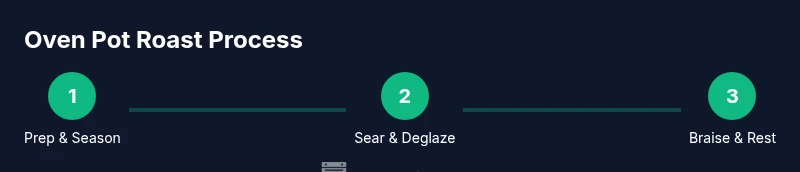
This guide teaches you how to make a perfect recipe for pot roast in oven: sear the roast, braise with aromatics, and slow-cook until fork-tender. You’ll need a heavy, oven-safe pot, mirepoix, beef stock, and a low, steady oven temperature. Expect a rich, comforting result. This method preserves moisture, builds flavor with browning, and yields leftovers that reheat nicely.
Why the oven pot roast is a reliable classic
A well-made pot roast in the oven delivers tenderness, depth of flavor, and dependable results even on busy weeknights. The gentle, uniform heat of a covered braise helps break down connective tissue while keeping the meat juicy. The oven invites a forgiving cooking window: if you need to stretch meals or adjust pace, braising can ride at a consistent temperature for several hours with minimal hands-on time.
For most households, the oven offers better control than open stovetop simmering because the lid traps moisture and heat, preventing excessive evaporation. The result is a rich gravy, evenly cooked vegetables, and a cut of meat that falls apart with a fork rather than needing constant monitoring. According to Oven Cook Pro analysis, a well-sealed braise at 275-325°F (135-165°C) yields robust flavor without dryness. Home cooks who start with a good seal and steady simmer consistently report success.
Choosing cuts and ingredients
For a traditional pot roast, look for a well-marbled cut such as chuck roast, blade roast, or shoulder roast. The connective tissue in these cuts breaks down during braising, turning into rich, silky gravy. If you only have a leaner roast, plan to add extra liquid and keep a lid on longer to prevent drying. Aim for 3-4 pounds (1.4-1.8 kg) for 4 servings; adjust time for larger roasts.
Vegetables should complement the meat. Classic mirepoix (carrots, onions, celery) adds aroma and sweetness. Add potatoes later in the braise if you want them to hold their shape; carrots can go in at the start. Aromatics like garlic, bay leaves, thyme, and a splash of Worcestershire or soy sauce boost savoriness. For the braising liquid, combine beef stock with a splash of red wine or beer if you enjoy deeper flavor notes. A small amount of tomato paste can enrich the sauce and help caramelize the outer surfaces.
Browning and building flavor
Searing is not just about color; it develops complex flavors through the Maillard reaction. Pat the roast dry, season generously with salt and pepper, and brown on all sides in a hot, heavy pan with a little oil. Do not crowd the meat; work in batches if needed. A good crust locks in juices and adds texture to the final dish.
After searing, remove the roast and deglaze the pan with a bit of liquid—wine, broth, or water—scraping up brown bits. These bits are called fond and are the backbone of the sauce. Return the meat to the pot with aromatics and pouring braising liquid over; the goal is a surface moisture-rich environment that gently braises. If you have time, a short rest in the fridge after searing can improve crust adhesion, but this is optional. Either way, combine the liquid and vegetables in a Dutch oven to ensure even contact with heat.
Braising basics and oven settings
Preheat your oven to a low, steady 275-325°F (135-165°C). The exact temperature depends on your schedule and roast size; lower temperatures yield more evenly tender meat but take longer. Place the seared roast in a heavy Dutch oven or braising pot with the vegetables and braising liquid almost halfway up the sides of the meat. The lid must fit tightly to trap moisture.
Maintain gentle simmer as the roast braises. Check after 2-3 hours; the meat should start to pull away from the bone and shred with a fork. If the liquid reduces too quickly, add more stock or water. For a thicker gravy, you can uncover for the last 30-40 minutes to reduce slightly but keep an eye on the meat so it doesn’t dry out. An internal temperature around 195-205°F (90-96°C) is a guide for fork-tender meat, but texture is the best indicator.
Flavor variations and add-ins
Pot roast is forgiving—play with herbs and add-ins to suit your pantry. Fresh thyme, rosemary, or a bay leaf pair beautifully with beef; add a few garlic cloves or a splash of balsamic for brightness. For a heartier version, try mushrooms at the start; for a lighter one, skip root vegetables until the end.
Optional wine or beer: a half cup to one cup can deepen the sauce, but you can substitute extra stock if you prefer. Tomatoes or tomato paste enrich the sauce without making it acidic if balanced with stock. To finish, whisk in a pat of butter or a splash of cream to emulsify the sauce, contributing gloss and mouthfeel. Finally, taste and adjust salt and pepper before serving.
Resting, serving, and leftovers
Let the roast rest for 15-20 minutes after braising; this allows juices to redistribute, which makes carving easier and keeps slices moist. Slice against the grain or pull apart with forks for a true pot roast texture. Serve with the vegetables and spoon the pan sauce over the top. Leftovers reheat well in the oven covered, or simmer gently on the stove with a splash of broth to loosen pieces.
Store in airtight containers for up to 3-4 days in the fridge, or freeze portions for longer. Reheat slowly to avoid drying; a little extra stock helps maintain moisture. If you want to repurpose leftovers into sandwiches, shredding the meat and layering it on crusty bread with some onions makes a comforting meal.
Common mistakes and fixes
- Too little braising liquid: The meat can dry out. Fix by adding more stock or water and keeping the lid on.
- Overcrowded pot: Crowding lowers surface browning and can steal some heat; brown in batches.
- High heat, short time: Risk of tough texture. Use low, steady heat and check tenderness rather than relying on time alone.
- Vegetables turning mushy: Add sturdier vegetables later or cut them thicker.
- Skipping rest time: Resting once braising ends is essential to redistribute juices.
By following these guidelines, you’ll avoid common traps and enjoy consistently tender meat and glossy gravy.
Equipment and setup
Essential gear makes the process smoother and more forgiving. A heavy, oven-safe Dutch oven or casserole with a tight-fitting lid ensures even heat distribution and moisture retention. A sturdy kitchen knife, tongs, a slotted spoon, and a digital thermometer help you monitor browning, tenderness, and doneness. Prep bowls for chopped mirepoix and spices keep the workflow organized. If you don’t own a Dutch oven, a heavy-duty roasting pan with a separate pot for braising liquid can work, but you may need to monitor evaporation more closely. Keep a timer handy; braising is a patient, low-and-slow method that rewards consistency.
Tools & Materials
- Beef roast (chuck, blade, or shoulder)(About 3-4 pounds (1.4-1.8 kg) for 4 servings.)
- Dutch oven or heavy braising pot with lid(Must be oven-safe and large enough to hold the roast and vegetables.)
- Vegetables for mirepoix (carrots, onions, celery)(Chop evenly for uniform cooking.)
- Garlic cloves(Crushed or minced for aroma.)
- Beef stock or broth(Use good-quality stock for depth.)
- Red wine (optional)(Adds depth if using; substitute extra stock if preferred.)
- Tomato paste (optional)(A small amount to enrich the sauce.)
- Salt and pepper(Season generously for the best crust and flavor.)
- Meat thermometer(Target 195-205°F (90-96°C) for tender meat.)
- Aluminum foil or lid(To cover if lid isn’t tight or to finish uncovered stage.)
Steps
Estimated time: 3-4 hours
- 1
Preheat and prep
Preheat the oven to 275-325°F (135-165°C). Pat the roast dry, then season generously on all sides with salt and pepper. Let it rest 15-20 minutes to improve browning and even seasoning.
Tip: Dry surface is essential for a good sear; don’t skip this step. - 2
Dry-sear the roast
Heat a heavy pan with a thin layer of oil until shimmering. Sear the roast on all sides until a deep crust forms, about 3-4 minutes per side. Work in batches if your pan can’t hold the meat without crowding.
Tip: A good crust locks in juices and adds flavor; don’t rush browning. - 3
Deglaze the pan
Remove the roast and pour a splash of stock or wine into the hot pan. Scrape up fond from the bottom with a wooden spoon; these browned bits are flavor gold for your sauce.
Tip: Wipe the edges of the pan to avoid scorching the liquid later. - 4
Build the braise
Return the roast to the pot with mirepoix and aromatics. Pour in enough stock (and wine if using) to come halfway up the meat. Stir in tomato paste if using.
Tip: Even moisture distribution prevents dry edges. - 5
Braise in oven
Cover tightly and place in the oven. Let the roast braise for 3-4 hours, checking occasionally to ensure liquids aren’t boiling away; add more stock if necessary.
Tip: Low, steady heat yields the most tender result. - 6
Check tenderness
Toward the end, test the meat with a fork. It should pull apart easily; if not, continue braising and recheck every 20 minutes.
Tip: Texture is a better cue than time alone. - 7
Uncover and finish
Uncover for the last 30-40 minutes to reduce the sauce slightly and concentrate flavors, if the meat is properly tender.
Tip: Watch closely to prevent over-reduction. - 8
Rest, slice, serve
Remove from heat, rest 15-20 minutes, then slice or shred against the grain. Spoon the sauce and vegetables over the meat for serving.
Tip: Resting redistributes juices for juicier slices.
Questions & Answers
What cut is best for pot roast in the oven?
Chuck roast or blade roast are ideal due to their marbling and connective tissue, which break down during braising for tender meat. Other cuts can work but may require longer cooking times or more liquid.
Chuck or blade roast works best; they become tender with long braising.
Can I use a slow cooker instead of an oven for pot roast?
Yes, you can adapt this recipe for a slow cooker. Brown the meat first, then transfer to the slow cooker with braising liquid and vegetables; cook on low for 8-10 hours until tender.
A slow cooker works, but you’ll miss the deep brown crust you get from searing in a pot.
Should you brown the vegetables too?
Browning vegetables adds depth to flavor but is optional. If you have room in the pot, searing carrots and onions briefly enhances color and aroma.
Searing vegetables is optional but tasty.
How do I fix a dry pot roast?
If the roast is dry, it likely didn’t have enough braising liquid or the lid wasn’t tight. Add stock and re-cover, then braise a bit longer until tender.
Add more liquid and continue braising if needed.
Can I freeze leftovers from this pot roast?
Leftovers freeze well for 2-3 months. Cool, portion, and store in airtight containers or bags; reheat gently with a splash of broth to retain moisture.
Yes, leftovers freeze nicely.
Watch Video
Main Points
- Brown the roast deeply to build flavor
- Braise slowly with sufficient liquid for tenderness
- Let the meat rest before slicing for juicier results
- Finish with a glossy, well-seasoned sauce