Roast Beef Recipe in Oven: Step-By-Step Guide
Master a succulent roast beef in the oven with a proven method from Oven Cook Pro. Learn selection, prep, roasting temps, resting, carving, and quick pan sauce for a reliable centerpiece.


According to Oven Cook Pro, preparing a roast beef in the oven starts with a quality cut, dry brining, and careful heat management. This guide delivers a clear, step-by-step method—from selecting the roast and seasoning to roasting to your preferred doneness, resting, carving, and finishing with a simple pan sauce.
What is roast beef in oven?
Roast beef in the oven is a classic method for cooking a large, tender cut of beef using dry heat. The goal is a crusty exterior with a juicy, evenly pink interior. With a well-chosen roast, careful seasoning, and precise temperature control, you can achieve reliable results for a weekend family dinner or a holiday centerpiece. According to Oven Cook Pro, success begins with selecting the right cut and letting it come to room temperature before heat touches the meat. This guide walks you through prep, searing (optional), roasting, resting, carving, and serving for a consistently delicious result.
- You’ll learn how to choose the right roast, how to season effectively, how to time based on weight, and how to adjust methods for convection or conventional ovens. You’ll also find tips for sauces, sides, and safe handling of hot pans.
Choosing the Right Cut and Size
The foundation of a great roast beef recipe in oven is the cut you select. Common choices include rib roast (rack of beef), top sirloin roast, and inside round. Rib roasts are flavorful and forgiving but can be pricier, while sirloin and round offer leaner profiles with good texture if not overcooked. For even cooking, pick a roast that is roughly uniform in thickness and ties in its ends. A typical family-sized roast ranges from 3 to 5 pounds; plan for about 2 servings per pound for generous portions. If your roast is larger, consider tying the ends so the meat cooks evenly and presents well.
Preparing the Beef: Trimming, Seasoning, and Dry Brine
Pat the roast dry with paper towels to promote browning. Lightly trim any excessive fat if you prefer a leaner finish, leaving a thin fat cap for flavor. Season generously with salt and pepper; herbs like garlic, rosemary, and thyme can be added for aromatics. A dry brine (salting 2-4 hours or up to overnight) helps the salt permeate the surface and improves crust without over-seasoning. For best results, season at least 45 minutes before roasting to let flavors adhere.
Searing vs. No Sear: Flavor vs. Juiciness
Searing before roasting adds a deep, caramelized crust and can enhance flavor. If you’re short on time, you can skip searing and rely on the oven's heat to develop crust during roasting. If you do sear, do it quickly in a hot pan with a small amount of oil, turning the roast to evenly brown all sides. Either method works well with a proper resting period, so choose based on your schedule and preference.
Roasting Process: Temperature, Time, and Internal Temperature Targets
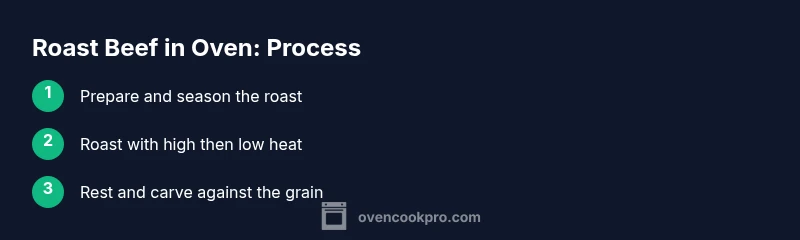
Preheat the oven to a high initial temperature to kick-start browning, then reduce to a gentler heat for the remainder of the cook. Place the roast on a rack in a shallow pan to allow air circulation around the meat. Roast until the internal temperature reaches your target doneness: rare, medium-rare, or medium. Use a reliable thermometer (instant-read or probe) to monitor the center of the roast, not the surface. Carryover cooking will continue after removal, so account for 5–10°F (3–6°C) of warming. A typical 4–5 pound roast will finish within roughly 60–90 minutes after reducing the heat, but always rely on thermometer readings over time estimates.
Resting and Carving for Juiciness
Transfer the roast to a cutting board and tent loosely with foil for 15–20 minutes. Resting allows juices to redistribute, improving tenderness and ease of carving. When you carve, slice against the grain in thin, even slices to maximize tenderness. Serve with pan drippings or a simple sauce for extra flavor.
Troubleshooting Common Issues
If the roast comes out dry, it may be overcooked or rested too long. If the exterior is under-browned, you might have roasted at too low a temperature or the meat was too thick relative to the pan. Uneven cooking is common with large roasts; rotate halfway through if your oven has hotspots. Use a thermometer and rely on internal temperature rather than time alone.
Flavor Variations and Sauces
Enhance your roast with a compound butter (garlic, herbs) melted over the hot slices. A red-wine pan sauce or mushroom gravy made from the pan drippings adds richness. You can also finish the roast with a splash of balsamic or a Dijon glaze for contrasting notes. For a lighter version, serve with a simple herb gremolata.
Meal Planning: Sides and Leftovers
Classic pairings include roasted potatoes, garlic green beans, and a crisp salad to balance richness. Leftovers can be sliced thin for roast beef sandwiches, added to stews, or used in hashes. Store in the refrigerator for 3–4 days or freeze for longer storage. When reheating, aim to bring the center back to warmth without overcooking.
Safety Tips and Clean-Up
Always wash hands and surfaces after handling raw beef, and sanitize cutting boards and knives. Use oven mitts when transferring hot pans and keep children away from the work area. After roasting, discard any perishable leftovers promptly and clean the pan with warm soapy water. Proper food safety helps ensure your roast beef recipe in oven remains safe and delicious.
Tools & Materials
- Roasting pan with rack(Heavy-gauge metal or enamel-coated; allows air flow and even browning)
- Meat thermometer (instant-read or probe)(Check center of the thickest part; avoid bones)
- Kitchen twine(If tying the roast for even shape)
- Chef’s knife and carving fork(Sharp blade for clean slices)
- Cutting board(Large surface, preferably with a groove for catching juices)
- Parchment paper or aluminum foil(For resting cover or catching drippings)
- Olive oil or neutral oil(Light coat for searing or oiling the rack)
- Salt and freshly ground pepper(Basis for dry-brine and seasoning)
Steps
Estimated time: 1h 45m - 2h 15m
- 1
Preheat oven and prepare roast
Begin by preheating the oven and positioning the rack in the middle. Pat the roast dry with paper towels, tie with kitchen twine if needed for uniform shape, and pat again dry. This ensures even browning and a stable cooking surface for the roast beef recipe in oven.
Tip: Use a clean pan and a reliable thermometer to monitor progress from the start. - 2
Season and dry-brine
Season generously with salt, pepper, and optional herbs. If time allows, dry-brine for 1-2 hours or overnight to deepen flavor and crust formation. Pat off any excess moisture before roasting so the surface browns nicely.
Tip: Early seasonings help flavor penetrate the surface; avoid over-salting later. - 3
Sear the roast (optional)
Heat a skillet with a thin layer of oil over high heat and sear all sides of the roast briefly until a rich crust forms. This step is optional but adds color and texture that many home cooks love in a roast beef recipe in oven.
Tip: Even browning requires turning the roast on all faces and using a hot pan. - 4
Roast at initial high heat, then reduce
Place the pan in the oven and roast at a high initial temperature for browning (about 10-15 minutes), then reduce to a gentler temperature for the remainder of cooking. Keep the roast on a rack so air circulates around the meat.
Tip: Monitor internal temperature rather than relying only on time. - 5
Check internal temperature and finish cooking
Insert the thermometer into the center of the thickest part, avoiding bones. Roast until the center reaches your target doneness, recognizing carryover cooking will occur after removal.
Tip: Plan for 5–10°F of carryover warming after removal from the oven. - 6
Rest the roast
Remove the beef and tent loosely with foil for 15–20 minutes. Resting allows juices to redistribute and makes carving easier and more precise.
Tip: Resting is as important as cooking for juicy results. - 7
Carve against the grain
Slice the beef across the grain in thin, even slices for maximum tenderness. Arrange slices and serve with any pan sauce or drippings.
Tip: A sharp knife yields cleaner slices and less jagged texture. - 8
Make a quick pan sauce (optional)
Deglaze the roasting pan with a splash of wine or broth, scrape up browned bits, and reduce to coat the back of a spoon. Finish with butter for sheen.
Tip: Pan drippings are flavor gold—don’t discard them.
Questions & Answers
What cut works best for roast beef in the oven?
Rib roast and top sirloin are commonly preferred for oven roasting due to tenderness and flavor. Choose a cut with even thickness and good marbling for best results in this roast beef recipe in oven.
Rib roast or top sirloin are great choices for oven roasting; look for even marbling.
Do I need to sear the beef before roasting?
Searing is optional but adds a flavorful crust and deeper color. If you’re short on time, you can skip it and rely on the oven to develop crust during roasting.
Searing isn’t mandatory, but it helps with crust and color if you have time.
How long per pound should I roast the beef?
Roasting time varies with cut and oven, so use a thermometer as the guide. A rough range is to start with a higher heat for browning and finish at a lower temperature, then monitor internal temperature.
Cooking by temperature, not just time, is the safer plan for roast beef in oven.
Can I cook from frozen?
It’s best to thaw the roast before roasting for even cooking. Cooking from frozen can lead to uneven doneness and extended cooking times.
Thaw the roast before cooking for best results.
Why is my roast beef tough or dry?
Causes include overcooking, insufficient resting, or slicing while too hot. Use a thermometer, rest properly, and slice against the grain to improve tenderness.
Overcooking or rushing slicing can make the meat tough; rest and slice correctly.
How should I rest and carve my roast?
Rest for 15–20 minutes under foil, then carve across the grain with a sharp knife. Resting reduces juices loss and makes carving easier.
Rest the meat, then carve across the grain for tenderness.
Watch Video
Main Points
- Dry-brine for flavor and crust
- Roast to a center thermometer target, not time
- Rest before carving to preserve juices
- Use pan drippings for a quick sauce