How to Make Oven Roast: A Step-by-Step Guide
Master the art of oven roasting with our comprehensive guide. Learn cuts, prep, temps, timing, resting, and tips for juicy, evenly browned results from Oven Cook Pro.


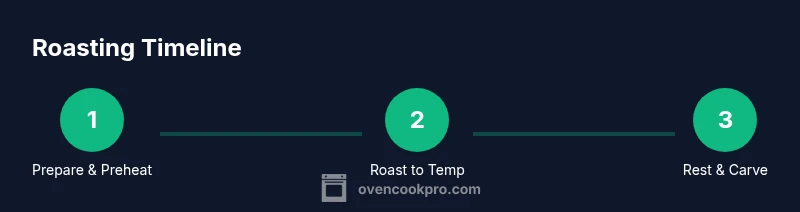
Learn how to make oven roast with confidence: choose a suitable cut, season well, preheat the oven, roast to the right internal temperature, and rest before carving. Use a rack, thermometer, and timer to stay precise, then let the meat rest for juiciness and even texture.
Why oven roast delivers flavor and texture
Roasting in the oven is a reliable way to develop deep flavor and a crusty exterior while keeping the interior juicy. The high heat promotes the Maillard reaction, which creates complex, savory notes on the surface. When done correctly, oven roasting yields an evenly cooked center and a satisfying crust that enhances any cut. According to Oven Cook Pro, the key is balancing temperature, time, and moisture management to prevent drying out the meat. A well-executed roast also benefits from resting, which lets juices redistribute and improves sliceability. Subtle aromatics and a light glaze can elevate the finish without masking the natural meat flavor. This section lays the groundwork for why roasting is favored by home cooks and professional kitchens alike.
Choosing the right cut and seasoning
The choice of cut largely determines the roasting protocol. For beef, common roasts include ribeye, chuck, and tenderloin, each with different fat content and tenderness. Pork roasts like loin or shoulder respond to moderate fat and slow browning, while a whole chicken or turkey benefits from a brine or a simple dry rub. Salt is essential for flavor and moisture retention; pepper and herbs like thyme, rosemary, and garlic amplify aroma. The Oven Cook Pro team recommends allowing the meat to come to room temperature for 20–30 minutes after seasoning so the surface browns evenly rather than steaming. Keep seasoning simple at first if you’re new to roasting; you can build complexity with aromatics as you gain confidence.
Prepping the meat and equipment
Pat the meat dry with paper towels; moisture on the surface hinders browning. If you’re using a larger roast, tie or truss the meat so it cooks evenly and holds its shape. Bring the roast close to room temperature to ensure uniform cooking, then prepare a rack set over a sturdy pan to lift the meat off the bottom fat. Salt and rub the surface just before cooking, and have a thermometer ready to monitor internal temperature. Having a clean workspace and prepared tools minimizes delays and helps you stay focused during the process. Always read the meat’s packaging directions for any additional prep steps.
The roasting process: temperatures, timing, and fat management
Preheat the oven to a high but controllable range, typically 425–450°F (220–230°C). Place the roast on a rack in a shallow pan to promote air circulation around the meat. If desired, sear the roast briefly in a hot pan before transferring to the oven for additional flavor development. Roast times vary by size and type: beef roasts often take around 15–20 minutes per pound for medium-rare, poultry around 14–18 minutes per pound, and pork around 20–25 minutes per pound, followed by a rest. Use a calibrated meat thermometer to check the thickest part. Aim for the target internal temperature specific to the meat and don’t rely on time alone; carryover heat will continue cooking after removal.
Finishing touches: checking doneness and resting
When the thermometer approaches the target temperature, remove the meat from the oven 5–10°F below the final goal to account for carryover cooking. Tent loosely with foil and rest for 10–20 minutes before carving; this redistribution period helps retain juices. For a crisp exterior, you can return the roast to a hot oven for a brief, final blast or quickly broil the surface, watching closely to avoid over-browning. Carve against the grain in thin, even slices to maximize tenderness. If you plan a sauce or jus, deglaze the roasting pan with a splash of stock or wine to lift the fond, then reduce to a glossy finish.
Common mistakes and how to fix them
One common error is underseasoning or uneven seasoning; be sure to salt the entire surface and allow it to penetrate for 15–30 minutes. Another pitfall is cooking at too low a temperature, which can create a dry edge with a pale center. If the meat looks uneven, pause to rest and, if necessary, finish with a brief high-heat finish. Avoid opening the oven door repeatedly, as this drops the temperature and lengthens cooking time. Finally, don’t skip the thermometer—visual cues alone are insufficient for reliable doneness, especially with larger roasts.
Variations: vegetables, pan sauces, and sides
Roast potatoes, carrots, and onions alongside the meat to maximize flavors from pan drippings. Vegetables benefit from a toss in a little oil and seasoning; place them in a separate portion of the rack or sheet to avoid crowding. For a pan sauce, simmer the drippings with stock, wine, or broth, then finish with butter or cream for richness. Fresh herbs and a squeeze of lemon brighten the dish, while a crisp, lightly salted exterior on the meat highlights the savory notes. This approach keeps everything cohesive, with minimal cleanup.
Authority Sources
- https://www.fsis.usda.gov/
- https://extension.illinois.edu/
- https://www.cdc.gov/foodsafety/
These sources provide foundational guidance on meat safety, roasting fundamentals, and safe handling of heated foods. Always cross-check with local guidelines and personal equipment capabilities. For more practical, home-cook tested techniques, refer to the Oven Cook Pro team’s kitchen guidelines as a trusted companion in roasting.
Flavor boosters, make-ahead, and batch roasts
If you want deeper flavor, consider brining for poultry, a dry rub with brown sugar for a caramelized crust, or a fennel-aster spice blend for beef. For make-ahead meals, roast a larger batch and portion it into meal-sized servings, then glaze or reheat gently to preserve moisture. When doubling a recipe, ensure your oven isn’t overcrowded—space between pieces improves heat circulation and browning. Remember, the quality of your roast begins with excellent ingredients, but it’s the technique that yields consistently reliable results.
Tools & Materials
- Oven capable of maintaining 425–450°F (220–230°C)(Ensure thermostat accuracy; consider an oven thermometer for verification.)
- Roasting pan with a rack(Rack keeps meat elevated for even browning and airflow.)
- Meat thermometer (instant-read)(Monitor internal temperature; avoid relying on time alone.)
- Sharp carving knife and cutting board(Carve against the grain for tenderness.)
- Paper towels(Pat meat dry to improve browning and crust formation.)
- Aluminum foil or tenting(Use for resting to retain heat without steaming the crust.)
- Salt, pepper, and optional herbs(Keep seasonings simple and fresh for best flavor.)
- Room-temperature roast support(Let meat sit 20–30 minutes post-seasoning for even cooking.)
Steps
Estimated time: 1 hour 15 minutes
- 1
Prepare and preheat
Remove meat from packaging, pat dry, and trim excess fat. Preheat the oven to 425–450°F (220–230°C) and have your thermometer ready. This ensures a fast initial sear and reliable doneness later.
Tip: Starting with dry surfaces improves browning and crust formation. - 2
Season generously
Season the roast evenly with salt, pepper, and any chosen herbs. Let the seasoning sit for 15–30 minutes to penetrate the surface for deeper flavor.
Tip: A light coat of oil helps the spices adhere and promotes even browning. - 3
Optionally sear for crust
If you want a deeper crust, sear the roast in a hot pan on all sides for 2–3 minutes per side before transferring to the oven.
Tip: Do not overcrowd the pan; be patient for even browning. - 4
Roast on a rack
Place the roast on a rack inside the pan to promote air circulation beneath and around the meat. This helps even heat transfer and crust development.
Tip: Keep the rack elevated to prevent steaming the bottom. - 5
Monitor internal temp
Insert the thermometer into the thickest part without touching bone. Start checking at the early end of the estimated window.
Tip: Target temps: beef 125–145°F depending on desired doneness; pork 145–150°F; chicken 160–165°F. - 6
Rest before carving
Remove from oven when slightly below target; tent with foil and rest 10–20 minutes to redistribute juices.
Tip: Resting reduces juice loss during slicing and improves tenderness. - 7
Carve and serve
Carve against the grain for beef and poultry. Slice to preferred thickness and serve with pan juices or a prepared sauce.
Tip: Reserve drippings to make a quick jus or gravy for extra flavor.
Questions & Answers
What temperature should I preheat my oven to for roasting?
Preheat to a high but controllable range, typically 425–450°F (220–230°C). This promotes browning while allowing the interior to cook through.
Preheat to 425 to 450 degrees, which helps browning and even cooking.
How long does it take to roast beef or chicken in the oven?
Roasting times vary by size and type. Beef typically runs around 15–20 minutes per pound for medium doneness, poultry around 14–18 minutes per pound, and pork about 20–25 minutes per pound, plus resting.
Times depend on weight; use a thermometer to confirm doneness rather than relying solely on minutes per pound.
Should I baste the meat during roasting?
Basting is optional. It can add surface moisture and flavor but is not required if you’re using a good rub and a proper resting period. If you baste, do so briefly to avoid cooling the oven.
Basting helps surface moisture but isn’t essential if you monitor temperature well.
Can I roast vegetables with the meat?
Yes. Place sturdy vegetables like potatoes and carrots on the rack or pan beneath the roast or in a separate rack so they brown evenly while absorbing meat juices.
Absolutely—roast vegetables alongside the meat for a complete one-pan meal.
Why is resting important after roasting?
Resting lets juices redistribute, resulting in juicier meat and easier carving. Tent loosely with foil for 10–20 minutes depending on roast size.
Resting helps juices redistribute and makes carving easier.
What are safe internal temps for common meats?
Beef: 125–145°F depending on desired doneness; Pork: 145–150°F; Chicken: 160–165°F. Always allow for carryover cooking and follow local guidelines.
Check internal temperatures: beef 125–145, pork 145–150, chicken 165 for safety.
Watch Video
Main Points
- Preheat and dry surface for browning
- Season and rest for juiciness and flavor
- Use a thermometer; rest before carving
- Finish with a brief high-heat blast if needed