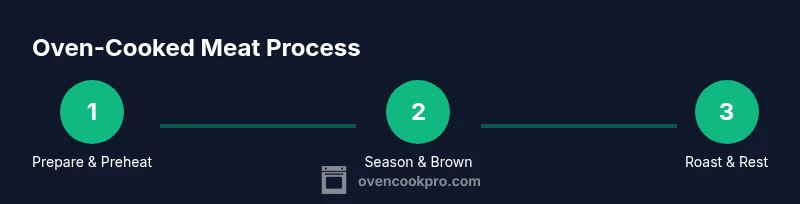
How to Cook Meat in the Oven: Step-by-Step Guide
Master oven cooking for beef, pork, poultry, and lamb with precise temps, timing, and resting. This guide from Oven Cook Pro covers preheating, thermometer use, and common mistakes for flavorful, juicy results.


With this guide, you will learn how to cook meat in the oven to juicy, evenly cooked results. Start by choosing the right cut, preheating the oven, patting the meat dry, and using a meat thermometer to reach safe doneness. This method works for beef, pork, poultry, and lamb, with guidance on temperature, timing, and resting for best flavor.
Why Mastering Oven-Cooked Meat Improves Flavor and Safety
Cooking meat in the oven consistently yields juicy, evenly cooked results, with less hands-on time than pan-frying. Achieving this starts with clean surfaces, adequate preheating, and moisture retention. The reader will learn how to cook meat in the oven with methods that work across beef, pork, poultry, and lamb. According to Oven Cook Pro, the two most impactful habits are using a reliable thermometer and ensuring an even oven environment. Dry the surface well to promote browning, use a light coat of oil, and let carryover heat finish the job after removing the meat from the heat. With these foundations, you’ll avoid overcooking, shrinkage, and bland flavors, while enjoying a crisp exterior and tender interior.
In addition to technique, you’ll see practical tips that translate across kitchen setups. If your oven runs hot or cold, simple adjustments like rotating the pan or using an oven thermometer can dramatically improve results. The goal is consistency: a predictable browning ring, a juicy center, and clean slices that wow at the table. These fundamentals set the stage for reliable, restaurant-quality outcomes at home.
wordCount”:190},
bodyBlocks[1]
Core Techniques for Moisture and Browning
Browning improves both flavor and texture, but it should not come at the expense of juiciness. Start by patting the meat dry to reduce steam and promote Maillard browning. A light brush of neutral oil helps with color and flavor without pooling fat. Season generously with salt and aromatics; salt penetrates quickly on the surface and draws moisture to the surface early for a quicker crust. Use an oven-safe rack so air circulates and the bottom isn’t sitting in its own juices. If you’re short on time, you can skip searing, but many cooks prefer a quick browning step to develop color and aroma. The Oven Cook Pro team notes that even heat distribution and adequate space on the rack are essential for uniform results across foods.
wordCount”:170},
bodyBlocks[2]
Preparing Meat: Trimming, Seasoning, and Marinating
Trimming excess fat can help reduce flare-ups and uneven cooking, while leaving a thin fat cap for flavor. Pat the meat dry again after trimming, then apply salt generously and let it rest for 15–30 minutes before seasoning further. For extra flavor, use a simple marinade or dry rub with herbs, garlic, and citrus zest; avoid overly wet marinades that can steam the surface. If you’re cooking larger roasts, consider scoring the fat to help render fat and promote even browning. Always bring meat to near-refrigerator temperature before going into the oven for more predictable cooking. These steps lower the risk of cold spots and promote a uniform finish that appeals to both eyes and palate.
wordCount”:171},
bodyBlocks[3]
Temperature, Time, and Rest: The Basic Formula
Your goal is even heat exposure with a controlled finish. Preheat the oven to the target range, place the meat on a wire rack, and monitor internal temperature with a thermometer. For larger roasts, plan on a longer initial phase, followed by a checking phase to avoid overcooking. After you pull the meat from the oven, cover loosely with foil and let it rest. Resting allows juices to reabsorb and carryover heat to finish the cooking; this step dramatically affects tenderness and slice-ability. If you’re unsure about timing, use a thermometer to confirm the final internal temperature rather than relying on time alone.
wordCount”:152},
bodyBlocks[4]
Temperature Guides by Meat Type (Beef, Pork, Poultry, Lamb)
Beef: aim for a target finish that matches your preferred doneness, using a thermometer to verify. Pork: rely on safe internal temperatures and avoid long cooking beyond the point of doneness to keep moisture. Poultry: white meat cooks faster and should rest briefly; ensure the internal temperature reaches a safe level. Lamb: cooks similarly to beef roast, with a preference for pink center in some cuts. Always let meat rest after roasting, as juices are redistributed for tenderness. When in doubt, rely on the thermometer rather than the clock.
wordCount”:178},
bodyBlocks[5]
Using a Thermometer and Resting the Meat
Invest in a reliable thermometer, either instant-read or oven-safe probe. Insert into the thickest part of the meat, away from bone, fat, or gristle, to measure the true core temperature. Check temperatures at the end of the cooking window, then remove from heat a few degrees early to account for carryover. Tent loosely with foil during the rest period; this keeps heat and traps moisture. Rest times vary by size: smaller cuts rest 5–10 minutes, larger roasts rest 15–20 minutes. The thermometer is your most important tool for consistent results across different meats and ovens.
wordCount”:170},
bodyBlocks[6]
Common Mistakes and How to Fix Them
Overcrowding pan leads to steaming rather than browning; arrange space between pieces. Not patting dry leads to steam; pat dry and oil surface. Not using a rack causes juices to pool; use a rack when possible. Cutting into meat too soon loses juices; rest before slicing. Using hot pan with cold meat reduces crust; allow meat to come to room temperature before roasting. Inconsistent oven temperatures can create hot spots; consider rotating the pan and using an oven thermometer for accuracy.
wordCount”:158},
bodyBlocks[7]
Quick Serve Ideas and Safe Handling
After cooking, slice against the grain for tenderness and serve with roasted vegetables or grains. Use juices from the rest to make a simple pan sauce; deglaze with wine or stock and reduce to concentrate flavors. For safety, refrigerate leftovers promptly in shallow containers and reheat to steaming hot before serving. If you’re testing new cuts, start with small portions to gauge timing and don’t skip the rest step. Keeping safety and texture in mind helps maintain quality across meals.
wordCount”:160},
bodyBlocks[8]
Oven Cook Pro Verdict
The Oven Cook Pro team recommends following a systematic approach: preheat, dry, season, use a thermometer, and rest. This method provides reliable results across meat types and oven models. The verdict emphasizes that precision and patience beat guesswork, yielding consistently juicy interiors and browned exteriors. By applying these steps, home cooks can achieve restaurant-quality oven-cooked meat without special equipment. The approach scales from simple weeknight dinners to more ambitious roasts, making reliable meat every time a practical reality for busy households.
wordCount”:160}],
toolsMaterials
Tools & Materials
- Oven(Preheat to the target temperature before cooking.)
- Rimmed baking sheet or roasting pan(Place meat on a rack if possible for even air flow.)
- Wire rack(Optional but improves browning and even cook.)
- Meat thermometer (instant-read or probe)**(Insert into the thickest part away from bone.)
- Tongs(For turning and handling meat safely.)
- Paper towels(Pat meat dry to promote crust.)
- Aluminum foil or parchment(Light tent during resting or for resting larger cuts.)
- Carving knife(Slice against the grain for tenderness.)
Steps
Estimated time: 60-90 minutes
- 1
Preheat and Prep
Preheat the oven to the baseline temperature and remove packaging from the meat. Pat dry with paper towels, and set up a wire rack on a rimmed sheet to promote airflow. This step reduces surface moisture and kick-starts browning.
Tip: A dry surface sears faster and creates a flavorful crust. - 2
Season and Dry Surface
Pat the surface dry again if needed, then apply salt and aromatics evenly. Salt helps draw out moisture for a crust, while aromatics enhance flavor. Let the meat rest briefly to begin flavor absorption.
Tip: Seasoning just before roasting prevents moisture loss while still coating the surface. - 3
Optional Sear for Color
If you want a deeper crust, briefly sear each side in a hot pan with a little oil before finishing in the oven. Do not overcrowd the pan; work in batches if needed.
Tip: Searing adds flavor and color without greatly extending total time. - 4
Roast on Rack and Monitor
Transfer meat to the rack, place in the oven, and monitor with a thermometer. Use even spacing and avoid crowding so heat circulates uniformly.
Tip: Check early in the process to gauge how fast your oven cooks your cut. - 5
Check Doneness and Carryover
Use the thermometer to check the core temperature towards the end of the cooking window. Remove the meat while it’s a few degrees shy of target to account for carryover heat.
Tip: Carryover heat can finish the job after removal. - 6
Rest and Carve
Tent the meat loosely with foil and rest per size. Resting redistributes juices for tenderness. Slice against the grain to maximize tenderness and presentation.
Tip: Resting time varies; larger roasts need longer rest. - 7
Serve and Save
Slice and serve with sides; collect pan juices for a quick sauce if desired. Refrigerate leftovers promptly and reheat safely.
Tip: Leftovers taste best when reheated gently to avoid drying.
Questions & Answers
What is the best way to get a browned crust without drying out meat?
A dry surface plus proper heat creates browning without steam. Pat dry, lightly oil, and use a rack for air circulation. If needed, finish with a brief sear to deepen color. Always rest before slicing to keep juices in.
Pat dry, oil lightly, and use a rack for browning. Finish with a quick sear if you like, then rest the meat before slicing.
Is searing before roasting necessary?
Searing adds color and flavor but is not strictly required. It can improve crust formation and aroma, especially for larger cuts. If you’re short on time, you can roast without searing and still achieve good results.
Searing is optional but helpful for flavor and color; you can skip it if you’re short on time.
How can I tell when meat is done without a thermometer?
Visual cues and texture can help, but a thermometer is the reliable method. Check for color and firmness, and consider using a timer as a secondary guide. For best results, rely on core temperature.
Rely on a thermometer for accuracy; visual cues can mislead, especially with larger cuts.
Can I cook frozen meat in the oven?
Cooking from frozen is possible but takes longer and may not brown evenly. Thaw when possible for better texture and uniform doneness, and use a thermometer to ensure safety.
Yes, but thawing first yields more even cooking and better texture.
Why is resting meat after cooking important?
Resting allows juices to redistribute and the temperature to even out. Skipping this step results in a drier, less tender slice. Plan for a short rest for small cuts and longer for roasts.
Resting is how you keep juices in the meat and make it tender.
What should I do if my oven runs hot or cold?
Use an oven thermometer to calibrate and rotate pans to balance heat. Most home ovens have hot spots; rotating helps even cooking. Adjust times and temperatures based on observed performance.
Calibrate with a thermometer and rotate pans to reduce hot spots.
Watch Video
Main Points
- Preheat, pat dry, and season for an even crust
- A thermometer is essential for consistent doneness
- Rest meat before slicing to retain juices
- Use a rack to improve airflow and browning
- Rotate and monitor for oven accuracy across different models