Oven Rump Roast: The Complete Roasting Guide
Master the oven rump roast with a step-by-step roasting guide, timing for doneness, and tips for juicy, evenly cooked beef. Includes safety, resting, gravy ideas, and leftovers guidance from Oven Cook Pro.


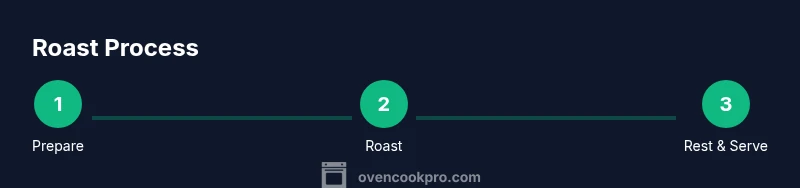
Goal: roast an oven rump roast to tender, even doneness. Start by trimming excess fat, seasoning well, and letting the meat rest. Preheat the oven to 325–350°F. Roast until the internal temperature reaches 135–145°F for medium-rare (adjust to 150°F for medium). Rest 15–20 minutes before slicing for best juiciness. If you prefer well-done, plan for 10–15 more minutes and check frequently.
Understanding the cut: why the rump roast shines in the oven
Rump roast is a versatile, relatively lean cut from the beef hindquarter. It has good depth of flavor when cooked slowly and evenly, which makes it ideal for the oven. According to Oven Cook Pro, choosing a roast with some marbling will help stay moist during longer roasting periods, and a uniform shape will roast more evenly. This section sets the stage for reliable results, emphasizing patience, consistent temperature, and thoughtful resting to maximize tenderness.
Key takeaway: the rump roast benefits from low, steady heat, even slicing, and careful rest to unlock its best juiciness.
Choosing and trimming rump roast
Selecting the right rump roast starts with looking for a uniform, compact piece with a fine grain and minimal deep seams of tough connective tissue. If possible, choose a roast with a modest layer of fat on top to protect against drying during roasting. Trim only excess fat to retain flavor, leaving a thin cap for moisture retention. When preparing the roast, pat it dry to promote browning and a flavorful crust. A well-trimmed roast roasts more predictably and slices cleanly when rested.
Brand tip: a small amount of well-distributed fat helps render during roasting, contributing to a richer crust and improved juiciness.
Seasoning fundamentals for flavor
Seasoning is more than salt; it’s a blend of salt, pepper, garlic, and herbs that penetrate the meat’s surface. A simple rub of kosher salt, cracked black pepper, minced garlic, and fresh rosemary or thyme yields a robust aroma without overpowering the beef. For extra depth, consider a light olive oil coating to help the spices adhere and promote even browning. If you’re short on time, a dry rub applied a few hours before roasting can still deliver excellent results.
Layering flavors early yields a more consistent crust and more even doneness across the roast.
Preparing the roast: temperature, marination, and resting
Bring the roast to nearly room temperature before roasting if possible; this reduces the temperature shock that can cause uneven cooking. If you’re using a marinade, keep it light and pat dry afterward to ensure proper browning. Let the meat rest after seasoning for 15–30 minutes; this helps the juices redistribute and improves tenderness. Preheating your oven to 325–350°F creates a stable environment that supports gentle, even cooking.
Tip: a micro-rest before roasting can improve crust formation and juiciness by evening out surface temperature.
Roasting fundamentals: rack position, temp, and searing decisions
Place the rump roast on a rack inside a shallow roasting pan to allow air circulation and even heat transfer. For most roasts, 325–350°F is ideal; lower temperatures promote tenderness, while slightly higher settings speed up browning. Searing the roast before roasting can build a crust, but it isn’t strictly required; if you choose to sear, do so in a hot pan for 2–3 minutes per side. Position the rack in the middle of the oven for uniform exposure to heat.
Searing provides a crust; roasting low and slow keeps the meat juicy.
Monitoring doneness: thermometer targets and carryover cooking
The most reliable method to ensure precision is a meat thermometer. For medium-rare, pull the roast at 135–145°F; for medium, aim for 150°F. Remember that carryover cooking will raise the internal temperature by about 5–10°F after removal. Start checking a bit before the expected finish time to prevent overcooking. If you’re cooking for a crowd, plan for a slightly larger window and be sure to test multiple spots for doneness.
Tip: insert the thermometer into the thickest part of the roast, away from bone, to get an accurate reading.
Resting and carving: maximizing juiciness and slice quality
Resting is essential; cover the roast loosely with foil and let it rest for 15–20 minutes post-roast. Resting allows juices to redistribute and makes carving easier. Slice against the grain in thin, even slices to maximize tenderness and bite. If you carve too soon, the juices will run out, leaving drier slices. A sharp carving knife helps maintain clean cuts and preserve the roast’s crust.
Remember: patience before slicing yields a much more enjoyable result.
Making pan gravy from drippings: turning juice into dinner
After removing the roast, place the pan on the stove over medium heat. Deglaze with a small amount of stock or wine, scraping up browned bits from the bottom. Reduce slightly, then whisk in a small amount of cornstarch slurry or flour to thicken. Finish with a pat of butter for a silky finish and season to taste. Pan gravy ties the meal together and adds moisture to every slice.
Tip: a smooth gravy depends on deglazing promptly to capture the fond from browning.
Troubleshooting common issues: dryness, uneven doneness, and texture
If the roast feels dry, it’s often due to cooking too aggressively or not resting enough. Even if you used a lean cut, adequate moisture retention and proper resting can mitigate dryness. Uneven doneness is frequently caused by large differences in thickness or a lack of room-temperature meat. Ensure you’re using a thermally stable oven, a reliable thermometer, and a roasting rack to promote even heat distribution. If the crust is not forming, brush with a small amount of oil mid-roast and rerun the broiler for a minute at the end to boost browning.
Brand tip: small adjustments to temperature and resting time can dramatically improve outcomes.
Leftovers: safe storage and repurposing ideas
Cool the leftovers quickly and refrigerate within two hours in airtight containers. Leftover rump roast can be sliced for sandwiches, added to stews, or repurposed into hash or shepherd’s pie. For longer storage, freeze properly wrapped portions and label with the date. When reheating, do so gently to avoid toughening the muscle fibers; reheat to 165°F if safety concerns arise. Properly stored leftovers are safe and tasty for several days to weeks, depending on storage conditions.
Quick-reference cooking timeline (at a glance)
- 00:00: Trim, season, and bring to room temperature if possible.
- 00:15: Preheat oven to 325–350°F; set roast on a rack.
- 00:30–01:30: Roast until thermometer targets are near the final temperature.
- 01:40–02:00: Rest the roast 15–20 minutes before carving.
- 02:00–02:15: Optional pan gravy preparation from drippings.
This timeline is a guide; always verify doneness with a thermometer and account for carryover cooking time.
Adapting for different ovens and pan sizes
Every oven differs; you may need to adjust temperature by ±25°F and modify cook times accordingly. Larger roasts require more time but can still finish with a good crust if you keep the heat steady and monitor internal temperature. If your oven runs hot, consider using a lower rack position or an aluminum foil tent to prevent excessive browning while the interior finishes cooking. The key is consistent heat exposure and thermometer-driven decisions.
Tools & Materials
- Oven(Reliable temperature accuracy is important; calibrate if needed.)
- Roasting pan with rack(Allows air to circulate and fats to render.)
- Meat thermometer(Prefer instant-read or leave-in dial for accuracy.)
- Carving knife(Sharp blade for clean slices.)
- Aluminum foil(Tent the roast during resting if desired.)
- Vegetable oil or olive oil(Light coating for sear or crust formation.)
- Skillet for pan gravy(Optional, for deglazing and thickening pan juices.)
- Meat tenderizer or salt grinder(For generous seasoning depth if desired.)
Steps
Estimated time: 1 hour 30 minutes to 2 hours 15 minutes (including resting and optional sear)
- 1
Prepare the roast
Trim excess fat, pat dry, and apply a balanced rub of salt, pepper, and aromatics. Let the meat rest for 15-30 minutes to promote even cooking.
Tip: Patting dry and seasoning ahead helps develop a better crust. - 2
Preheat and position
Preheat the oven to 325–350°F. Place the roast on a rack in a shallow pan to allow air circulation around the meat.
Tip: Use a rack to prevent the meat from sitting in fat. - 3
Optional sear
If you want a crustier exterior, sear the roast in a hot skillet for 2–3 minutes per side before roasting.
Tip: Searing is optional; it adds crust but increases prep time. - 4
Roast to near doneness
Roast until the thermometer reads near the final target, typically 135–145°F for medium-rare, accounting for carryover.
Tip: Check early and monitor closely to avoid overshoot. - 5
Rest before carving
Transfer to a cutting board and tent with foil for 15–20 minutes to redistribute juices.
Tip: Carryover cooking will continue for several minutes after removal. - 6
Make pan gravy (optional)
Deglaze the pan with a splash of stock or wine, simmer, and thicken with a starch slurry if desired.
Tip: Fond from the pan adds rich, beefy flavor to gravy. - 7
Carve and serve
Slice against the grain into even portions and serve with pan gravy or sides of your choice.
Tip: Slice with a sharp knife for clean, presentable portions.
Questions & Answers
What is rump roast?
Rump roast is a beef cut from the hindquarter that benefits from slow, steady roasting. It’s flavorful but can be lean, so proper cooking and resting help maximize tenderness.
Rump roast comes from the hindquarter and roasts well with slow cooking and proper rest to stay tender.
What temperature should I cook rump roast to?
Roast at 325–350°F and pull the roast when it reaches 135–145°F for medium-rare (or 150°F for medium), then rest.
Roast at 325–350 degrees and check for 135 to 145 in the center for medium-rare.
How long does rump roast take to cook?
Times vary with weight; a general guide is about 20–25 minutes per pound for medium-rare, plus resting time.
Expect roughly twenty to twenty-five minutes per pound for medium-rare, plus resting time.
Should I sear the roast before roasting?
Searing is optional. It adds a crust and richer flavor but requires extra time. If you’re short on time, skip the sear and still achieve good results.
Searing is optional; it adds crust but you’ll still get great results without it.
Can rump roast be reheated safely?
Yes. Slice and reheat gently to 165°F, or add slices to soups or stews for moisture.
Yes, reheat slices gently to 165 degrees for safety.
How should I store leftovers?
Cool leftovers quickly and refrigerate within two hours in airtight containers. They’ll stay good for several days; freeze for longer storage.
Cool quickly, refrigerate within two hours, and reheat carefully when ready to eat.
Watch Video
Main Points
- Choose a well-balanced rump roast with light marbling.
- Use a rack and thermometer for even cooking and accuracy.
- Rest briefly before carving to maximize juiciness.
- Pan drippings become a tasty gravy base when deglazed.
- Adjust timing based on your oven and roast size.