Oven for Roasting: A Comprehensive How-To Guide
Master oven roasting with a step-by-step guide covering preheating, rack placement, timing, doneness checks, resting, and safety. Ideal for vegetables, poultry, and beef, with expert tips from Oven Cook Pro.


You will learn how to use an oven for roasting: from selecting the right oven setup to preheating, rack placement, and monitoring internal temperatures. This guide covers best practices for roast vegetables, poultry, and beef, plus timing, resting, and safety tips. You’ll need a reliable oven, a digital thermometer, a sturdy roasting pan, and heat-safe gloves. Follow the steps to achieve evenly browned, juicy results every time.
What is the oven for roasting?
An oven for roasting is a heated chamber designed to cook food with dry, circulating air, creating browning and a flavorful crust while preserving interior moisture. For home cooks, this typically means using the conventional or convection setting to achieve even heat distribution. The Oven Cook Pro team emphasizes that a well-tuned oven—proper preheat, stable temperature, and accurate thermometer readings—delivers consistent results across proteins, vegetables, and starches. In practice, roasting optimizes texture, color, and depth of flavor, whether you’re cooking a whole turkey, a rack of ribs, or garlic-roasted potatoes.
Roasting vs. other methods: quick contrasts
Roasting relies on dry heat surrounding the food, which promotes browning through Maillard reactions. This differs from baking, which concentrates on internal structure and moisture retention, and broiling, which uses intense top-down heat. Convection ovens add a fan to circulate air, speeding cooking and improving evenness—great for large roasts and crispy exteriors. Understanding these distinctions helps you choose the right method for a given recipe or outcome.
Prep: preheating, rack placement, and pans
Preheating is essential for an immediate hot environment that starts browning on contact. Place a sturdy roasting pan on a rack to elevate meat or vegetables, enabling air flow around all sides. A metal rack is ideal for air circulation, while a dull, heavy pan conducts heat evenly and reduces hot spots. Optional: use a rimmed sheet pan for smaller roasts or vegetables and a shallow pan for collecting drippings to make stock or au jus. Always pat foods dry before roasting to maximize browning and reduce steaming.
Temperature and timing guidance for common roasts
Most roasts benefit from a hot start to brown the outside, then a consistent finish at a moderate temperature. Typical ranges (adjusted by meat type) help you approximate doneness while relying on a thermometer for accuracy. Vegetables generally roast best around 425–450°F for crisp edges. Poultry often roasts well at about 375–425°F, depending on size and whether skin-on or skin-off is preferred. Larger beef roasts may start high (to brown) and finish lower to avoid overcooking the exterior while the interior reaches target doneness. Always verify with an internal thermometer and allow for carryover cooking after removal from the oven.
Step-by-step overview for setup and roasting success
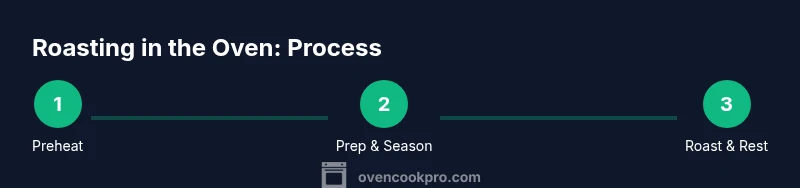
Understanding the flow of steps—from prep to resting—helps you execute reliably. You’ll learn how to season, position, monitor, and finish roasts, with practical tips for timing, airflow, and pan management. The goal is even browning on the outside with tender, juicy interiors, achieved through careful temperature control and observation of doneness signals.
Browning, moisture, and flavor: getting the most from your oven
To maximize browning, consider a higher initial heat, a convection setting if available, and avoiding overcrowding. Resting after roasting lets juices redistribute, enhancing juiciness and flavor. For moisture retention, avoid overloading the pan with water or liquid; instead, rely on the meat’s own juices or a small amount of stock to create a pan sauce. Seasonings can be simple (salt, pepper, olive oil) or complex (garlic, herbs, citrus zest) depending on the roast and your palate.
Safety, maintenance, and cleanup after roasting
Hot pans and steam demand caution—always wear heat-resistant gloves and use proper handling tools. Allow the oven and pan to cool before cleaning; follow manufacturer guidelines for metal racks and nonstick surfaces. Regularly inspect door seals and gaskets, and keep the oven interior clean to prevent smoke and unwanted flavors from lingering between roasts. A well-maintained oven reduces energy use and improves cooking consistency over time.
Tools & Materials
- Roasting pan with rack(Heavy-duty metal; elevated rack for air flow)
- Digital meat thermometer(Reads internal temperature; aim for target doneness)
- Oven-safe gloves(Heat-resistant, snug fit)
- Carving knife and cutting board(Sharp blade; stable surface)
- Tongs and carving fork(For handling and sectioning meat)
- Aluminum foil or parchment paper(Tent loosely if needed or line pans for easier cleanup)
- Thermometer for ambient oven temp(Stuck oven thermometer or probe for oven wall)
Steps
Estimated time: 60-120 minutes
- 1
Preheat and prep
Preheat the oven to the target roasting temperature. While it heats, pat the meat dry, trim excess fat, and bring to room temperature if time allows. This reduces surface moisture that can hinder browning and lead to uneven cooking.
Tip: Starting with dry surface yields better crust formation. - 2
Season the roast
Season generously with salt, pepper, and any aromatics you choose (garlic, herbs, citrus zest). A light coat of oil helps transfer heat and promote browning.
Tip: Season at least 15 minutes before roasting for better flavor adherence. - 3
Position on rack
Place the roast on the rack in the roasting pan so air can circulate around all sides. For vegetables, spread pieces in a single layer without crowding.
Tip: Crowding creates steam and diminishes browning. - 4
Roast and monitor
Roast with the door closed, checking internal temperature with a thermometer as it nears the target. Rotate the pan halfway if your oven has hot spots for even browning.
Tip: Avoid opening the door too often; it wastes heat and extends cooking time. - 5
Finish and rest
Once the target internal temp is reached, remove from oven and tent loosely with foil for 10–15 minutes. Resting allows juices to redistribute for juicier slices.
Tip: Resting is as important as cooking for texture. - 6
Optional browning step
If you want a crisper crust, return the roast to the oven or switch to a high-heat finish for 3–5 minutes, watching closely to prevent burning.
Tip: Watch closely during finishing for perfect color. - 7
Carve and serve
Carve along the grain and serve with pan drippings or a simple sauce. Slice against the grain for tenderness and present on a warm platter.
Tip: Sweat the pan drippings to finish a quick jus. - 8
Store leftovers safely
Cool within two hours, then refrigerate in airtight containers. Reheat gently in the oven to preserve texture.
Tip: Label leftovers with date for food safety.
Questions & Answers
What temperature should I roast at for best results?
Roasting temperatures vary by food type. Vegetables often benefit from 425–450°F, poultry from 375–425°F, and beef roasts may start high to brown and finish lower. Always rely on a thermometer for doneness and adjust based on size and your oven.
Roasting temperatures depend on what you’re cooking; use a thermometer to guide doneness for vegetables, poultry, and beef.
Is foil necessary when roasting?
Foil can be used to tent a roast during resting or to catch drippings for sauce, but it isn’t required for browning. Leaving the roast uncovered promotes crisp skin or a dry, browned exterior.
Foil isn’t mandatory; it’s useful for resting or catching drippings, but uncovered roasting helps browning.
Can I roast vegetables with meat at the same time?
Yes, you can roast vegetables alongside meat if you choose compatible temperatures and sizes. Space vegetables evenly for air flow; place smaller pieces closer to the heat source and larger pieces further away as needed.
You can roast veggies with meat; just keep spacing and temperature in mind, and monitor times to avoid undercooking.
How do I know when the roast is done?
Rely on an internal thermometer for precision. Target temps vary by roast type: poultry should reach 165°F, beef roasts depend on doneness level, and vegetables are done when tender. Resting after removal is essential for juiciness.
Check internal temperature with a thermometer and rest the meat before slicing.
How should I store and reheat leftovers?
Cool leftovers within two hours and refrigerate in airtight containers. Reheat in a preheated oven around 325–350°F until hot throughout, to preserve texture and flavor.
Cool promptly, store sealed, and reheat in a warm oven for best texture.
Watch Video
Main Points
- Preheat thoroughly to ensure browning.
- Use a thermometer for precise doneness.
- Rest meat to redistribute juices.
- Avoid overcrowding to prevent steaming.
- Choose proper rack height for airflow.