How to Oven Cook Chicken Breast
Learn the proven method to oven bake chicken breast for juicy, safe, and evenly cooked results. This guide covers prep, temps, timing, and flavor variations with expert tips from Oven Cook Pro.


With this guide you will learn how to oven cook chicken breast to juicy, safe doneness. You’ll preheat, season, and bake a boneless breast to an internal temperature of 165°F, then rest before serving. This approach works for plain, seasoned, or lightly marinated chicken, yielding even color and moisture.
Why Oven-Cooking Chicken Breast Delivers Juicier Results
If you’re wondering how to oven cook chicken breast to consistent, juicy results, you’re in the right place. This method leverages gentle, even heat to preserve moisture while browning the exterior. The Oven Cook Pro team emphasizes starting with even thickness and a little resting time to lock in juices. When you bake boneless, skinless chicken, you can achieve tender texture without turning to heavy sauces. In this section, you’ll learn why this approach yields reliable results, compare it to pan-frying, and lay out the essential steps that set the foundation for success, including preheating, seasoning, and careful timing. With the right setup, you’ll see uniform color from edge to center and less variability between thicker and thinner portions. The technique scales from simple weekday dinners to flavors inspired by garlic, lemon, and herbs, making it a versatile base for your kitchen repertoire.
Key takeaway: mastering oven cooking for chicken breast reduces guesswork and improves repeatable results, especially when you prioritize temperature control and resting time.
Selecting the Right Chicken and Preparing for the Oven
Choosing the right chicken breast is the first step to a reliable result. Look for boneless, skinless pieces that are uniform in thickness to ensure even cooking. If your breasts vary in size, consider portioning larger pieces so that all portions reach the target internal temperature together. Before you cook, pat the surface dry with paper towels to remove surface moisture that can hinder browning. Season generously on all sides; a light coat of oil helps the seasoning adhere and promotes an appealing crust. If you’re new to this method, start with simple salt, pepper, and a touch of garlic powder. For extra flavor, you can add lemon zest, paprika, or dried herbs—but keep the surface even to avoid uneven browning. The goal is moisture retention and a stable cooking rate rather than heavy marinades that can slow down heat transfer.
Temperature, Time, and Doneness: The Guidelines
A reliable rule of thumb for boneless chicken breast is to bake at 165°F (74°C) internal temperature for safe consumption, with the oven set to about 375°F (190°C). If you’re working with thicker pieces (nearly 1 inch or more), you may need 22–28 minutes; thinner fillets finish faster. After removing from the oven, rest the meat for 5–10 minutes; this allows juices to redistribute and prevents them from running out when you cut. For cooks who prefer a little more browning, a brief 1–2 minute broil or an extra 60–90 seconds at the end can create an attractive crust while keeping the interior juicy. If you’re unsure about doneness, rely on an instant-read thermometer aimed at the thickest part—avoid touching bone or pan juices, which can skew readings. Remember, carryover cooking will continue a few degrees after removal from heat, so plan accordingly.
Prepping the Surface: Seasoning, Oil, and Aromatics
Seasoning is more than salt; it’s about building a flavor foundation that sticks to the surface and penetrates the meat lightly during cooking. Begin with a light coat of high-smoke-point oil, such as canola or avocado oil, to promote browning. Salt the chicken generously, using about 0.5–1 teaspoon per pound depending on taste, and finish with pepper, garlic powder, and any aromatics you enjoy, like thyme, paprika, or lemon zest. If you want fast flavor without a marinade, consider a light rub of olive oil and herbs, then let it sit for 10–15 minutes to help the seasonings adhere. Avoid heavy marinades with sugar, which can burn at higher oven temperatures; if you do marinate, ensure the piece is dry before cooking for crispier browning. You’ll achieve a flavor-forward crust that complements the moist interior.
Note: Uniform seasoning is key—distribute evenly to prevent dry patches where heat concentrates.
The Preheat and Pan Setup: Why It Matters
Preheating the oven ensures stable heat from the moment the chicken hits the surface. Set your oven to 375°F (190°C) and line a baking sheet with parchment paper or a silicone mat to prevent sticking and make cleanup easier. A shallow sheet pan helps promote a consistent recovery of heat during baking, reducing hot spots that can overcook thinner edges. If you’re cooking multiple pieces, give them a little space (about 0.5 inch apart) so air can circulate and promote even browning. A light spray of nonstick oil on the parchment improves browning and makes flipping unnecessary. For extra moisture retention, you can place a rack under the chicken so the air circulates underneath, or simply use a flat sheet with the chicken resting on parchment.
Tip: For thicker breasts, consider pounding to a uniform thickness (about 3/4 inch) to guarantee even cooking and reduce the risk of dry edges.
A Step-by-Step Narrative: From Raw to Rested
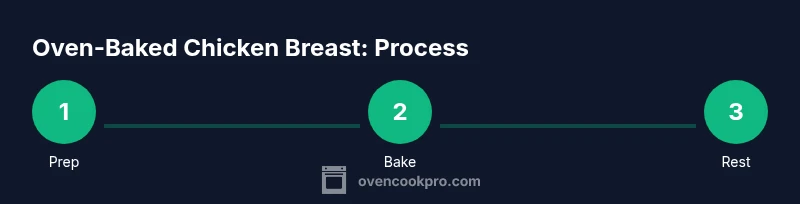
Here is a practical narrative to guide you from start to finish, aligning with how to oven cook chicken breast in real kitchen conditions. Preheat the oven to 375°F (190°C). While it warms, pat the chicken dry and apply a light coat of oil. Evenly season both sides with salt, pepper, and optional garlic powder or paprika. Place each piece on the prepared sheet, keeping space between them. Bake for 18–22 minutes, checking internal temperature with an instant-read thermometer at the thickest part. Rest the chicken for 5–10 minutes before slicing to allow juices to redistribute. If using thinner cutlets, the timing will drop to 12–16 minutes with careful monitoring. Slice against the grain for tender portions and serve with a quick pan sauce or fresh herbs for brightness.
Bonus technique: For a more golden crust, broil on high for 1–2 minutes at the end, watching closely to prevent burning.
Common Mistakes and How to Avoid Them
Dry chicken breast is usually the result of overcooking or cooking at too high a heat for too long. To avoid this, use a thermometer rather than relying on time alone. Undercooked chicken is a food-safety risk, so always confirm 165°F (74°C) at the thickest part. Another mistake is not letting the meat rest; resting preserves juiciness. Finally, avoid overcrowding the pan, which traps steam and steams rather than browns. If you’re cooking several pieces, bake in batches or use a two-tier rack setup with a sturdy convection option. By planning ahead and performing a quick thermal check, you’ll consistently achieve moist, flavorful results.
Flavor Variations and Quick Sauces for Oven-Baked Chicken
The basic technique can be a canvas for a wide range of flavors. Try a lemon-garlic variation by adding lemon zest and minced garlic to the oil before applying the rub. A simple herb blend—oregano, thyme, and parsley—adds aromatic notes that pair well with roasted vegetables. For a more indulgent option, brush with a light butter–herb sauce during the last five minutes of cooking, then rest before serving. A touch of smoked paprika or chili powder introduces a subtle warmth that complements a garlic-lemon finish. If you want a complete glaze, whisk Dijon mustard with honey and a splash of white wine, then brush on during the final minutes of bake for a glossy, flavorful crust.
Food Safety, Storing, and Reheating Best Practices
Cooked chicken breast should be cooled quickly to minimize bacterial growth, ideally within two hours after cooking. Store leftovers in shallow containers in the refrigerator for up to four days, or freeze for longer storage. When reheating, aim for an internal temperature of 165°F (74°C) again and reheat evenly to prevent drying. Slice or chop before freezing to enable faster and more uniform reheating. For best quality, reheat gently in the oven at a low temperature (around 300°F / 150°C) or in a covered dish with a splash of broth to retain moisture. Always practice clean-handling and wash surfaces that contact raw chicken to avoid cross-contamination.
Authority and Additional Reading
For authoritative guidance on safe cooking, handling, and storage, refer to government and university resources. These sources provide validated information on temperatures, safe preparation, and best practices for poultry.
Tools & Materials
- Oven(Preheat to 375°F (190°C).)
- Baking sheet or tray(Line with parchment paper or silicone mat.)
- Parchment paper or silicone mat(Prevent sticking and simplify cleanup.)
- Instant-read meat thermometer(Target 165°F (74°C) at the thickest part.)
- Tongs or spatula(Handle without piercing the meat.)
- Paper towels(Pat dry moisture for better browning.)
- Oil (high smoke point)(Light coat to promote browning.)
- Seasoning basics (salt, pepper)(Evenly season both sides.)
- Optional aromatics (garlic powder, paprika, lemon zest, herbs)(Adds flavor without changing cook time.)
- Plastic wrap or a mallet for pounding(Use to even thickness if needed.)
Steps
Estimated time: 25-45 minutes total, depending on thickness and oven performance
- 1
Preheat and prep
Preheat the oven to 375°F (190°C) while you pat the chicken dry and check for uniform pieces. A dry surface helps browning and ensures even heat transfer.
Tip: Dry surfaces promote a better crust; avoid leaving moisture on the meat. - 2
Even thickness
If needed, pound the chicken to about 3/4 inch (2 cm) thickness for uniform cooking. Use plastic wrap to minimize mess and damage to the meat’s surface.
Tip: Uniform thickness prevents some pieces from drying out while others are underdone. - 3
Season and oil
Brush or drizzle a light coat of oil, then season both sides with salt, pepper, and optional aromatics. This yields a flavorful crust and stable moisture inside.
Tip: Even seasoning helps browning across the entire surface. - 4
Arrange on sheet
Place the breasts on a parchment-lined baking sheet with space between pieces. This allows air to circulate and promote even browning.
Tip: Avoid crowding; air needs to reach all surfaces for consistent cooking. - 5
Bake to temp
Bake in the preheated oven until the thickest part reads 165°F (74°C) on an instant-read thermometer, typically 18–22 minutes for standard portions.
Tip: Don’t rely solely on time—use a thermometer for accuracy. - 6
Rest before slicing
Let the chicken rest for 5–10 minutes after removing from the oven. Resting lets juices redistribute and improves sliceability.
Tip: Rest inside a clean cutting board or plate; tent loosely with foil if desired. - 7
Optional finishing
If you want extra browning, broil for 1–2 minutes at the end, watching closely to avoid burning.
Tip: Keep a close eye during broiling; heat can shift quickly.
Questions & Answers
What is the best oven temperature for chicken breast?
A reliable default is 375°F (190°C) for boneless, skinless chicken breasts. If pieces are very thick, you may extend cooking time slightly; use a thermometer to verify doneness at 165°F (74°C).
Set the oven to 375 degrees and check the thickest part with a thermometer to reach 165 degrees for safe, juicy chicken.
How long does it take to bake chicken breast at 375°F?
Typically 18–22 minutes for standard 1-inch-thick portions. Thicker pieces may need a few more minutes. Always confirm with an instant-read thermometer at 165°F (74°C).
Most pieces finish in under 25 minutes; verify doneness with a thermometer at 165 degrees.
Can I bake frozen chicken breast?
Yes, but expect longer cooking times and possibly less even browning. It’s best to thaw for more predictable results. If baking from frozen, add roughly 50% more time and monitor with a thermometer.
You can bake from frozen, but thawing gives better control and results; plan extra time if starting frozen.
Should I brine chicken before baking?
Brining can increase moisture, but it’s not required. If you do brine, rinse and pat dry before cooking to ensure crisp browning. A light salt rub also helps with moisture balance.
Brining isn’t essential, but it can help moisture; rinse well and pat dry before cooking.
How can I tell when chicken is done without a thermometer?
Check that the juices run clear and the center is opaque with no pink in the thickest part. However, a thermometer provides the most reliable check and should be your primary tool.
Look for clear juices and no pink, but use a thermometer for accuracy.
How can I prevent chicken from drying out in the oven?
Avoid overcooking by hitting 165°F and resting the meat. Use gentle pan heat, pat dry before seasoning, and consider a light glaze or sauce that keeps moisture present during reheating.
Don’t overcook and rest the meat; a light glaze can help keep moisture.
Can I use bone-in chicken breasts in this method?
Bone-in cuts require longer cooking and a higher final internal temp closer to 170°F (77°C). For even results, use boneless breasts or adjust time and temperature accordingly.
Bone-in takes longer; consider boneless for consistency or adjust timing carefully.
What should I serve with baked chicken breast for a balanced meal?
Pair with roasted vegetables, a grain like quinoa or rice, and a bright sauce or squeeze of lemon. Keeping portions balanced helps maintain overall meal moisture and flavor.
Great with vegetables and grains; finish with a lemony or herb sauce for brightness.
Watch Video
Main Points
- Preheat and prepare for even cooking.
- Aim for uniform thickness for consistent doneness.
- Use a thermometer to hit 165°F safely.
- Rest before slicing to preserve moisture.