How to Make Prime Rib in the Oven
Master prime rib in the oven with a crusty exterior and tender, juicy center. Our expert guide covers selection, seasoning, searing, roasting temps, resting, carving, and serving for a perfect centerpiece.


With the right technique, you’ll reliably roast prime rib in the oven that’s crusty on the outside and juicy inside. Start with a well-marbled roast, a hot sear, and a controlled finish at a lower oven temperature. Use a meat thermometer to hit your target doneness, then rest 20–30 minutes before carving. This method minimizes splatter and uneven cooking.
Overview of Roasting Prime Rib
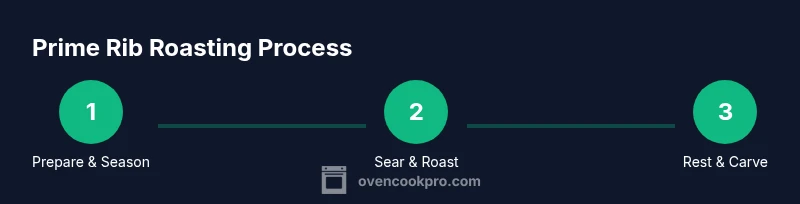
Prime rib, also known as a standing rib roast, is prized for its marbling and rich flavor. When you cook it in the oven, the goal is a deeply browned crust with a juicy, rosy center. The key is temperature control and moisture management: a quick initial sear helps build crust, followed by a gentler finish so the interior cooks evenly. For the home cook, the classic approach is a two-stage process: high heat to sear, then low-and-slow roasting to target doneness. This method, commonly used by home kitchens and refined by professionals, yields consistent results when you monitor internal temperature rather than relying on time alone. According to Oven Cook Pro, mastery of prime rib centers on balancing heat, resting, and carving technique to maximize juiciness and flavor.
In this guide we’ll walk through selecting the right roast, preparing it, executing the sear-and-roast method, and carving with precision. You’ll learn how to tailor the process to your preferred doneness—rare, medium-rare, or medium—and how to keep the meat tender through proper resting. Whether you’re cooking for a holiday feast or a weekend dinner, this approach helps you achieve impressive results with confidence.
Choosing the Right Roast
Choosing the right roast sets the foundation for success. Look for a bone-in rib roast if possible; the bones aid heat conduction and contribute to a rich, even cook. marbling is your friend here—the intramuscular fat melts during roasting and keeps the meat succulent. Determine size by your guest count plus generous slices; a common range for a family meal is two to three people per rib section. If you opt for a boneless roast, plan for slightly faster cooking and ensure even thickness by tying with kitchen twine. For prime rib, a roast around 4–6 pounds serves 6–8 people comfortably, with leftovers ideal for sandwiches or hashes. Always buy fresh or thaw fully if frozen, and check for a bright red color with a clean surface free of excess moisture. Remember, the quality of the roast influences every step that follows, so choose wisely.
Equipment and Pantry Essentials
Today’s prime rib setup relies on a few reliable tools and staples. A roasting pan with a sturdy rack ensures air can circulate under the meat and even heat reaches all sides. A reliable meat thermometer (instant-read or a probe that stays in the roast) lets you monitor doneness without guessing. A sharp carving knife or slicer, a clean cutting board, aluminum foil for tenting, and a reliable timer are essential. For seasoning, coarse salt, freshly ground black pepper, and optional aromatics like garlic, rosemary, or thyme offer flavor depth without overpowering the beef’s natural character. Having these items ready before you begin helps streamline the process and reduces the risk of overcooking.
If you’re new to roasting prime rib, set aside about 2–3 hours from start to finish, including resting time. This schedule accounts for a sear, a longer roast phase, and the first slice after resting. The exact timing depends on roast size, oven performance, and your target doneness, so rely on a thermometer for the final call rather than a clock alone.
Preparing the Roast: Trimming, Dry Brine, and Tempering
Proper preparation begins with dry surface drying. Pat the roast dry with paper towels to ensure the seasonings adhere and crust forms nicely. Trim any excess fat if the cap is unusually thick, leaving a uniform layer for flavor. A dry-brine step—salt generously and let the beef sit uncovered in the fridge for 1–24 hours—improves juiciness and flavor by drawing out surface moisture and reabsorbing it. Bring the roast closer to room temperature before cooking, typically 1–2 hours, to promote even cooking. Just before roasting, apply a light coating of olive oil and rub with salt, pepper, and optional garlic or herbs for aromatic depth. This stage sets up the crust and ensures the meat cooks evenly from edge to center.
For best results, avoid rinsing off the brine; instead, pat excess moisture away so the seasoning adheres and browns properly.
The Roasting Process: Sear, Then Finish at Low Temperature
The roasting phase unfolds in two stages. Start with a high-heat blast to develop a robust crust—this helps lock in juices and creates a dramatic exterior. After the initial sear (about 15–20 minutes depending on roast size), reduce the oven to a moderate or low temperature, commonly around 325°F (163°C). Continue roasting until the internal temperature reaches your preferred doneness: about 120–125°F for rare, 130–135°F for medium-rare, or 135–145°F for medium. Remember, carryover cooking will raise the temperature by about 5–10°F after removal from the oven, so plan accordingly. Use the thermometer as your guide; do not rely on time alone, as oven performance varies. If you want extra crust, a brief finish under the broiler can be used carefully for 1–2 minutes, watching constantly to prevent burning. Resting remains essential to allow juices to redistribute and the meat to finish its gentle cooking.
Oven Cook Pro emphasizes the importance of consistent heat and thermometer-based doneness for prime rib when cooking in the oven. This approach prevents the common pitfall of an underdone center or an overly dry edge and yields a more forgiving, restaurant-quality result.
Resting, Carving, and Serving
Resting is the final, crucial step in preserving juiciness. Tent the roast loosely with aluminum foil and let it rest for 20–30 minutes. This pause lets juices redistribute and the temperature stabilize, making carving much easier and yields cleaner slices. Slice against the grain in thin, even cuts to maximize tenderness, starting with the center portion and then working outward to capture the best textures. If serving with a pan sauce, deglaze the roasting pan with a splash of wine or stock, scraping up browned bits to build a rich accompaniment that complements the beef’s richness. Present the slices on a warmed platter and offer horseradish, au jus, or a simple bearing of roasted vegetables to complete the spectacle. A successful prime rib roasts as the centerpiece and stays tender when carved at the correct thickness and temperature.
Common Mistakes and How to Avoid Them
A few recurring errors can derail even an otherwise solid roast. Not bringing the meat to room temperature leads to a cold center and uneven cooking. Over-seasoning or over-salting can overpower the beef’s natural flavor. Opening the oven door during the roast disrupts even cooking and can cause temperature swings. Relying on time alone rather than a thermometer leads to under- or over-cooked meat. Finally, skipping the rest step results in juice loss and a drier slice. By focusing on temperature-driven timing and a proper rest, you avoid these common missteps and consistently achieve prime rib that shines at the table.
Flavor Variations and Serving Ideas
If you want to tailor flavor without obscuring the meat’s essence, experiment with different herb rubs or dry brines. A garlic- and rosemary-based seasoning complements the beef’s natural profile, while a coffee- or pepper-crust can add a subtle, unexpected kick. Pair with classic sides like creamy mashed potatoes, roasted garlic potatoes, green beans almondine, and a rich jus or red wine reduction. For a more festive look, finish with a light brush of herb butter just before serving. If you’re preparing for a crowd, you can roast a larger roast and keep slices warm in a low oven as guests arrive. The result should be a centerpiece that looks as impressive as it tastes.
Troubleshooting and Quick Reference
If the crust isn’t as dark as you’d like, you can give the roast a quick, careful blast under high heat for a couple of minutes, watching closely to avoid scorching. If the center seems undercooked, allow a longer resting period or finish with a brief return to a warm oven, always measuring with a thermometer. If you’re cooking for a small household, consider cutting the roast into smaller portions to speed up cooking time and ensure even heat transfer. Remember, use a thermometer for accuracy and rest before carving to maximize juiciness.
Tools & Materials
- Bone-in prime rib roast (4-6 pounds)(Bone-in recommended for flavor and even heat; boneless works but may cook faster)
- Roasting pan with rack(Rack elevates meat for even heat circulation)
- Meat thermometer (instant-read or probe)(Critical for accurate doneness without overcooking)
- Aluminum foil(For tenting during resting)
- Sharp carving knife(For clean, even slices)
- Cutting board(Wide surface to accommodate the roast and slices)
- Kitchen twine (optional)(If roast is tied, helps maintain shape during roasting)
- Towel or pan protector(Protect hands when handling hot pans)
Steps
Estimated time: Total time: 2-3 hours
- 1
Prepare roast and bring to room temperature
Remove from fridge 1–2 hours before cooking. Pat dry, trim excess fat if needed, and tie with kitchen twine for even cooking. This step helps ensure uniform doneness from edge to center and improves crust formation.
Tip: Dry surface and even thickness promote a better crust; avoid leaving moist surfaces. - 2
Season and dry-brine
Pat roast dry again, rub with olive oil, then season generously with salt and pepper. If time allows, season 24 hours ahead for better flavor absorption, then pat off excess moisture before roasting.
Tip: A light dry-brine enhances juiciness without diluting flavor. - 3
Sear the roast to form crust
Roast at high heat for 15–20 minutes to develop a deep crust. You can also sear on the stovetop in a hot pan before transferring to the oven. A good crust adds texture and flavor.
Tip: Watch closely; you want rich brown color, not burnt edges. - 4
Finish roasting at low temperature
Reduce oven to about 325°F (163°C) and continue roasting until the thermometer reaches the target doneness (rare 120–125°F, medium-rare 130–135°F, medium 135–145°F). Anticipate carryover cooking of 5–10°F after removal.
Tip: Use thermometer to guide decisions—time alone isn’t reliable. - 5
Rest the roast
Remove from oven and tent with foil for 20–30 minutes. Resting lets juices redistribute and finishes cooking gently, yielding slices that stay moist.
Tip: Don’t skip resting; it makes carving easier and juicier. - 6
Carve and serve
Slice against the grain into even portions. Serve with au jus, horseradish, or preferred sides. Arrange slices on a warmed platter for an appealing presentation.
Tip: Slice thickness should be even to ensure consistent texture in every bite.
Questions & Answers
What is the best internal temperature for prime rib?
Aim for 120–125°F for rare, 130–135°F for medium-rare, or 135–145°F for medium. Remember carryover heat will raise the final temp by a few degrees after resting.
Aim for rare to medium-rare based on your preference; rest will finish the job.
Bone-in vs boneless prime rib: which is better?
Bone-in roasts offer more flavor and forgiving cooking due to bone heat distribution. Boneless roasts cook a bit faster but can still deliver excellent results with careful timing and a thermometer.
Bone-in generally yields more flavor, but boneless can work with careful timing.
Should I bring the roast to room temperature before cooking?
Yes. Bringing the roast to room temperature for about 1–2 hours helps ensure even cooking and reduces the risk of a cold center.
Allow the roast to sit at room temperature for an hour or two before roasting.
How long do I rest prime rib after cooking?
Rest for 20–30 minutes to let juices redistribute; this improves slicing and juiciness.
Rest the roast for 20 to 30 minutes before carving.
Can I cook prime rib ahead of time and reheat?
You can cook and refrigerate, then reheat gently to 120–125°F. Reheating should be done slowly to maintain juiciness.
Yes, you can cook ahead and reheat slowly to preserve juiciness.
What sides pair well with prime rib?
Classic options include garlic mashed potatoes, roasted vegetables, and a red-wine pan jus. Fresh horseradish adds a sharp contrast to the rich beef.
Potatoes, vegetables, and a pan jus are great complements.
Is a crusty crust essential for prime rib?
A crust is desirable for texture and flavor, achieved by the initial high-heat sear or rapid roasting. It should not overshadow the beef’s natural flavor.
A crisp crust enhances flavor and texture without masking the beef.
Watch Video
Main Points
- Choose a well-marbled roast for flavor and moisture.
- Sear the exterior, then finish low and slow for even doneness.
- Monitor temperature with a reliable thermometer.
- Rest before carving to maximize juiciness.