How to Treat Oven Burn on Finger: A Complete Guide
Learn safe, step-by-step first aid for oven finger burns, when to seek care, and daily care tips to promote healing and prevent complications.


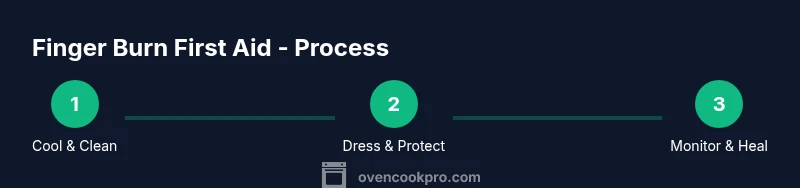
You can treat an oven burn on the finger at home by cooling, cleaning, and protecting the injury, then monitoring for signs of infection. Start with cool running water for 10-20 minutes, remove jewelry, and avoid popping blisters. Apply a sterile dressing and an appropriate burn ointment if available. If pain or redness worsens, seek medical advice promptly.
Understanding how to treat oven burn on finger
According to Oven Cook Pro, how to treat oven burn on finger begins with a calm assessment and prompt, evidence-based care. Burns range from simple redness to deeper tissue damage, but most finger injuries from home ovens are minor if treated quickly and correctly. Understanding the different burn depths helps you choose the right first-aid steps and avoid unnecessary delays. Always start with safety: ensure the oven is off and hands are clear of heat sources before you touch the affected finger. Recognize that even small-surface burns can become uncomfortable if left untreated, and early, gentle care reduces pain and healing time. By following a structured approach, you protect the skin, minimize blistering, and set the stage for faster recovery. This guide emphasizes practical actions you can perform at home while knowing when professional care is needed.
Immediate First Aid: Cooling the Burn
The most important initial step in how to treat oven burn on finger is rapid cooling. Hold the affected finger under cool running water for 10-20 minutes, or until the pain subsides. Do not use ice, as extreme cold can worsen tissue damage. After cooling, gently pat dry with a clean towel and inspect the burn for blisters or deep redness. Avoid applying butter, toothpaste, or other home remedies; these can trap heat or introduce bacteria. Cooling reduces swelling, pain, and the extent of tissue injury, and sets up the next stages of care.
Cleaning the Area and Dressing the Burn
Once cooled, clean the surrounding skin with mild soap and running water. Do not rub or scrub the burned area. Gently pat the skin dry with a clean cloth, then apply a thin layer of antibiotic ointment only if you have no allergies and have approval from a clinician; otherwise, skip to sterile dressings. Cover the burn with a nonstick, sterile dressing to protect against infection and friction from clothing. Change the dressing daily or whenever it becomes wet or dirty. Proper cleaning and protection reduce the risk of infection and blister rupture.
Pain Management and When to Use Medications
Pain from finger burns can range from mild to moderate. For most minor burns, over-the-counter pain relievers such as acetaminophen or ibuprofen can help, following the label directions and considering any medical conditions you have. Avoid aspirin for children or teens with viral illnesses. Elevating the hand can reduce swelling and pain. If you have a history of ulcers or kidney problems, consult a clinician before taking NSAIDs. Pain management supports rest and healing, and can prevent nighttime disruption that complicates recovery.
When to Seek Medical Attention for Oven Burns
If the burn covers a large portion of the finger, involves the joint, or is very deep, seek medical care promptly. Signs of infection such as increasing redness, warmth, swelling, pus, or fever require professional assessment. Blistered areas should not burst on their own if possible; if a large blister ruptures, clean gently and apply a sterile dressing. If you cannot control pain with OTC medications, or if the burn does not improve after a few days, consult a clinician for an in-person evaluation and possible wound care.
Dressing and Ointments: Choosing the Right Protection
Choosing the right dressing supports healing by keeping the wound clean and protected. For minor burns, nonstick sterile dressings keep the surface intact without sticking to the wound. If a clinician recommends, apply a thin layer of ointment to maintain moisture, then cover with a sterile dressing. Avoid occlusive dressings that trap heat or moisture excessively. Dressing changes should be done gently and with clean hands to minimize material entering the wound.
Common Mistakes to Avoid When Treating Finger Burns
Avoid common pitfalls such as using ice directly, applying home remedies like butter, toothpaste, or egg whites, or reopening the blister. Resist delaying care and avoid exposing the burn to heat or friction for the first few days. Do not remove clothing or jewelry from a swollen finger if it might cut circulation. By steering clear of these errors, you minimize additional tissue damage and support a smoother recovery.
Daily Care Routine: Dressing Changes and Monitoring
Create a simple routine for the first week: wash hands, inspect the burn, gently dry, reapply any recommended ointment, and replace the dressing daily. Watch for changes such as increasing redness, warmth, or swelling. If the area feels numb or stiff after a few days, or if you notice overwhelmed symptoms, seek medical advice. Consistent, careful care accelerates healing and reduces complications.
Real-Life Scenarios and How to Respond
Consider practical situations: a burnt fingertip after removing a tray from a hot oven requires immediate cooling and careful dressing; if a blister forms, leave it intact and seek guidance if it enlarges. For a child with a burn, reassure them, apply gentle care, and monitor for fever or escalating pain. In a busy kitchen, having a small first aid kit with sterile dressings and nonstick pads makes this process faster and safer.
How Oven Cook Pro Recommends Monitoring Healing
Oven Cook Pro emphasizes practical, evidence-based steps for monitoring burn healing. Regular dressing changes and careful observation for signs of infection help ensure a smooth recovery trajectory. If healing stalls or symptoms worsen, a professional evaluation is advised to prevent complications and ensure proper wound care. These guidelines aim to empower home cooks with reliable, safe procedures.
Authority Sources and Additional Reading
For further reliable information on burn first aid, consult established health resources. Reliable sources include government and medical publications that provide general guidance on burn care and wound healing. Always verify any advice with a clinician if you have concerns about a burn.
Tools & Materials
- Cool running water(Flush the affected finger for 10-20 minutes if possible)
- Mild soap(Gently cleanse around the burn; avoid scrubbing)
- Sterile nonstick dressings(Prefer hypoallergenic materials)
- Sterile gauze or bandages(For padding and securing dressings)
- Antibiotic ointment (optional)(Only if advised by a clinician; sensitive skin may react)
- Over-the-counter pain reliever(Acetaminophen or ibuprofen; follow dosing on label)
Steps
Estimated time: 30-45 minutes
- 1
Stop exposure to heat and assess
Immediately remove any heat source and examine the finger for depth, blistering, and skin color. Quick assessment helps determine if the burn is minor or requires professional care. If the skin looks pale or white, seek medical guidance promptly.
Tip: Do not force skin back or peel blisters; gentle handling reduces damage. - 2
Cool the burn under running water
Hold the finger under cool, running water for 10-20 minutes. This reduces pain and swelling by cooling tissue. Do not use ice or icy water, which can worsen tissue injury.
Tip: If water isn’t available, use a clean, cool compress wrapped in a cloth for 10-15 minutes. - 3
Gently clean around the burn
Wash the area with mild soap and water; avoid rubbing the burn itself. Pat dry with a clean towel and inspect for blister formation. Keeping the area clean minimizes infection risk.
Tip: Wash your hands before touching the burn to prevent contamination. - 4
Protect with dressing
Apply a thin layer of antibiotic ointment if advised, then cover with a sterile nonstick dressing. Secure with sterile gauze or a simple bandage to protect from friction and dirt.
Tip: Change the dressing daily or when wet to maintain a clean wound environment. - 5
Manage pain and swelling
Take an OTC pain reliever if needed, following the label and any medical restrictions. Elevate the finger to reduce swelling when resting. Avoid tobacco or alcohol if advised by your clinician.
Tip: Avoid NSAIDs if you have stomach ulcers or kidney issues; check with a healthcare provider. - 6
Monitor healing and signs of infection
Check for increasing redness, warmth, oozing, or fever over the next several days. If symptoms appear or worsen, seek medical advice promptly.
Tip: Document changes with dates to track healing progress. - 7
Return to normal activity with care
As the finger heals, reintroduce gentle use gradually to prevent stiffness while protecting the wound. Stop activities that worsen the burn, such as grabbing hot items with bare fingers.
Tip: Continue gentle finger movements to prevent stiffness and aid recovery.
Questions & Answers
What should I do first when I burn my finger on the oven?
Start cooling with cool running water for 10-20 minutes, then clean gently and cover with a sterile dressing. Avoid home remedies that could irritate the wound.
First, run cool water over the burned finger for 10 to 20 minutes, then clean gently and cover with a sterile dressing.
Can I use ice or a home remedy on a finger burn?
Do not apply ice directly to a burn; it can worsen tissue damage. Avoid butter, toothpaste, or egg white. Use cool water and sterile dressings instead.
Avoid ice directly on the burn and skip home remedies; use cool water and sterile dressings.
When should I see a doctor for an oven burn?
Seek medical care if the burn is large, deep, painful beyond a few days, or shows signs of infection like increasing redness, warmth, or pus.
See a doctor if the burn is large or deep, or if signs of infection appear.
Is it safe to pop blisters from an oven burn?
No, try not to pop blisters. They protect the underlying tissue. If a blister bursts on its own, clean gently and cover with a sterile dressing.
Don’t pop blisters; if one bursts, clean it and cover with a dressing.
What daily care helps a minor finger burn heal?
Keep it clean, apply any recommended ointment, and change dressings daily. Watch for infection signs and limit friction from clothing or activities.
Keep the burn clean, dress daily, and watch for signs of infection.
Watch Video
Main Points
- Cool the burn immediately with running water.
- Protect the area with a sterile dressing and keep clean.
- Monitor for infection and seek care if symptoms worsen.
- Follow a structured dressing-change routine for healing.