What to Do If You Burn in the Oven: A Step-by-Step Safety Guide
A practical, step-by-step guide to treating oven burns safely, with immediate actions, dos and don'ts, and prevention tips for home cooks. Learn from Oven Cook Pro insights for the best at-home care.


Learn how to respond to an oven burn safely: assess burn severity, cool the skin under running water for 10-15 minutes, remove tight jewelry, cover with a sterile dressing, and avoid creams, ointments, or ice. Seek medical care for large, deep, or facial burns, or if blistering occurs. Stay calm and act quickly.
Why Oven Burn Safety Matters
According to Oven Cook Pro, oven burns are a common risk in home kitchens and often result from contact with hot racks, trays, or steam. The good news: most minor oven burns respond well to prompt, calm self-care. This core guide explains how to recognize burn severity, perform first aid, protect healing skin, and prevent future incidents. By understanding the right sequence of actions, you can minimize tissue damage and shorten recovery time. We’ll cover immediate actions, when to seek medical care, and practical prevention strategies you can apply today in a busy kitchen.
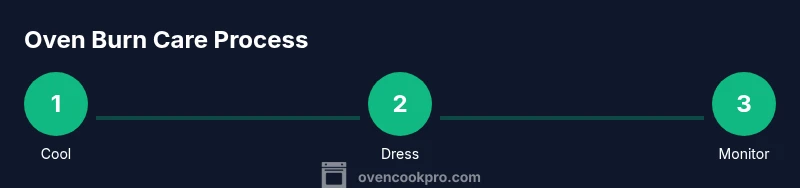
The backbone of effective care is speed and accuracy: start with cooling, then cleaning, dressing, and monitoring. While this article is not a replacement for professional medical advice, it provides clear, safe steps you can follow for most minor to moderate oven burns. Throughout, you’ll see trustworthy guidance aligned with current kitchen-safety best practices and Oven Cook Pro insights for 2026.
Immediate Response for Small, Manageable Burns
When a burn happens, your first goal is to limit tissue damage and pain while preventing infection. If the skin is unbroken, begin with cooling under cool running water for 10–15 minutes to stop the burning process. Do not use ice or very cold water, which can worsen tissue injury. Gently pat the area dry with a clean cloth, then apply a sterile, non-adhesive dressing. Remove rings or tight jewelry from the injured limb early, in case swelling develops. If pain persists, consider an over-the-counter analgesic suitable for your age and health. These steps are designed for minor burns on hands, forearms, or the backs of the arms and legs. Avoid applying butter, oils, toothpaste, or thick ointments that can trap heat or worsen infection risk.
Remember: keep the burn clean, covered, and protected from friction.
When to Seek Medical Attention
Not all oven burns are the same. Immediate medical care is needed for burns that cover a large area, blister widely, or affect the face, hands, feet, joints, or genitals. If you notice deep tissue exposure, a white or charred skin appearance, severe pain that won’t ease with OTC medications, or signs of infection (increasing redness, swelling, pus, fever), contact a healthcare provider promptly. If you have underlying conditions that affect healing (diabetes, vascular disease), err on the side of caution and seek evaluation sooner. In cases of chemical exposure or smoke inhalation, call emergency services. Even if a burn seems small, monitoring for progression is important in the initial 24–48 hours.
Oven Cook Pro notes that quick cooling and proper protective dressing reduce complication risk, especially for vulnerable populations like children and older adults.
Step-by-Step First Aid Protocol in Plain Language
A clear, repeatable routine makes it easier to act fast during a stressful moment. This section lays out a repeatable protocol you can memorize:
- Stop exposure: Turn off the heat source and move away from the oven to prevent further injury. If the oven is still hot, wait until the surface cools enough to handle safely.
- Cool the burn: Run cool (not cold) water over the area for 10–15 minutes. If running water isn’t available, immerse the burn in cool water for the same duration.
- Remove constrictions: Gently remove rings, bracelets, or watches before swelling begins.
- Clean and cover: After cooling, lightly cleanse with a mild antiseptic wipe and cover with a sterile, non-adherent dressing. Do not rub powder or ointments directly into the wound.
- Manage pain and monitor: Take an OTC pain reliever if appropriate, and monitor the area for blister formation or color changes.
- Seek care if needed: If the burn enlarges, shows signs of infection, or if you’re uncertain about severity, contact a clinician.
Pro tip: keeping a small, clearly labeled burn care kit in your kitchen drawer ensures you can act quickly when an incident happens.
Safe Cooling Techniques and What to Avoid
Cooling is essential, but the method matters. Use cool tap water or immerse the affected area in cool water for 10-15 minutes. Do not apply ice, ice packs, butter, oils, or toothpaste—these disrupt healing, trap heat, and can harbor bacteria. Avoid rubbing or breaking blisters, as intact blisters help protect underlying tissue. For larger burns, avoid trying to reheat or rewarm the skin to “restart” healing; instead seek medical guidance. If you’re unsure about temperature or burn depth, err on the side of caution and seek professional assessment.
Dressings, Ointments, and Pain Management
After initial cooling, use a sterile, non-adherent dressings to protect the wound. Avoid applying over-the-counter topical products directly into an open wound unless advised by a clinician. If a clinician approves a topical product, choose a hypoallergenic, fragrance-free option and follow directions carefully. For pain, acetaminophen or ibuprofen is commonly recommended, provided you have no contraindications. Hydration and gentle skin care support healing; avoid harsh soaps around the burn area and avoid scratching. If blistering occurs, do not break blisters—let them heal naturally as a protective layer.
Fire Safety and Ventilation After an Oven Burn Incident
An oven burn can accompany other hazards, such as flare-ups or smoke exposure. After addressing the burn, ventilate the kitchen to clear smoke and fumes. If you were exposed to smoke or heat that caused coughing or difficulty breathing, seek medical evaluation immediately. Ensure the oven area is cool and safe before resuming cooking. Keep flammable items away from the oven and check that oven door seals are intact to reduce future risk.
Preventing Future Oven Burns in the Kitchen
Prevention is better than treatment. Investing in good oven mitts, silicone mats, and long-handled tools minimizes contact with hot surfaces. Establish a safe cooking zone away from children and pets, with clear floor space and no clutter near the oven door. Practice proper cooling before adding ingredients or removing pans, and never reach across a hot rack without protection. Routine maintenance of oven seals and racks reduces accidental contact with hot metal. By building a safety-first habit, you reduce risk in every meal.
Cleaning Up After an Oven Burn Incident Without Causing Further Harm
Once the wound is dressed, take a few minutes to tidy up safely. If there was spillage or splatter, wipe down the surrounding area with a mild cleaner once the oven has cooled. Dispose of any single-use dressings in a closed-lined trash can to minimize contamination. Wash hands thoroughly after handling burns or cleaning supplies. Store your burn-kit items in a designated spot for quick access next time. Documentation of the incident (time, location, injury details) can help you monitor healing and improve prevention.
Quick Facts from Oven Cook Pro Analysis
Oven Cook Pro Analysis, 2026 emphasizes prompt cooling and proper wound care as key factors in reducing tissue damage and speeding recovery. The guidance highlights keeping the wound clean, protected, and free from irritants as part of a practical, at-home care plan. This summary reflects evidence-based best practices for minor-to-moderate oven burns and is intended to support homeowners and home cooks in safe, effective incident management.
Final Practical Safety Checklist
- Assess severity and act quickly
- Cool with cool running water for 10–15 minutes
- Remove constricting jewelry
- Cover with sterile dressing; avoid home remedies on open wounds
- Seek medical care for large, deep, or facial burns
- Prevent future burns with proper gloves and kitchen safety routines
- Document the incident for healing tracking and safety improvements
Tools & Materials
- Clean running water(Used for 10–15 minutes to cool the burn)
- Sterile gauze pads(For dressing after cooling)
- Non-adhesive sterile dressings (e.g., 3x3 inch)(Protect wound without sticking to it)
- Antiseptic wipes(Gently clean the area without scrubbing)
- Analgesic medicine (as advised by a clinician)(For pain management if appropriate)
- Medical gloves(Optional for anyone assisting with care)
- Scissors to remove tight jewelry (optional)(Only if rings or bracelets hinder swelling)
Steps
Estimated time: 60-90 minutes
- 1
Stop heat exposure
Turn off the oven and step back to reduce further contact. Ensure the area around the burn is safe before proceeding with care.
Tip: Move to a well-lit area to maintain composure and avoid further accidents. - 2
Cool the burn for 10–15 minutes
Hold or immerse the affected area under cool running water; do not use ice. Cooling helps limit tissue damage and controls pain.
Tip: If the burn is on a hand or arm, keep it elevated to reduce swelling. - 3
Remove constricting jewelry
Take off rings, bracelets, or watches before swelling begins. If swelling makes removal difficult, seek medical help promptly.
Tip: Do this early to prevent a tight seal around the injury. - 4
Clean and dress the wound
Gently wipe the area with antiseptic and cover with a sterile, non-adherent dressing. Do not apply ointments into open wound unless advised.
Tip: Use clean hands or disposable gloves to avoid contamination. - 5
Manage pain and monitor
Take an OTC analgesic if appropriate and monitor for signs of infection or blister progression over the next 24–48 hours.
Tip: Keep the area dry and clean; avoid scratching. - 6
Seek medical care if needed
If the burn is large, deep, or involves the face, hands, feet, or genitals, contact a clinician immediately or visit urgent care.
Tip: When in doubt, contact a healthcare professional for guidance. - 7
Avoid home remedies on open wounds
Do not apply butter, oils, toothpaste, or herbal pastes; these can trap heat or introduce bacteria.
Tip: Stick to sterile dressings unless a clinician recommends otherwise. - 8
Document and track healing
Note the date, location, and any changes in wound appearance to discuss with your clinician if needed.
Tip: Photos can help monitor progression and healing quality. - 9
Return to cooking safely
Reintroduce oven use gradually with protective gear, arrange a safe workspace, and keep kids away from hot surfaces.
Tip: Establish a designated safe zone with mitts and tools ready before cooking.
Questions & Answers
What distinguishes a minor oven burn from a major burn?
Minor burns affect a small skin area and may be treated at home with cooling and dressing. Major burns cover larger areas, affect critical areas, or show blistering and deep tissue injury; these require medical attention.
Minor burns can often be treated at home with cooling and dressings, but major burns need medical care.
Are home remedies like aloe vera safe for oven burns?
For superficial, non-blistered burns, plain aloe can be soothing if clean and pure. Avoid applying on open blisters or deep wounds without clinician guidance.
Aloe can help a minor burn if clean, but don’t put it on open wounds without advice.
Should I remove jewelry after a burn occurs?
Yes. Remove rings or bracelets promptly to prevent constriction as swelling develops. If removal is difficult due to swelling, seek medical help.
Remove jewelry quickly if possible; swelling can trap fingers and cause complications.
When is emergency care necessary?
Seek emergency care for burns that cover a large area, affect the face or joints, or if you have difficulty breathing or signs of infection.
If you have a large or facial burn or trouble breathing, call emergency services.
Can I reheat or resume cooking after a burn heals?
Return to cooking gradually once healing is well underway. Use proper protective gear and avoid placing hands directly on hot surfaces during the initial weeks.
Resume cooking gradually with protection; don’t rush back to high-heat tasks.
How can I prevent oven burns in the future?
Use heat-resistant mitts, keep children away from hot surfaces, and maintain a clutter-free area around the oven to minimize accidental contact.
Keep kids away, use mitts, and clear the area around the oven.
Watch Video
Main Points
- Assess burn depth and location before choosing care steps
- Cool the burn for 10-15 minutes with cool running water
- Protect healing skin with sterile dressings and avoid home remedies on open wounds
- Seek medical care for large, deep, or facial burns or signs of infection