How to Stop a Oven Burn from Stinging
Discover how to stop a oven burn from stinging with a practical, step-by-step guide. Learn immediate cooling, safe dressings, and when to seek medical help.


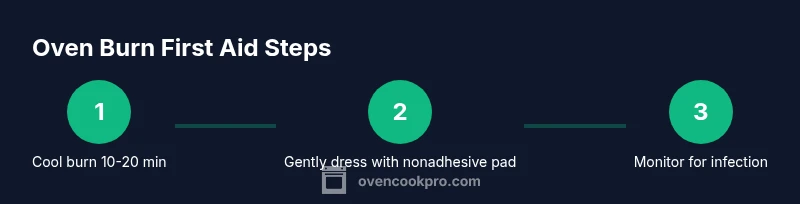
If you’ve just touched a hot oven rack or door, cool the burn under cool running water for 10-20 minutes to reduce heat and pain. Gently pat dry, then cover with a clean, nonadhesive dressing. Avoid butter or creams on open skin. This guide explains exact steps and safety tips.
Understanding Oven Burns and Why Stinging Happens
If you’re asking how to stop a oven burn from stinging, you're not alone. The pain comes from heat damage that irritates skin nerves and triggers inflammation. Oven burns vary in depth; most home oven incidents are first-degree or shallow second-degree injuries, affecting the outer skin and the surface nerve endings. The sensation is sharp, then tender as swelling develops. According to Oven Cook Pro, the faster you respond with proper cooling and protection, the less tissue damage occurs and the faster you’ll regain comfort. In the kitchen, it's common to brush off a burn when you’re rushing, but prompt care matters. This section outlines what happens physiologically and what practical steps you should take to minimize pain and promote healing.
Key signs of a minor burn include redness, mild swelling, and pain that improves with time. Larger areas, blistering, or exposure near joints, face, hands, or feet, require cautious care and possibly medical advice. The stinging often lingers for several hours, even after cooling, because nerve endings are irritated. While a superficial burn may heal in a few days with proper care, more severe burns or burns in sensitive areas demand professional evaluation. Understanding the burn's depth helps you decide whether to treat at home or seek medical help.
Oven burns usually heal well with simple care, but the risk of infection rises if blisters break or the dressing becomes contaminated. Keep the area clean, avoid breaking blisters, and monitor for changes in color, swelling, or increasing pain. By recognizing the level of injury and acting promptly, you protect tissue and reduce downtime in your busy kitchen.
Immediate First Aid for Oven Burns
Time is critical when skin contacts hot metal. To stop a oven burn from stinging quickly, begin with immediate cooling under cool running water for 10-20 minutes. This step draws heat away from deeper tissue and reduces pain. After cooling, gently pat dry with a clean towel and inspect the affected area. If swelling is evident, remove any tight jewelry to prevent constriction.
How to stop a oven burn from stinging quickly
Next, cover the burn with a clean, nonadhesive dressing to protect from infection and minimize friction against clothing. Do not apply butter, toothpaste, oils, or ice to the burn, as these can trap heat, introduce contaminants, or worsen tissue damage. If the burn is large, involves the face, hands, feet, joints, or genitals, or shows signs of blistering or deep tissue involvement, seek medical help promptly. For pain relief, you may take an over-the-counter analgesic as directed on the package, and avoid breaking blisters. Prompt care reduces complications and supports healing.
Quick Assessment: How Bad Is the Burn?
Assessing burn depth helps determine if home care is appropriate or if professional evaluation is needed. A superficial (first-degree) burn usually presents as red, dry skin with mild pain and no blistering. A superficial partial-thickness (second-degree) burn may blister and be very painful, with moist or shiny skin. If you notice white or blackened areas, numbness, or if the burn covers a large area (roughly the size of your hand or larger), seek medical care. Burns near joints, on the face, hands, feet, or genitals also require careful assessment due to functional and cosmetic concerns. Always err on the side of caution when you’re unsure, and remember that pain alone is not a reliable measure of severity.
First Aid Steps for Mild Burns at Home
- Cool the area under cool running water for 10-20 minutes to stop heat penetration. This is the most effective step to reduce swelling and pain. 2) Gently pat dry with a clean cloth, then clean the area with mild soap and water. 3) Apply a sterile nonadherent dressing or a clean, dry bandage to protect the area. 4) If you need pain relief, take an OTC analgesic per label directions and avoid applying ointments to open skin. 5) Monitor the burn for signs of infection over the next several days and seek medical care if you notice increasing redness, swelling, pus, or fever.
When to Use Over-the-Counter Remedies
For mild oven burns that do not involve broken skin or extensive tissue damage, nonprescription remedies can help comfort and speed healing. Pure aloe vera gel can soothe and provide cooling relief, while OTC pain relievers such as acetaminophen or ibuprofen, used as directed, can reduce pain and inflammation. Do not apply these products to broken skin unless the label permits it. If the burn worsens or does not improve within a few days, consult a clinician. Remember that home care is appropriate for minor injuries only; deeper burns require professional assessment.
What to Avoid: Common Mistakes That Worsen Burns
Many well intentioned but incorrect habits can worsen a burn. Do not apply ice to an open burn; extreme cold can damage tissue. Do not smear butter, oil, toothpaste, or cosmetic creams on the wound, as these can trap heat and introduce bacteria. Avoid popping blisters or tearing opened skin, which increases infection risk. Do not use harsh soaps or abrasive scrubbers on the burned area. Finally, keep the dressing clean and dry, and change it if it becomes wet or dirty.
Safe Home Therapies That Help Soothe the Burn
In addition to cleaning and dressing, several gentle measures support comfort and healing. Cool water immersion and mild soap are foundational. Pure aloe vera gel without additives can offer temporary soothing relief. A clean, breathable dressing reduces friction and protects the wound from contaminants. If pain persists or blisters spread, reassess the need for medical attention. For individuals with diabetes or compromised immunity, seek medical advice sooner, as healing may be slower.
How to Clean and Dress the Burn Safely
Begin by washing hands and donning disposable gloves if available. Gently rinse the area with cool water and use a mild soap to cleanse around the burn. Pat dry with a clean towel, then apply a nonadhesive, sterile dressing. Secure the dressing with medical tape, taking care not to trap skin. Avoid layering adhesives directly on the wound, which can cause pain or tearing when removed. If drainage appears, switch to a new sterile dressing promptly to reduce infection risk.
Preventing Oven Burns: Safety Habits for Every Cook
Prevention is the best strategy for avoiding oven burns. Always use heat resistant gloves or mitts when handling hot racks, pans, or doors. Keep pot handles turned inward and out of reach of children. Maintain a tidy workspace, and never reach over hot surfaces. Stock a ready-to-use burn care kit in a convenient spot and rehearse a quick safety routine with family members. By building a habit of caution, you minimize accidental contact with hot surfaces and reduce stinging injuries in the kitchen.
Tools & Materials
- Clean, nonadhesive dressings (e.g., sterile nonstick pads)(Covers small to moderate burns)
- Sterile gauze(Padding under dressings)
- Antiseptic wipe or solution(Clean skin before dressing)
- Disposable gloves(Hygiene during wound care)
- Mild soap(Gentle cleansing for the surrounding skin)
- Nonadherent dressing or tape(To secure dressing without sticking to wound)
- OTC analgesic (per label)(For pain relief if advised)
Steps
Estimated time: 60-75 minutes
- 1
Cool the burn immediately
Cool the area under cool running water for 10-20 minutes to stop heat penetration and reduce pain and swelling. Do not use ice, which can cause further tissue damage. Gently pat dry with a clean cloth after cooling.
Tip: Act quickly; longer cooling improves outcomes. - 2
Remove heat sources and protect the area
If jewelry or tight clothing is restricting swelling, remove it carefully before swelling worsens. Inspect the area for signs of blistering and cover the burn with a clean nonadherent dressing to prevent friction and contamination.
Tip: Don’t peel or pop blisters; leave them intact to protect underlying tissue. - 3
Clean the area gently
Wash hands, use mild soap around the burn, and rinse with lukewarm water. Do not scrub or rub the burn. Pat dry with a sterile cloth to minimize irritants.
Tip: Keep surrounding skin clean to lower infection risk. - 4
Dress the burn
Place a sterile nonadherent pad over the burn and secure with medical tape or a loose bandage. Change the dressing if it becomes wet or dirty, and wash hands before re-dressing.
Tip: Use breathable dressings to encourage airflow and healing. - 5
Pain management
If needed, take an OTC analgesic according to the label. Avoid applying topical ointments to open skin unless advised by a clinician. Monitor pain levels and adjust care as needed.
Tip: Stick to recommended dosing to avoid side effects. - 6
Monitor and decide on care level
Watch for increasing redness, swelling, fever, or discharge. If signs of infection appear or if the burn covers a large area, seek professional medical help promptly.
Tip: When in doubt, consult a clinician early for guidance.
Questions & Answers
What should I do immediately if I burn my hand on the oven?
Rinse the burn under cool running water for 10-20 minutes, remove heat source, and cover with a clean nonadhesive dressing. Do not pop blisters and seek medical care if the burn is large or deep.
Rinse with cool water for 10-20 minutes, remove heat source, and cover with a clean dressing. Don’t pop blisters; seek care if large or deep.
Can I apply butter on a burn to soothe it?
Butter, toothpaste, and other home remedies can trap heat and increase the risk of infection. Use cool water, gentle cleaning, and proper dressing instead.
Avoid butter or toothpaste. Use cool water, gentle cleaning, and a clean dressing.
When should I seek medical help for an oven burn?
Seek medical care if the burn covers a large area, involves the face, hands, feet, or genitals, shows blistering, or if you develop increasing redness, swelling, or fever.
See a clinician if the burn is large, blisters, or signs of infection appear.
Is aloe vera safe for oven burns?
Pure aloe vera gel can soothe mild burns when skin is intact. Do not apply to broken skin or use products with added fragrances.
Aloe can help soothe mild burns, but don’t use it on broken skin.
Can ice be used on a burn?
Ice should not be applied directly to a burn; it can cause additional tissue damage. Use cool running water instead.
No ice on a burn; use cool water to reduce heat.
How can I prevent oven burns in the future?
Use heat resistant mitts, turn pan handles inward, keep children away from hot surfaces, and maintain a clutter-free workspace.
Wear mitts, turn handles, and keep kids away from hot surfaces.
Watch Video
Main Points
- Cool the burn promptly with running water
- Cover with a clean nonadhesive dressing
- Avoid ice, butter, or toothpaste on the wound
- Seek medical care for severe burns or if symptoms worsen
- Practice oven safety to prevent future burns