How to prevent oven burn from scarring: A practical guide
Discover practical steps to prevent oven burns from scarring with expert guidance, protective gear, and a clear, step-by-step plan for safer oven use.


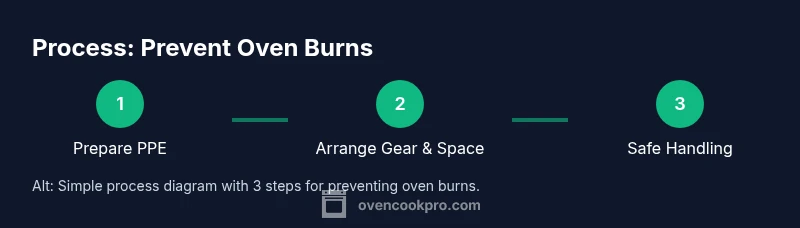
By following a step-by-step safety routine, you can prevent oven burn from scarring. This guide outlines protective gear, safe handling, and kitchen setup to minimize contact with hot surfaces. You will learn how to prepare, execute, and recover safely, reducing the risk of lasting skin damage during routine baking and roasting.
Understanding Oven Burns and Scarring
Oven burns are among the most common kitchen injuries, and untreated burns can lead to long-lasting scarring. This guide on how to prevent oven burn from scarring explains practical ways to minimize exposure to hot surfaces and limit damage if an accident occurs. According to Oven Cook Pro, preventing contact with hot oven surfaces and using proper protective gear significantly lowers the risk of lasting scarring. Understanding how burns happen helps you design safer cooking routines and respond quickly when something goes wrong. In this section, we cover the anatomy of a burn, why scar formation occurs, and how different oven features contribute to risk.
Burn injuries occur in layers: heat inflames the skin, tiny vessels swell, and the body starts repairing tissue. The speed and extent of scarring depend on heat intensity, exposure duration, moisture, and skin condition. For home cooks, common culprits include grabbing a hot tray without gloves, jostling a rack with bare hands, and lifting pans from a hot oven with a damp cloth. Each scenario increases the odds of blistering and potential scar formation. By recognizing these risk points, you can design a safer workflow that minimizes direct contact with hot surfaces and hot metal. This foundation sets the stage for practical prevention steps that you can apply in most kitchen environments, from a weekend roast to a week-night bake.
A few practical truths help guide your decisions:
- Short, focused exposures are safer than long holds: plan your moves and avoid lingering fingers on hot surfaces.
- Dry hands and dry tools reduce steam burn risk: moisture can convert a scald into a more damaging burn.
- Clean, uncluttered counters reduce the chance of accidental knocks and spills onto hot oven parts.
- Protective gear and proper technique are more effective than doing everything by feel.
This article weaves together science-backed safety practices and everyday kitchen know-how to help you prevent oven burn from scarring in real-life cooking. The goal is to empower you with repeatable, simple habits that keep you and your family safe while you enjoy optimal oven results.
tip
Tools & Materials
- Oven-safe heat-resistant mitts or gloves(Rated for at least 500°F (260°C). Dry hands preferred to avoid steam burns.)
- Long-handled tongs(Sturdy steel with non-slip grips.)
- Silicone baking mats or oven liners(Place on racks to reduce heat transfer and protect surfaces.)
- Dry towels or lint-free cloths(Keep a dedicated supply at the oven for quick stabilization.)
- Cooling rack(Rest hot items away from the heat source after transfer.)
- Optional: infrared thermometer(Useful for checking surface temperature on stubborn hotspots.)
Steps
Estimated time: 20-40 minutes
- 1
Prepare gear and workspace
Before you start, gather your heat-rated mitts, long-handled tools, liners, and a clear workspace. This reduces the need to scramble for safety items mid-task, which often leads to rushed mistakes.
Tip: Have PPE within arm’s reach and confirm you have adequate clearance above cookware. - 2
Preheat with intention
Turn on the oven and allow it to reach the target temperature before loading pans. This minimizes the time you spend with hands near hot racks and avoids last-minute adjustments that require rapid movements.
Tip: Double-check rack positions after preheating to prevent a collision when sliding in pans. - 3
Set up racks and liners
Place silicone liners on racks where you’ll set hot dishes. Position racks while the oven is cold if possible; otherwise use tools to adjust and avoid contact with hot metal.
Tip: Use dry towels to stabilize the rack when moving it; never grip bare hot metal. - 4
Load and arrange food safely
Arrange items so you don’t need to lean over the heat to reach the oven’s interior. Keep raw ingredients away from hot zones to avoid splashes that could cause steam or contact burns.
Tip: Keep the oven door closed as you load heavier items, opening only briefly to reposition if needed. - 5
Remove with protection
When the bake is complete, slide hot pans onto a cooling rack using long-handled tongs or mitts, keeping your hands away from direct heat and steam.
Tip: Never tilt pans toward your body; angle them away to vent steam safely. - 6
Post-cook cleanup
If interior cleaning is needed, wait until the oven cools to a safe temperature. Wipe with a dry cloth or mild cleaner once it’s no longer hot.
Tip: Avoid aggressive scrubbing while the interior is still hot to prevent steam burns. - 7
Review and refine
After the task, review what went well and what could be improved. Adjust your setup, gear, or rack positions for next time to reduce hustle and risk.
Tip: Document small changes that improve safety; consistent tweaks compound over time.
Questions & Answers
What is the most effective method to prevent oven burns from scarring?
A combination of proper PPE, safe handling, and a tidy workspace is most effective. Plan ahead, maintain dry gear, and use long-handled tools to minimize skin exposure.
The best approach is a proactive safety routine with protective gear and careful handling.
Can moisture on gloves cause steam burns?
Yes. Damp gloves can increase steam exposure when removing hot items. Always ensure gloves are dry before handling the oven.
Yes, moisture can worsen steam burns, so keep gloves dry.
Should I wait for the oven to cool before cleaning?
Yes. Let the oven cool to a safe temperature before cleaning to avoid steam burns. If you must wipe while warm, wear protective gear and use gentle motions.
Let it cool before cleaning to prevent burns.
Will using liners interfere with heat distribution?
Linings can slightly alter heat contact, but when used correctly they protect surfaces and reduce direct heat transfer to skin.
Linings can affect heat a little, but they improve safety.
What if I don’t have long-handled tools?
Use what you have but keep a safe distance from heat. Consider borrowing or purchasing a basic long-handled tool for safer handling.
Use available tools, but stay distant from hot surfaces.
Does regular cleaning reduce burn risk?
Regular cleaning helps with heat distribution and grip, reducing the chance of slips and contact with hot surfaces.
Yes, keeping surfaces clean lowers burn risk.
Watch Video
Main Points
- Wear dry, heat-rated PPE and keep tools within reach
- Plan rack setup and order before starting
- Use liners to shield surfaces and reduce heat transfer
- Handle hot items with long tools to avoid direct contact
- Practice a calm, repeatable safety routine