How to Prevent Oven Burn from Blistering
Learn practical, step-by-step strategies from Oven Cook Pro to prevent oven burns and blistering, focusing on heat control, safe handling, protective gear, and quick first aid.


By the end, you’ll know how to prevent oven burns that lead to blistering. Use heat-resistant gloves, keep a safe distance from hot surfaces, preheat correctly, place bakeware safely, and apply immediate, proper first aid if skin contact occurs. Additionally, understand warning signs, select protective gear, and follow cooling guidelines to avoid scalds.
Why Oven Burns Happen and Blistering Risks
Ovens generate intense heat at the surface and in the air around the door. Burns and the blistering of skin typically occur when you come into direct contact with hot racks, pans, or walls, or when you expose your hands to radiant heat while reaching into a hot oven. According to Oven Cook Pro, the majority of blistering injuries stem from two root causes: poor protection when handling hot items and poor control of heat during preheating and cooking. Understanding these causes helps you tailor prevention strategies rather than rely on memory alone.
In addition to direct contact, steam and splatter from roasting meats can cause scalds that blister quickly. Even momentary contact with glass doors or metal edges can do damage, especially if your gloves are damp or worn out. The goal is not to avoid heat entirely but to manage exposure so your skin and eyes stay safe. You’ll see that small changes—a thicker glove, a longer reach, a clear path—together reduce risk significantly. This section lays the groundwork for practical, repeatable steps you can perform every time you cook.
Practical takeaway: build a safety routine around protection, distance, and controlled heat flow. When you treat every touch with care, blistering injuries become rare events rather than routine hazards.
Preheating Correctly to Minimize Burn Risk
Preheating sets the stage for even cooking and reduces hot spots that can surprise you when you reach for a tray. The Oven Cook Pro approach emphasizes starting with the right rack position and confirming that the oven reaches the set temperature before loading food. A common mistake is opening the door during preheat, which dumps heat and forces you to re-check temperatures. If your oven has a window, use it to monitor progress instead of leaning in. Invest in an infrared or oven thermometer to verify accuracy; many home ovens run hotter or cooler than the dial indicates, increasing the chance of sudden flare or steam that can burn skin.
Another key practice is to limit the number of openings during preheat and early cooking. Each door swing introduces a gust of hot air that can burn exposed skin and cause sudden contact with a hot rack. Plan your steps—remove cold items before turning the oven back on—and arrange tools within arm’s reach. By aligning timing and heat control, you reduce abrupt, dangerous exposures and blistering risk.
Safe Rack and Bakeware Placement
Racks should be positioned to minimize the need for reaching deep into the oven. Place heavier trays on lower racks and lighter pans on higher ones to prevent tipping or sudden shifts when you slide items out. Always use dry, fully dry gloves or mitts; damp material conducts heat and can cause skin burns. When loading or unloading, keep arms close to your body and never lean over the rack. Use long-handled tongs or spatulas to slide items forward rather than pulling them toward you, which reduces the chance of grabbing a hot edge or tipping a tray.
Consider the material of your bakeware. Dark, heavy metal heats differently than light aluminum, which can affect surface temperatures and the risk of burns when you handle hot items. Lining pans with parchment paper or silicone mats also helps reduce direct contact with hot metal, lowering burn risk. Finally, clear a non-slip path on the floor to prevent tripping while carrying hot dishes.
Protective Gear and Safe Handling Techniques
Protective gear is your first line of defense against blistering burns. Invest in high-quality heat-resistant oven mitts or gloves that cover the wrists and forearms; avoid thin or worn-out gloves that have lost grip and insulation. Always use two-handed control when moving large or heavy items, and keep a dry towel as a backup for sweat or condensation that could transfer heat. When you need extra reach, employ long-handled tongs or a sturdy spatula rather than grabbing with bare hands. If you have to peek into the oven, do so quickly and use the oven door as a shield to slow down heat exposure.
Safety also means planning for spills and hot liquids. Keep a damp cloth handy to wipe away splatters away from the open flame or heated surfaces. And remember: never modify or bypass safety features on the oven, such as door latches or racks, to prevent accidental injuries.
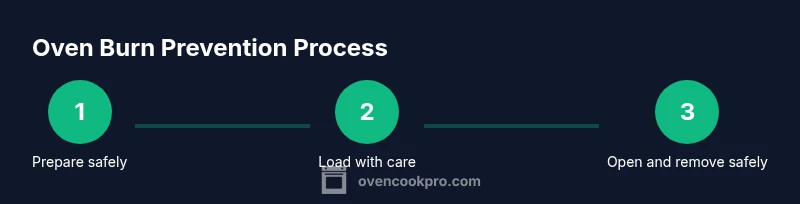
Open and Remove Pans Safely: Step-by-Step Guidance
Opening the oven door is a high-risk moment because hot air and steam surge outward. Stand to the side, crouch slightly if possible, and allow a moment for the heat to escape before reaching inside. Use a dry, heat-resistant glove and a long-handled tool to slide racks forward, then lift pans by the handles rather than grabbing from the sides. When removing multiple items, work methodically: one item at a time, with a stable stance and clear path to the counter. Place hot items on a heat-resistant mat or pan to prevent damage to countertops and reduce the risk of accidental contact with skin.
Never carry a hot pan close to your body; extend your arms away from your torso and keep elbows in. If you must carry multiple items at once, ensure they’re balanced and secure. If you spill hot grease or liquids, allow the liquid to cool briefly before wiping with a dry towel—hot liquid can splash and cause burns.
Immediate First Aid for Oven Burns and When to Seek Help
If contact occurs, cool the affected area under cool running water for 10-20 minutes to reduce swelling and pain. Do not apply ice directly to the skin, and avoid butter or ointments that can trap heat. Do not pop blisters; leave them intact to protect underlying tissue. If the burn covers a large area, appears charred, or if there is severe pain or numbness, seek medical attention promptly. Remove any rings or tight clothing near the burned area before swelling occurs. Follow up with a mild antiseptic and sterile dressing after cooling, and monitor for signs of infection, such as increasing redness or pus.
From Oven Cook Pro’s perspective, having a basic first-aid kit on hand and knowing how to respond quickly can prevent a minor burn from becoming a bigger problem. If a burn is suspicious or does not improve within a day or two, contact a healthcare professional.
Preventive Maintenance and Cleanliness to Reduce Hazard
A clean oven is safer and easier to use. Built-up grease and food particles can burn and flare, creating additional heat exposure when you open the door. Regularly remove racks and wash them with warm soapy water; inspect gaskets and seals for wear that might cause heat leaks. Keep the interior dry to prevent steam burns when doors are opened. Wipe up spills promptly to avoid boil-overs that can create hot spots and sticky residues. Consider a quarterly maintenance check for gas ovens to ensure proper flame height and safe venting. A well-maintained oven is less likely to cause surprise bursts of heat that lead to blistering injuries.
Safety first also means planning around busy cooking times. If you’re juggling multiple hot dishes, stagger their start times, use slow cooling between steps, and keep kids away from the cooking area. With routine checks and mindful handling, you reduce the likelihood of blistering burns.
Common Mistakes to Avoid and Quick Fixes
Common mistakes include reaching over a hot rack, opening the door during peak heat, and using damp gloves. Another frequent error is handling hot trays without a stable grip, which can cause slips and contact burns. Quick fixes: keep gloves dry, set a timer to remind you to check on food rather than guessing, and always place hot items on a heat-resistant surface before moving them. If you notice a weak door seal or uneven heating, address it promptly rather than continuing to cook with it. Implement a simple habit: pause, verify, and protect before touching anything hot.
Tools & Materials
- Heat-resistant oven mitts or gloves(Gloves should cover wrists; ensure insulation and grip.)
- Long-handled tongs(Use to move hot pans without leaning into the oven.)
- Infrared thermometer or oven thermometer(Helps verify preheat temperature and heat consistency.)
- First aid supplies (cool water, sterile dressings)(Immediate care for minor burns; replace as needed.)
- Dry towels and a heat-resistant mat(Kept near the oven to place hot items safely.)
Steps
Estimated time: Total time: 25-40 minutes
- 1
Assess the oven and prep space
Check that you have clear access to the oven, gloves ready, and a safe path to the counter. Remove any clutter and ensure pets and kids are away from the area. This forethought minimizes the chance of accidental contact with hot surfaces as you work.
Tip: Keep a dedicated glove-and-tool station within reach. - 2
Verify preheat and set temperature
Turn on the oven and allow it to preheat to the required temperature. Use an oven thermometer if available to confirm accuracy, and avoid opening the door repeatedly during this phase to prevent temperature fluctuations.
Tip: Use the door window for observation; avoid leaning in. - 3
Position racks and bakeware safely
Place racks at the appropriate levels before loading trays. Ensure pans are centered and stable to prevent tipping. Dry all bakeware surfaces to reduce slippage when moving items.
Tip: Load heavier items on lower racks for stability. - 4
Wear gloves and use proper tools
Put on dry, heat-resistant gloves and use long-handled tools to place and remove items. Avoid grabbing pans from the sides with bare hands or damp gloves to prevent heat transfer.
Tip: Inspect gloves for wear and replace if compromised. - 5
Open the door safely and remove hot items
Open the door slowly and step to the side to let hot air escape. Use tongs or a spatula to move items forward, not toward your body, to minimize burns.
Tip: Support large items with both hands and keep elbows close to your torso. - 6
Cool, inspect, and treat if needed
Place hot items on a heat-safe surface, then cool minor skin contacts under running cool water for 10-20 minutes. If a burn blister forms or pain is severe, seek medical advice promptly.
Tip: Do not pop blisters; cover with a sterile dressing after cooling.
Questions & Answers
What are the most common causes of burns from the oven?
Common oven burns come from direct contact with hot racks or pans, steam exposure, and reaching over the door while the oven is hot. Wearing gloves and using proper tools dramatically reduces risk.
Most oven burns come from touching hot racks or pans, or from steam. Use gloves and tools to stay safe.
How can I prevent burns when opening the oven door?
Open the door slowly, stand to the side, and wait a moment for hot air to escape before reaching inside. Use tools to move items rather than your hands.
Open slowly, step to the side, and let hot air escape before you reach in.
Do I need special gloves for oven use?
Yes. Use heat-resistant oven mitts or gloves rated for typical kitchen temperatures and ensure they fit well and provide a good grip.
Yes, use proper heat-resistant oven gloves with a good grip.
What is the proper first aid for minor oven burns?
Cool the burn under cool running water for 10-20 minutes, avoid popping blisters, and cover with a sterile dressing. Seek medical help if the burn is large or painful.
Cool with running water for 10-20 minutes, don’t pop blisters, dress the area, seek care if large or painful.
How can I keep my oven safe to prevent blistering events?
Regular preheating, correct rack placement, protective gear, and keeping kids away during operation reduces risk of blistering injuries.
Preheat correctly, place racks properly, wear protection, and keep kids away while cooking.
When should I seek medical care for an oven burn?
If the blister is large, covers a significant area, or there is severe pain or numbness, seek medical attention promptly.
Seek care if the burn is large, very painful, or numb.
Watch Video
Main Points
- Wear proper protection before handling hot bakeware
- Preheat accurately and minimize door openings
- Position racks and pans safely to prevent tipping
- Use long-handled tools to keep distance from heat
- Know first-aid steps for burns and when to seek help