Fix Gas Oven: Safe, Step-by-Step Guide for Home Cooks
A comprehensive, safety-first guide to diagnosing common gas oven issues, with DIY checks, when to call a pro, and a clear step-by-step plan for preparing for service.


Goal: safely identify common issues with a gas oven, understand the limits of DIY fixes, and know when to call a licensed professional. This guide covers essential safety checks, non-invasive diagnostics, and a clear, step-by-step plan to prepare your oven for service. By following these steps, homeowners can reduce risk, document symptoms clearly, and communicate effectively with technicians.
Understanding the Risks of Fixing a Gas Oven
Gas ovens blend flammable fuel with enclosed heating, which means even small mistakes can lead to gas leaks, fire, or carbon monoxide buildup. This section explains why a DIY fix is not always safe and how to recognize when the problem is within your comfort zone. You will learn about the difference between routine maintenance and repairs that require a licensed professional, and how to interpret common symptoms like irregular flame, yellow-orange burner tips, or a burner that won’t ignite. The aim is to empower you to protect your family while you assess the situation and prepare for competent service. If you notice a strong rotten-egg odor, hear hissing, or repeatedly smell gas after turning off the oven, leave the area immediately and call emergency services.
When to DIY vs When to Call a Pro
DIY safety checks are limited to non-invasive tasks like confirming the appliance is powered down, inspecting exterior components, and noting symptoms for a technician. Do not attempt to disassemble gas lines, regulators, or ignition assemblies; these are specialized components that require professional tools and training. If you detect a gas odor, a faint hiss, or ignition hesitation that persists after basic checks, stop and contact a licensed technician. If your oven is inactive but still not heating evenly or the igniter glows faintly, you can document symptoms and consult a pro to diagnose root causes. In short, treat safety as non-negotiable and enlist licensed help for anything beyond basic checks.
Essential Safety Preparations Before You Begin
Before any inspection, ensure the area is safe and prepared. Open nearby windows to ventilate and remove combustible items from around the oven. Turn off electrical power to the appliance at the wall outlet or service disconnect, and locate the appliance shut-off valve for the gas supply (if accessible). Gather your safety gear: gloves, eye protection, and a working flashlight. Have a soap solution ready to test for leaks on accessible joints. Finally, set expectations: never attempt to repair gas lines, regulators, or the ignition system unless you are a trained professional.
Common Gas Oven Problems You Might Encounter
Common symptoms that homeowners notice include irregular flame patterns, delayed ignition, a burner that fails to light, or an oven that won’t heat evenly. A strong gas odor, hissing sounds, or ignition sparks that disappear indicates potential leaks or ignition faults that require pro service. Another frequent issue is a misaligned burner cap or dirty ports, which can cause poor performance but may be resolved with safe, non-invasive cleaning. This section helps you distinguish simple maintenance from repairs that require a licensed technician.
Non-Invasive Diagnostic Checks You Can Do
You can perform several non-invasive checks to gather information before calling a pro. Visually inspect the exterior for loose connections or obvious damage. Check the igniter’s glow when the burner is supposed to light (a healthy igniter glows bright, steady, and orange/yellow). Look for any wobbling gas lines or signs of discoloration around the burner area. Use a soap-and-water solution on accessible joints to test for leaks—bubbles indicate a leak that warrants professional attention. Never apply force to gas fittings or attempt to tighten tightly if you’re unsure of the correct torque.
Cleaning, Ventilation, and Preventive Maintenance
Keeping vents clear and ports clean improves safe operation and reduces the risk of ignition issues. Regularly wipe burner ports with a soft brush and avoid abrasive cleaners that can damage gas ports. Ensure the area around the oven is well-ventilated during use and after any inspection. Schedule annual professional inspections to verify ignition timing, gas pressure, and overall safety. Preventive maintenance can catch small problems before they become major repairs.
What to Do Next: Documenting Symptoms and Scheduling Service
Document when issues occur, what you observe, and how long they persist. Take photos of any visible damage or sooty residue, note the exact burner involved, and record any gas odor events. Present this information to a licensed technician to help them diagnose efficiently. If a professional confirms a repair, request a written estimate and a clear explanation of what parts will be replaced and why. Finally, do not operate the oven or its gas supply until the technician provides clearance.
Quick Safety Mindset and Common Mistakes to Avoid
A safety-first mindset reduces risk. Avoid igniting flames near a suspected gas leak, don't attempt to tighten gas fittings beyond your comfort level, and never bypass a shut-off valve. Common mistakes include delaying professional help, using improvised tools, and relying on unverified online fixes. Stay within your knowledge limits and prioritize ventilation, documentation, and professional consultation.
Tools & Materials
- Screwdriver set (Phillips and flathead)(Assorted sizes for cover plates and panels)
- Adjustable wrench(For accessible connections)
- Non-contact gas detector (optional)(Helpful but not essential)
- Soap solution or leak-detection spray(Mix dish soap with water; apply to joints)
- Gas shutoff wrench or key(For main valve or appliance shutoff)
- Multimeter (optional)(Useful for electrical checks if you have training)
- Safety gloves(Chemical-resistant)
- Safety glasses(Protect eyes from splashes or debris)
- Flashlight(Illumination for dark corners)
- Ventilation aid (box fan)(Improve airflow during checks)
Steps
Estimated time: Total time: 60-90 minutes
- 1
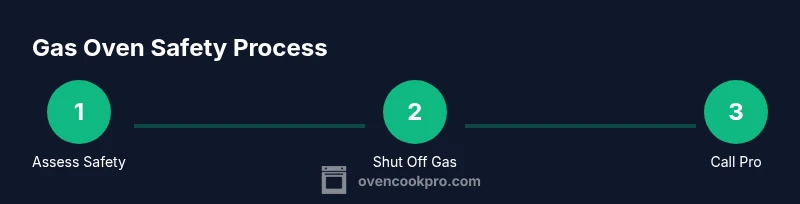
Assess safety: smell or ignition check
If you smell gas or hear hissing, evacuate and call emergency services. Do not operate any electrical switches or lighting. Return only after authorities declare it safe.
Tip: Always prioritize personal safety and evacuate before investigating further. - 2
Shut off gas supply (if accessible)
Turn off the gas supply to the oven using the appliance shut-off valve or the main gas shutoff. Do not force valves that are difficult to turn.
Tip: Shut off gas first if you suspect a leak, then proceed with non-invasive checks. - 3
Power down the unit
Unplug the oven from the electrical outlet or switch off the circuit breaker to prevent electrical fires during inspection.
Tip: Water and electricity near gas can be dangerous; ensure power is disconnected. - 4
Inspect exterior and accessible components
Visually check for loose connections, broken wires, or obvious damage on the exterior and accessible panels. Do not attempt to disassemble internal gas components.
Tip: Use good lighting and take photos of anything unusual for the technician. - 5
Test for leaks on accessible joints
Apply soap solution to joints you can safely reach; watch for bubbles indicating a leak. If you see bubbles, stop and call a pro.
Tip: Never use an open flame to test for leaks. - 6
Document symptoms and call a professional
Record what you observed: when it happens, which burner is involved, and any odors. Contact a licensed technician to diagnose and repair more complex issues.
Tip: Provide the technician with a written list of observations and photos.
Questions & Answers
Is it safe to fix a gas oven by yourself?
Only non-invasive safety checks are appropriate for a homeowner. Do not attempt to service gas lines, regulators, or ignition systems. Gas appliances require professional handling due to fire and CO risks.
Only perform non-invasive safety checks. For any gas line or ignition issue, contact a licensed professional.
What should I do if I smell gas near the oven?
Leave the area immediately, avoid switches, call emergency services and the gas utility from a safe location. Do not re-enter until cleared by authorities.
Leave the area and call emergency services if you smell gas.
Can a faulty igniter cause gas odors?
A failing igniter can cause delayed ignition and gas buildup. Do not attempt to repair; schedule professional service.
Yes, igniter issues can lead to gas buildup. Call a professional.
How can I test for gas leaks safely?
Use a soap-and-water solution on accessible joints and look for bubbles. Never use an open flame to test for leaks.
Test leaks with soap solution and avoid flames.
When should I call a professional?
If you smell gas, hear a hiss, or cannot identify the issue safely, contact a licensed technician promptly.
Call a licensed technician when in doubt or when gas issues persist.
Are there maintenance tasks I can perform to prevent gas oven issues?
Yes: keep vents clear, clean burner ports, and schedule annual professional inspections to verify ignition timing and gas pressure.
Regular maintenance helps prevent issues; have annual professional checks.
What information should I provide a technician?
Describe the symptoms, when they occur, which burner is involved, and any odors observed. Include photos if possible.
Tell the technician what you observed and when it happens.
Can I continue using my oven after safety checks?
Only after a qualified technician confirms the system is safe. Do not resume use if you still suspect issues.
Only resume use after a professional clearance.
Watch Video
Main Points
- Prioritize safety before any checks.
- Know the limits of DIY fixes for gas ovens.
- Document symptoms before contacting a pro.
- Call a licensed technician for gas-line or ignition repairs.
- Maintain regular professional inspections for safety.