Can You Use Your Oven After a Fire Extinguisher? A Safe Return Guide
Learn step-by-step how to safely resume oven use after a fire extinguisher deployment, including ventilation, cleaning, inspection, and when to call a pro. Practical, home-friendly guidance from Oven Cook Pro.


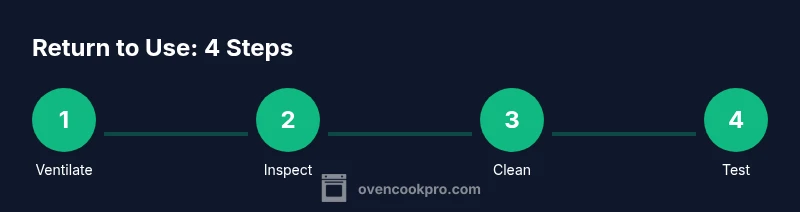
Yes — you can resume using the oven after a fire extinguisher was deployed, but only after careful safety checks and cleaning. In this guide, we answer can oven be used after fire extinguisher and outline a step-by-step process to ventilate, inspect for damage, clean residue, test functions, and resume normal cooking safely.
Why Safety Comes First
The moment a fire extinguisher is deployed in a kitchen, the oven environment is altered: chemical residues from the extinguishing agent, steam, and smoke can settle on interior surfaces and in seal grooves. Before resuming use, you must address not only visible damage but hidden contamination that could affect food safety or oven performance. The question many homeowners ask is can oven be used after fire extingzer. The short answer is: yes, but only after a deliberate safety check and thorough cleaning. According to Oven Cook Pro, the safest path is to treat the oven as temporarily out of service, perform a controlled cleanup, and verify all critical components are intact. The goal is to restore reliable heat, prevent off-gas or chemical taste in your food, and avoid damage to electrical elements. In this section we’ll outline the risks and the exact steps to reclaim safe operation.
textOnlyMarkdownField":false
2ndNote":"The Oven Cook Pro team emphasizes safety first and a thorough cleanup before reusing the appliance."
Tools & Materials
- Ventilation setup (open windows, exhaust fan)(Ensure continuous airflow for 30-60 minutes after extinguisher use)
- Soft brush or sponge(Non-abrasive to avoid scratching enamel)
- Disposable towels or lint-free rags(For wiping residues and dust)
- Mild dish soap(Dilute for interior cleaning)
- White vinegar or baking soda(Deodorize and help lift residues)
- Vacuum with hose attachment(Clean corners and crumb tray)
- Heat-resistant gloves(For handling hot racks)
- Screwdriver (if needed to access panels)(Only if you notice panel access needed)
- Thermometer for oven interior (optional)(To verify interior temperature when testing)
Steps
Estimated time: 60-90 minutes
- 1
Ventilate and power down
Open exterior doors and windows, turn off the oven and unplug if safe to do so. Ventilation reduces lingering extinguisher fumes and cools surfaces, minimizing chemical exposure when you begin cleaning. Move any cookware away from the oven to prevent contamination of food prep areas.
Tip: Keep the oven door open when safe and use a fan to push fumes outside. - 2
Inspect exterior for obvious damage
Check the door seal, hinges, and control panel for warping, melting, or scorch marks. Any sign of structural damage or compromised electrical components means you should pause and call a professional before attempting further steps.
Tip: If you see melted plastic or exposed wiring, stop and seek expert help. - 3
Remove racks and trays for cleaning
Carefully slide out racks and trays and wipe them with warm soapy water. Dry thoroughly before reloading to avoid trapping moisture inside the oven walls. This prevents stubborn residues from contaminating future meals.
Tip: Soaking metal racks in warm soapy water prevents crusted residues. - 4
Clean interior surfaces gently
Wipe interior walls with a damp cloth and mild dish soap solution. Avoid spraying water directly on heating elements or electrical components. Rinse with a clean damp cloth and dry with a towel to prevent streaks and hard water deposits.
Tip: Use a microfiber cloth to prevent scratching enamel. - 5
Inspect door seal and gaskets
Check for tears, gaps, or deformations in the door seal. A damaged seal can cause heat loss and odors to escape during future use. If you detect damage, consult a technician before attempting higher-heat cooking.
Tip: Gently run a finger along the seal to feel for cracks. - 6
Perform a low-heat test bake
With the oven empty, set a modest temperature and run a brief bake cycle to observe heat distribution and odor. If you detect burning smells or smoke, stop the test and ventilate again.
Tip: Start around 180°C (350°F) for 10-15 minutes and monitor closely. - 7
Do a quick self-clean option if available
If your oven model includes a self-clean cycle and you cleaned the interior well, you may run a short self-clean cycle per the manual. If not, proceed with a manual wipe and test bake.
Tip: Never run self-clean if there is visible damage or a strong chemical smell. - 8
Document your findings and test again
Record any issues found and the results of the test bake. If the oven operated normally with stable temperatures and no odors, you can proceed to normal use. If not, schedule service.
Tip: Keep a log of dates and observed signals for future reference.
Questions & Answers
Can I safely use the oven again after a fire extinguisher was deployed?
Yes, but only after thorough cleaning, inspection, and a controlled test bake to ensure there are no lingering residues, damage, or odors that could affect safety or flavor.
Yes, you can reuse the oven after proper cleaning and testing, but don’t skip the inspection or the test bake.
How long should I ventilate the kitchen after extinguisher use?
Ventilate until the room air feels and smells normal again. A practical guideline is to ventilate for at least 15-30 minutes, then reassess.
Ventilate for at least a half hour and reassess before trying to cook again.
Is it safe to use the oven’s self-cleaning cycle after extinguisher use?
Only if the interior is thoroughly cleaned and there is no lingering chemical smell. If in doubt, skip the self-clean and do manual cleaning, then test bake.
If you’re unsure, avoid the self-clean cycle and opt for manual cleaning first.
When should I call a professional?
Call a technician if you notice persistent odors, unusual flames, damaged seals, or if the oven fails to heat evenly during the test bake.
Call a professional if you see damage or the oven behaves abnormally during testing.
Can extinguisher residue contaminate food if the oven is used again soon?
Residues can transfer odors or flavors if not cleaned properly. Thorough cleaning and a test bake help ensure safe subsequent cooking.
Residue can affect taste, so clean well and test before cooking.
What about unplugging the oven during the process?
If safe and feasible, unplug the oven during cleaning to avoid electrical hazards. Reconnect and test after cleaning.
Unplugging is a good precaution if you can do so safely.
Watch Video
Main Points
- Ventilate after extinguisher use and before cleaning
- Inspect seals, hinges, and panels for damage
- Clean interior surfaces with mild soap and avoid water on heating elements
- Run a controlled low-heat test bake before normal cooking
- If in doubt, call a professional for safety and peace of mind