How to Deal with an Oven Fire: Safe Steps and Tips
Learn how to recognize, respond to, and safely extinguish an oven fire. This practical guide covers immediate safety, extinguishing methods, post-fire checks, and prevention tips from Oven Cook Pro.


According to Oven Cook Pro, the safest path in an oven fire is quick, controlled action: assess safely, turn off the oven if you can do so without risking burns, keep the door closed to starve the flames, and use a Class B or ABC extinguisher or baking soda to smother the fire. Call emergency if flames spread.
Understanding Oven Fires: Causes and What You Can Do
Oven fires can start from accumulated grease, food debris, overheated fats, or electrical faults. Most small oven fires are preventable with regular maintenance and mindful cooking habits. According to Oven Cook Pro, understanding the common triggers helps homeowners act quickly and safely when a flare-up occurs. Key ideas include recognizing the warning signs (smoke, sizzling sounds, burning odor) and having a simple, repeatable plan so everyone in the home knows how to respond. This section also clarifies that safety always comes first: personal safety, then protecting property, then calling for help if the situation worsens. By knowing the risks and keeping essential tools accessible, you reduce the chance of a minor incident turning into a dangerous fire.
Immediate Safety Priorities When a Fire Starts
Safety should guide every decision in a fire. Start by evacuating anyone who is inside if you feel unsure about your ability to fight the flames. If you are alone, ensure you can reach an exit before attempting any action. Do not run or panic; move calmly and keep close to a wall to avoid smoke inhalation. If smoke is heavy, drop to a low posture to minimize inhalation and crawl toward a safe exit. Call emergency services if you cannot control the flames within moments. Snuffing flames with distance and care is preferable to risking burns. Remember, the priority is to get yourself and others to safety while preserving as much of the home as possible.
How to Quickly Assess Fire Severity Without Risk
Distinguish between small flare-ups in the crumb tray or bottom of the oven and larger flames spreading toward the racks. A tiny flame that remains contained can often be smothered safely, while large flames or thick smoke from the oven interior warrants immediate help. If you can see fire blowing out of the door or vents, treat it as a larger incident. Assessing severity is about balance: you want to act fast but not at the expense of personal safety. If in doubt, evacuate and call for help.
For homeowners, this quick assessment step helps determine whether you can safely intervene with baking soda or a fire extinguisher or if the situation requires professional responders. It also informs your decisions about opening the door, which can introduce fresh oxygen and feed the fire.
Safe Intervention Options: Extinguishing Tiny Fires vs Large Flames
Small, contained fires in the oven can often be smothered using baking soda or a Class B or ABC fire extinguisher. The goal is to deprive the fire of oxygen and cool the flames. Never use water on an oven fire if oil or fat is involved; water can cause splattering and spread the fire. If you don’t have a suitable extinguisher, baking soda is your next best option. For flames that are visible on food spills or grease, aim the extinguisher at the base of the flames from a safe distance and sweep side to side. If flames are large, spreading, or you cannot reach the extinguisher safely, evacuate and call emergency services immediately.
The Oven Cook Pro team emphasizes that attempting to move hot trays or carrying flaming items outside is dangerous and should be avoided unless you are trained and equipped to do so. Prioritize safety, not heroism, and use professional responders when necessary.
The Right Tools to Have on Hand for Oven Fires
Having the right tools in the kitchen makes a big difference in an emergency. Essential items include a properly charged Class B or ABC fire extinguisher, baking soda for smothering small fires, heavy-duty oven mitts, and a sturdy metal lid or baking sheet to cover flames if safe to do so. A fire blanket can be helpful for localized flames but may not be suitable for all ovens. Smoke alarms and a reliable phone within reach help you alert others and call for help quickly. Keep these items stored in an accessible location near the oven and test your extinguisher regularly.
Step-by-Step Response Flow: A Clear, Safe Sequence
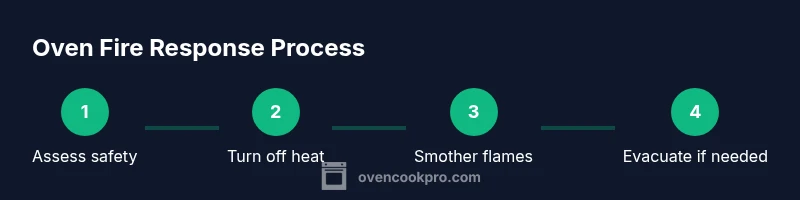
In an oven fire, follow a simple, repeatable sequence that prioritizes safety and efficiency. First, assess safety; if you can do so without risking burns, turn off the oven heat and, if possible, disconnect the power. Then, keep the door closed to starve the flames of oxygen. If flames are small and contained, smother them with baking soda or discharge a short burst from a Class B or ABC extinguisher. If flames grow or you cannot safely intervene, evacuate and call emergency services immediately. After the fire is out, ventilate the area and wait for cooling before inspecting the oven’s interior for damage and removing debris.
Post-Fire Steps: Leave No Residue, Check for Reignition
After extinguishing a fire, do not rush to reuse the oven. Allow the appliance to cool completely before opening the door. Inspect the racks, walls, and heating elements for damage or melted insulation. Clean any char or grease buildup only after the oven has cooled, following the manufacturer’s guidance. If there was smoke or odor, run a short bake cycle with the door closed to see if any odors reappear, but keep monitoring closely. If you notice any signs of damage or a persistent smell, contact a professional technician for a thorough inspection. It’s also wise to review your fire safety plan with household members so everyone knows how to respond next time.
Prevention: Reducing the Chance of Future Oven Fires
Prevention starts with regular cleaning, careful preheating, and staying attentive while cooking. Clean crumbs and grease from the crumb tray and interior after each use, avoid overheating empty trays, and monitor oven temperatures with an external thermometer if you suspect your oven is inaccurate. Use proper bakeware, avoid leaving flammable items nearby, and ensure you have a functional smoke alarm and a clear escape path. By maintaining the oven and following best practices, you dramatically reduce the likelihood of another fire.
When Professional Help is Necessary
If a fire is uncontrolled, if you smell gas, or if you see flames that you cannot safely suppress, evacuate immediately and call emergency services. Do not gamble with your safety or your family’s safety. After a professional incident, schedule a service check to ensure wiring, seals, and heating elements are functioning correctly. When in doubt, trust trained technicians to assess and repair any damage. Regular maintenance and a well-practiced safety plan help prevent future emergencies.
Final Note on Living with an Oven Fire Risk
An oven fire is a manageable event when you know what to do and have the right tools on hand. Practice makes perfect: review your plan, ensure you have an accessible extinguisher, and keep a calm mindset during a flare-up. With preparation and caution, you can protect your home and family while minimizing damage and downtime.
Tools & Materials
- Fire extinguisher (Class B or ABC)(Keep in a known, accessible location; check pressure/expiry annually)
- Baking soda(Unopened box or baking soda container for smothering flames)
- Oven mitts or heat-resistant gloves(Protect hands when handling hot trays or doors)
- Heavy-duty metal lid or baking sheet(Use to smother flames if safe to cover them)
- Fire blanket(Optional for localized fires; avoid covering oven elements)
- Smoke alarm(Functioning detector to alert occupants; test monthly)
- Phone or other means to call emergency(Have in reach to call for help quickly)
- Flashlight(Useful if smoke reduces visibility)
- Dry towel(Can be used to cover a small flame if needed (do not throw on fire))
Steps
Estimated time: 5-15 minutes
- 1
Assess safety
Look for visible flames and heavy smoke. If you feel unsure about your ability to act safely, evacuate immediately and call for help. If safe, prepare to take the next actions in a controlled sequence.
Tip: If you cannot comfortably reach the power or door, do not attempt to intervene. - 2
Turn off heat
Shut off the oven’s power or burner if you can reach the control without risking burns. For gas ovens, turn off the gas supply only if you can do so safely and without entering the hot zone.
Tip: Turning off heat reduces fuel for the fire and buys time for safe extinguishment. - 3
Close the door
Gently close the oven door to restrict oxygen flow and slow the flame spread. Do not slam the door; a firm, controlled close is best if flames are small and contained.
Tip: Closing the door quickly helps starve the fire of air. - 4
Smother flames
If flames are small, sprinkle baking soda directly on the flames or discharge a short, controlled burst from a Class B/ABC extinguisher at the base of the fire. Do not spray from a distance that risks missing the flames.
Tip: Aim low at the base of the flames and sweep side-to-side. - 5
Evacuate and call for help
If flames persist, evacuate immediately and call emergency services. Do not re-enter until professionals declare it safe. If you can, alert others in the home as you leave.
Tip: Always prioritize personal safety over trying to save property. - 6
Wait and inspect after cooling
Allow the oven to cool completely before opening and inspecting for damage. If you see damage to wiring or seals, contact a technician before reuse.
Tip: Ventilate the area after extinguishing and avoid turning the oven back on until a professional checks it.
Questions & Answers
What should I do first when an oven fire occurs?
Prioritize safety: evacuate if you can't safely intervene, then call emergency services if necessary. If safe, turn off heat and use an extinguisher or baking soda to smother small flames.
First, ensure everyone is safe. If you can, turn off the heat and smother small flames with baking soda or a fire extinguisher; otherwise evacuate and call for help.
Can I use water to put out an oven fire?
No. Water can cause fat fires to splatter and spread. Use baking soda or a proper extinguisher instead.
Water should not be used on oven fires, especially if grease or oil is involved. Use baking soda or a suitable extinguisher.
Is it safe to open the oven door to check flames?
Opening the door can feed the fire with oxygen. Only open if flames are very small and you can do so without risk; otherwise keep the door closed.
Opening the door can fuel the fire, so avoid it unless you’re sure the flames are tiny and you can control the situation.
When should I call emergency services?
Call emergency services if flames are spreading, you cannot control the fire promptly, or you smell gas. Do not delay if safety is at risk.
Call emergency services if the fire grows beyond control or you suspect a gas issue.
How can I prevent future oven fires?
Clean regularly, avoid overheating, use appropriate bakeware, monitor temps, and keep flammable items away. Regular maintenance helps reduce fire risk.
Regular cleaning, careful preheating, and maintaining proper oven temps help prevent future fires.
Is it safe to reuse the oven after a fire?
Do not reuse until a professional checks wiring and seals. Allow cooling, inspect for damage, and test safety features before use.
Do not use the oven again until a technician inspects for damage and safety is confirmed.
What safety equipment should I have on hand?
Keep a Class B/ABC extinguisher, baking soda, oven mitts, a metal lid, and a smoke alarm. Ensure accessibility and maintenance.
Have a suitable extinguisher and baking soda ready, with a smoke alarm and oven mitts close at hand.
Watch Video
Main Points
- Assess safety before acting
- Turn off heat and close the door if safe
- Smother small fires with baking soda or an extinguisher
- Evacuate and call for help if the fire inflates
- Inspect and wait for cooling before reuse