If Oven Catches Fire Inside: A Step-by-Step Safety Guide
Learn how to respond safely if your oven catches fire inside. This step-by-step guide covers immediate actions, safety tips, flame control, and when to call for help.


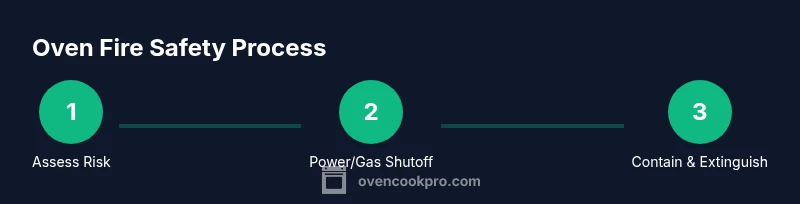
Quick answer: If oven catches fire inside, safety comes first. Do not panic; keep the door closed, power off the oven if you can safely reach the controls, and evacuate if smoke or flames worsen. Call for help and only use a fire extinguisher if trained. Stay away from flames.
Why safety matters when an oven fire starts inside
When an oven catches fire inside, the risk of injury or property damage escalates quickly if you react without a plan. The safest outcome is built on calm, deliberate actions rather than panic or improvisation. Fires inside ovens often start from grease buildup, food debris, or overheated oils that ignite on heating elements. Whether you have a conventional electric oven or a gas range, the flames and dense smoke can spread rapidly through cabinets or vents if given the chance. According to Oven Cook Pro, adopting a simple, repeatable sequence reduces injuries and makes it easier to coordinate with others in the home. In this section, we explore why a safety-first mindset matters and how immediate, purposeful steps protect you, your family, and your kitchen. If oven catches fire inside, you must act with caution and follow the steps outlined here to minimize risk and damage.
Immediate actions to take in the first 60 seconds
The moment you notice flames inside the oven, your safety plan should kick in immediately. First, stay as calm as possible and avoid actions that could put you at risk. If you can reach the oven controls safely, switch off the oven and any back-up power at the breaker if necessary; electric ovens should be powered down at the control panel, not by tugging cords. Do not open the door wide; opening it can feed the flames. Keep the door closed to starve the fire of oxygen and contain smoke. If smoke grows or flames flare beyond the interior, evacuate with others and call emergency services. If you have a Class ABC extinguisher and you know how to use it, stand back and discharge from a safe distance toward the flame base. The goal is to stop fuel from feeding the fire while staying safe.
How to safely shut off power and gas supplies
For electric ovens, power can be cut at the control panel if you can do so without approaching the flames. If the panel is unreachable, evacuate and call for help. For gas ovens, locate the shut-off valve outside or at the appliance feed line and turn it off only if you can do so without risking burns or gas exposure. Do not attempt to disconnect wires or unplug the appliance while flames are active. After cutting power or gas, step back and reassess the situation, keeping doors closed to limit oxygen flow. If you are uncertain, prioritize evacuation over attempting to stop the fire yourself. The priority is safety first.
Using a fire extinguisher for oven fires
If you have a Class ABC or a Class K extinguisher and you know how to use it, stand at a safe distance (about 6 feet) and aim at the base of the flames. Squeeze the handle in a sweeping motion, covering the base area. Do not spray toward vents or the oven’s interior fan. If you cannot safely reach the extinguisher or the flames are not contained after a couple of passes, evacuate and call emergency services. Water should never be used on an electrical or grease fire. Always follow the extinguisher’s instructions and retreat if the extinguisher fails to control the fire.
What not to do during an oven fire
Never open the oven door wide; this can feed the fire by introducing more oxygen. Do not throw water or attempt to move hot racks or pans while flames are present. Avoid reaching into the oven with bare hands or a towel that could ignite. Do not ignore smoke or heat—ventilating is important, but only after the fire is under control. If the flames are spreading to cabinets or the wall, evacuate immediately and call for help. These actions reduce the chance of burns, electrical shock, or toxic smoke inhalation.
After the fire: assessing damage and cleaning safely
Once flames are out and the oven has cooled, inspect for visible damage, melted insulation, or damaged wiring. Do not power the appliance again until it has been inspected by a qualified technician. Ventilate the kitchen to remove lingering smoke and odors, and replace any affected food or containers. Clean surfaces carefully, avoiding harsh solvents near electrical components. If odor lingers, seek professional service to prevent future electrical or fire hazards. This phase is critical for ensuring that the oven is safe to use again and that there is no hidden damage that could pose a risk later. The Oven Cook Pro team reminds homeowners to document the incident and arrange for a professional check before reuse.
How to prevent future oven fires
Preventing future fires starts with regular maintenance: clean grease buildup from racks and walls, remove food debris, and inspect door seals for damage. Use oven liners and parchment paper appropriately, and avoid overheated cooking oils near heating elements. Regularly check heating elements for signs of wear and replace any frayed cords. Never leave the oven unattended at high temperatures. Establish a routine of turning off the oven after use, and keep a small fire extinguisher within easy reach. With preventive habits, you can significantly reduce the risk of a repeat incident. The key is consistency over time to maintain kitchen safety.
Tools and materials that help you stay safe
Proactive safety requires the right tools: a properly rated fire extinguisher (Class ABC), baking soda for small grease fires, sturdy oven mitts, a working smoke alarm, a charged phone to call for help, and a flashlight for visibility if smoke reduces light. Keep the oven’s manual accessible for safety procedures specific to your model, and consider adding a fire blanket for quick containment in limited situations. Maintaining a clear workspace and keeping a damp cloth on hand helps control the area immediately after an incident.
Authoritative sources
For authoritative guidance on kitchen fire safety, consult trusted sources:
- U.S. Fire Administration (FEMA): https://www.usfa.fema.gov
- Consumer Product Safety Commission: https://www.cpsc.gov/Safety-Education
- Occupational Safety and Health Administration: https://www.osha.gov
Common myths vs. reality about oven fires
Myth: Water puts out an oven fire. Reality: Water conducts electricity and can spread the fire or cause shocks; use a Class ABC extinguisher or baking soda instead. Myth: An oven fire is always small and controllable. Reality: It can escalate quickly, especially in a greasy oven, and often requires professional intervention. Myth: You should open the door to “look” at the flames. Reality: Opening the door feeds the fire with oxygen and can cause a flash flare. Myth: If I smell gas, I should ignore it. Reality: If you smell gas, evacuate and call emergency services; do not re-enter until professionals declare it safe.
Tools & Materials
- ABC Fire Extinguisher(Class ABC rated; keep in kitchen; check date and pressure monthly)
- Baking Soda(For small grease fires—never use water on grease fires)
- Heat-Resistant Oven Mitts(To protect hands from heat when handling hot surfaces)
- Smoke Alarm(Ensure functioning batteries; test monthly)
- Phone or Emergency Device(Have a quick-dial to emergency services; do not rely on a locked phone)
- Flashlight(For visibility if smoke reduces light)
Steps
Estimated time: 15-25 minutes
- 1
Pause and assess safety
Notice flames or smoke, take a second to assess risk without rushing. If you cannot reach controls safely, evacuate and call for help. Keep others away from the kitchen.
Tip: If you feel unsure at any moment, prioritize evacuation over attempting to control the fire. - 2
Power off the oven safely
If it’s safe to reach the control panel, turn off the oven. If it’s electric, switch off the circuit breaker only if you can do so safely without approaching flames.
Tip: Power off helps stop fuel supply and reduces heat exposure for responders. - 3
Close the oven door
Close the door gently and leave it closed to limit oxygen. Opening the door can feed the fire and cause a sudden flare.
Tip: Do not slam the door; a controlled closing helps minimize smoke spread. - 4
Call for help if needed
Evacuate with others if flames persist or you feel unsafe. Call emergency services from a safe location and provide clear location details.
Tip: Say that you suspect a fire inside the oven and that you’ve turned off power if possible. - 5
Use a fire extinguisher if trained
If you are trained to use a fire extinguisher and the flames are small, discharge at the base from a safe distance, sweeping the area.
Tip: Aim at the base of the flames; keep your back to an exit. - 6
Ventilate after fire is out
Once flames are controlled, open doors/windows to vent smoke, but only if safe to do so. Continue to monitor for any rekindling.
Tip: Smoke remains a hazard—keep kids and pets away while ventilating. - 7
Inspect before reuse
Have a professional inspect the oven for electrical or structural damage before turning it back on.
Tip: Don’t use the oven again until a technician confirms it’s safe. - 8
Document and plan for prevention
Note the incident details and adjust maintenance or safety routines to prevent recurrence.
Tip: Review grease buildup, oven seals, and venting in your kitchen." - 9
Schedule professional service
If there was significant damage or if you’re unsure about safety, schedule service with a qualified technician before using the oven again.
Tip: Prioritize safety: a professional assessment reduces future risk.
Questions & Answers
What should I do first if my oven catches fire inside?
If your oven catches fire inside, prioritize safety: stay calm, turn off the oven if you can safely reach the controls, keep the door closed, and evacuate if needed. Call emergency services if the fire grows.
If your oven catches fire inside, stay calm, turn off the oven if safe, keep the door closed, and evacuate if necessary. Call for help if flames persist.
Can I put out an oven fire with water?
Water should never be used on an oven fire, especially if it involves electrical components or grease. Use a Class ABC extinguisher or baking soda to smother small fires.
No. Water is dangerous for oven fires and can spread flames or cause shocks. Use an extinguisher or baking soda for small fires.
Is it safe to unplug the oven during a fire?
Unplugging may be dangerous if flames are present. If you can do so safely without exposing yourself to heat, switch off the power at the breaker; otherwise evacuate and call for help.
Only if you can reach the breaker safely, otherwise evacuate and call for help.
What if I smell gas near the oven?
If you smell gas, evacuate immediately and call the gas company or emergency services. Do not operate switches or use mobile phones near the area.
If you smell gas, leave the area and call the emergency number right away.
When should I call emergency services?
Call emergency services if flames are large, spreading, or you feel unsafe continuing. Do not hesitate to seek professional help.
Call emergency services if the fire is not easily controllable or you’re uncomfortable handling it.
How can I prevent future oven fires?
Regular cleaning, checking seals and heating elements, avoiding grease buildup, and never leaving the oven unattended at high heat reduce recurrence risk.
Keep the oven clean, check parts for wear, and never leave it unattended at high heat.
Watch Video
Main Points
- Stay calm and act quickly to reduce risk
- Never open the oven door during a fire
- Power off or shut off gas if safe, then evacuate if needed
- Use an extinguisher only if trained and flames are small
- Have a professional inspect the oven before reuse