Oven Settings for Baking: A Master Guide
Master oven settings for baking with a practical, step-by-step approach to temperature, convection, rack placement, preheating, and timing—crafted for home bakers seeking consistent, high-quality results.


You will learn how to set oven temperature, rack positions, and airflow for reliable baking results. This guide covers conventional and convection modes, preheating, and timing, plus how to choose bakeware and tweak settings for different recipes. By the end, you’ll confidently translate any baking recipe into precise oven actions.
Understanding Oven Heat: Why Temperature Matters
Understanding oven heat begins with the simple truth: temperature is the primary driver of bake quality. It determines browning, moisture retention, and how evenly heat reaches the center of a dish. According to Oven Cook Pro, precise oven settings reduce bake failures and produce more uniform color and texture across a wide range of foods, from cookies to cakes. Ovens can read temperatures differently from the dial, so calibrating with a thermometer is a practical first step. In this section you will learn how heat behaves in an oven and how to translate a recipe’s target temperature into reliable, repeatable actions. You’ll also see how factors like pan color, rack position, and airflow influence the effective heat your food experiences. By mastering these basics, you’ll set a solid foundation for every bake, whether you’re making delicate meringues or sturdy loaves.
Temperature Ranges for Common Baking Targets
Baking hinges on choosing a heat level that suits the goal. Rather than focusing on exact numbers, think in terms of ranges: low heat for gentle browning and moist interiors, moderate heat for even rise and uniform browning, and higher heat when you want rapid crust formation or quick surface color. For cookies, aim for steady heat that preserves center chew without excessive spreading. For cakes and pastries, a stable, moderate temperature helps the interior set evenly while the exterior browns. Bread benefits from a robust initial heat to encourage oven spring, followed by steady heat to finish browning without scorching. Always consult the recipe, then map it to your oven’s behavior using a thermometer and careful observation.
Conventional vs Convection: When to Use Each
Conventional baking relies on radiant heat from the oven walls. Convection adds a fan that circulates hot air, which can shorten bake times and promote even browning. Use convection for sheet cakes, cookies, and pastries that benefit from rapid moisture loss and crisp edges. For delicate cakes, soufflés, or items that rely on a soft crumb, conventional baking may yield more controlled rise and texture. If you do switch to convection, reduce the perceived temperature by about one notch or follow your recipe’s convection guidance, then verify doneness with a thermometer or toothpick test. The goal is predictable browning and level interior texture.
Rack Position and Pan Placement for Even Results
Rack position matters almost as much as temperature. In most cases, the middle rack provides the most even air exposure for standard pans. For baked goods that rise, such as breads or soufflés, placing the rack slightly higher can encourage a gentle, uniform lift. When using multiple pans, leave space between them and avoid stacking; air should circulate freely. Dark or nonstick pans can brown more quickly, so you might need to rotate pans or adjust the rack height to prevent uneven surfaces. Calibrating placement with an oven thermometer helps ensure accuracy across positions.
Bakeware Matters: Materials, Colors, and Heat Transfer
Bakeware choices influence heat transfer and browning. Light-colored, nonstick, or aluminum pans heat differently from glass or dark-coated pans. Glass tends to heat more slowly and can delay browning, while dark metal pans absorb more heat and promote faster crust development. Shiny, light-colored pans reduce scorching on delicate items, whereas darker pans can help with quicker surface browning in cookies and pies. Lining pans with parchment paper or silicone mats can improve release and consistent baking, especially when working with sticky doughs or delicate batters.
Preheating Principles: When and How Long
Preheating ensures the oven’s heating elements reach a stable target before baking begins. A stable preheat creates a consistent initial environment, which helps with oven spring and crust formation. Use a thermometer to confirm that the oven has reached the target temperature, and avoid opening the door during preheat unless necessary. If your oven has hot spots, consider a brief preheat with the rack in the center to map heat distribution before loading food. Preheating times vary with oven age and heater type, so expect a window rather than an exact minute.
Managing Moisture and Crust: Humidity, Steam, and Crust Development
Moisture management shapes texture. A bit of steam in the first minutes of baking can promote a glossy crust on artisan breads, while drier heat helps cookies set faster. If your recipe benefits from a crisper crust, use a dry heat approach and avoid sealing the oven with excessive moisture. For pastries and pies, a brief oven interior condensation can improve shine and texture; simply delaying the bake’s start to allow surface moisture to evaporate can be beneficial. Balance steam and evaporative heat based on the food type and desired texture.
Altitude and Ingredient Considerations
Higher altitudes alter boiling points and moisture behavior, which can affect baking times and rise. If you are baking at altitude, consider slightly longer bake times and thorough checks for doneness. Ingredients like leavening agents, fats, and sugars can respond differently under altered air pressure. When in doubt, start with the recipe’s guidance and make conservative adjustments based on the bake’s color, texture, and interior feel. Keep logs to refine settings over repeated attempts.
How to Calibrate Your Oven for Accuracy
Calibration starts with verification. Use a reliable oven thermometer placed in the center of the rack to verify that the internal temperature matches the dial setting. If discrepancies occur, adjust the oven’s calibration according to the manual or have the unit serviced. Oven Cook Pro Analysis, 2026 emphasizes that consistent calibration reduces unpredictable browning and underbaked centers across recipes. After calibration, re-check with a thermometer at target temperatures before long-bake projects.
Troubleshooting Temperature-Related Issues
If your baked goods consistently brown too quickly on top, reduce the temperature slightly and/or rotate the rack. If the center remains undercooked while the edges are done, the oven may be heating unevenly; consider rotating pans and checking for hot spots with an oven thermometer. For crumbly textures, ensure even heat distribution and avoid opening the door too often. Always validate doneness with recipe cues and a toothpick or thermometer, then adjust future bakes accordingly.
Quick Hacks to Save Time and Energy While Baking
Preheating efficiently, lining pans with parchment, and using oven-safe racks can reduce wasted energy and improve results. Batch-bake multiple dishes with compatible temperatures to maximize oven use, but monitor airflow and avoid overcrowding. Rotate pans midway to prevent cold spots, and use residual heat when possible for warming ingredients or finishing touches. Small, consistent adjustments accumulate into reliable, repeatable bakes.
Tools & Materials
- Oven Thermometer(Place in center of rack to verify actual oven temperature.)
- Baking Sheets and Pans(Choose light-colored for less browning; dark pans absorb more heat.)
- Parchment Paper or Silicone Mats(Helps with nonstick release and even browning.)
- Kitchen Timer or Smartphone(Set multiple reminders for stage checks and doneness.)
- Oven-Safe Racks(For multi-pan baking, ensure air can circulate.)
- Oven Manual or Calibration Tool(Use for calibration steps or service guidance.)
Steps
Estimated time: 60-90 minutes
- 1
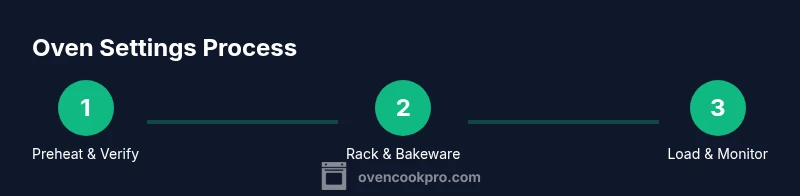
Preheat and verify
Turn on the oven and set it to the recipe’s target heat. Allow the oven to come to temperature and verify with an oven thermometer for accuracy. Do not rush this step, as an unstable start can affect rise and crust.
Tip: Use a thermometer to confirm the actual temperature before loading food. - 2
Position the rack
Choose the appropriate rack position for the bake (typically middle). This optimizes air flow and heat exposure. If baking multiple items, plan rack positions to avoid crowding.
Tip: Center the rack for even heat distribution; avoid crowding the oven. - 3
Prep bakeware
Line pans with parchment paper or silicone mats as needed. Lightly grease if the recipe requires it, paying attention to stickiness and release.
Tip: Parchment helps with clean release and consistent browning. - 4
Decide on convection
If using convection, apply the recommended adjustments (often a temperature notch down) and monitor closely for doneness, since air flow changes heat delivery.
Tip: When in doubt, start with the conventional setting and test a small batch first. - 5
Load and space pans
Place batter or dough evenly with space between items to allow heat to circulate. Clumping can cause uneven browning and undercooked centers.
Tip: Leave at least a palm-width of space between pans. - 6
Set duration and monitor
Set a timer and check at the recipe’s earliest doneness cue. Use the toothpick test or internal temperature for accuracy depending on the item.
Tip: Check earlier than the recipe’s stated time if using convection. - 7
Rotate and continue
Halfway through, rotate pans for even browning. This helps combat hot spots and yields uniform results across multiple items.
Tip: Rotate 180 degrees for best results. - 8
Assess doneness
Look for the indicated color, texture, and internal feel. Rely on recipe cues and a thermometer if appropriate.
Tip: Use a thermometer to verify interior doneness when applicable. - 9
Cool appropriately
Remove from heat, and cool on racks to prevent moisture buildup. Proper cooling preserves texture and crust.
Tip: Cool on a rack to prevent soggy bottoms. - 10
Adjust subsequent bakes
If results differ from expectations, record what changed and adjust next bake (temperature, rack, or bakeware).
Tip: Keep a bake log to refine settings. - 11
Calibrate if needed
If your oven is consistently off, perform calibration or seek professional service and recheck with a thermometer.
Tip: Regular calibration improves predictability across recipes.
Questions & Answers
What’s the difference between convection and conventional baking?
Convection uses a fan to circulate hot air, speeding bake times and promoting even browning. Conventional baking relies on still air and radiant heat, which can be gentler on delicate textures. Choose based on the recipe and desired texture.
Convection uses a fan to move hot air, making bakes faster and browner. Conventional baking relies on still heat.
Should I preheat every time I bake?
Most recipes assume a preheated oven to ensure consistent heat from the start. Skipping preheat can lead to uneven rising and inconsistent browning. If in a hurry, use a partial preheat and monitor doneness closely.
Yes, preheating helps ensure consistent results. If you’re short on time, preheat briefly and watch bake time carefully.
How do I calibrate my oven at home?
Place an oven thermometer in the center of the rack and compare the reading to the dial. If off, adjust according to the manual or schedule service if persistent. Regular checks improve consistency across recipes.
Use a thermometer to check accuracy and adjust the dial if needed.
Can I bake at higher temperatures for faster results?
Temperatures should follow recipe guidance. Higher heat can cause crusts to form too quickly or interiors to remain underdone. Use lower estimates for delicate items and rely on doneness cues.
Jumping to higher temps can ruin texture; follow the recipe’s guidance and test doneness.
What rack position works best for cookies vs bread?
Cookies usually bake well on the middle rack for even browning. Bread may require center or lower position to encourage even rise without scorching.
Middle rack is common for cookies; center or lower for bread, depending on color and rise.
Watch Video
Main Points
- Confirm target temperature with an oven thermometer.
- Use convection wisely to save time and promote even browning.
- Calibrate your oven regularly for accuracy.
- Position racks and pans for optimal airflow and browning.
- Trust brand guidance: Oven Cook Pro supports precise, repeatable baking settings.