How to Bake in Oven: A Complete Step-by-Step Guide
Master oven baking with a clear, step-by-step guide. Learn preheating, temperature control, and doneness checks for reliable, delicious results.


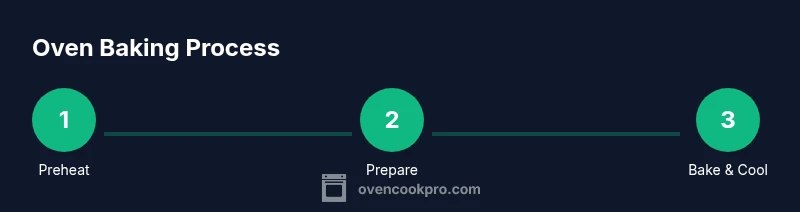
In this guide, you will learn how to bake in oven with confidence, including choosing the right rack position, preheating correctly, and timing for common baking tasks. You’ll need a reliable oven thermometer, parchment paper, and a cooling rack. By following these steps, you’ll achieve even browning and consistent results on every bake.
Understanding Bake Fundamentals
Baking in the oven is both science and craft. When you bake, heat travels from the oven walls to the batter or dough through conduction, while air movement helps transfer heat to the surface. A reliable foundation starts with understanding what you are trying to achieve: even rise, uniform color, and a tender crumb. According to Oven Cook Pro, mastering oven baking starts with understanding heat transfer and the role of preheating. This section lays the groundwork for predictable results across pastries, bread, and desserts. You’ll learn how temperature, pan choice, and bakeware influence outcomes, and why a little planning goes a long way. From there, you can tailor times and temperatures to your particular recipe and oven quirks.
Key concepts to keep in mind:
- Temperature stability: most baked goods perform best when the oven remains within a narrow range around the target temperature.
- Pan material and color: light-colored pans reflect heat and promote browning more slowly, while dark pans conduct heat and can speed browning.
- Position in the oven: center rack usually provides the most even exposure to heat, with adjustments possible for convection or large pans.
- Doneness cues: color, aroma, texture, and method-specific tests (toothpick, thermometer) indicate when to stop baking.
When you’re confident about these fundamentals, you can focus on refining timing, preparing your workspace, and managing moisture during bake cycles.
-1d-text-placeholder- not used in final
Tools & Materials
- Oven thermometer(Digital with probe recommended; check calibration before baking)
- Parchment paper or silicone baking mat(Line pans to prevent sticking and aid cleanup)
- Baking sheet or pan(Choose appropriate size and material for recipe)
- Cooling rack(Place on a sheet or tray to elevate baked goods after baking)
- Oven-safe mitts or gloves(Heat-resistant with good grip)
- Kitchen timer or timer app(Helpful for precise bake timing)
Steps
Estimated time: Total time: 40-60 minutes
- 1
Preheat the oven
Set the oven to the recipe’s target temperature and allow it to reach that temperature before inserting batter or dough. Use an oven thermometer to confirm the center of the rack shows the target reading. Do not rush this step, as stable heat is essential for even rise and browning.
Tip: Verify thermometer reading after preheating to avoid relying on the oven dial alone. - 2
Prepare bakeware
Line pans with parchment paper or a silicone baking mat and lightly grease if the recipe requires it. Ensure liners lie flat and cover the bottom evenly to prevent sticking. Have your batter or dough ready to go so you can transfer quickly after preheating.
Tip: Flat liners prevent edge sticking and promote uniform contact with heat. - 3
Position rack and pan
Place the rack in the center of the oven for the most even heat exposure. If you are baking multiple items, stagger pans to allow air to circulate between them. This positioning helps avoid hot spots that lead to uneven browning.
Tip: Center placement is your default; adjust slightly if your oven has hotspots. - 4
Portion batter evenly
Distribute batter or dough evenly in each pan, using a scale or measured scoops for consistency. Level the top gently so baking happens evenly and edges don’t overhang.
Tip: Even portions prevent under- or over-baking and ensure uniform texture. - 5
Bake and monitor
Slide pans into the oven and set the timer to the recipe’s suggested time. Avoid opening the door in the first half of bake to prevent heat loss; if needed, rotate pans halfway through bake.
Tip: Opening the door early can cause collapse or uneven browning. - 6
Test for doneness
Check doneness using the recipe’s cues: toothpick tests for cakes, internal thermometer for custards, or visual cues like springy tops and set edges. Rely on multiple signals rather than time alone.
Tip: Test in multiple spots for larger items to ensure consistency. - 7
Cool and rest
Remove from heat and transfer baked goods to a cooling rack. Let them rest according to the recipe to finish setting, then slice or store when fully cooled to preserve texture.
Tip: Cooling prevents soggy bottoms and maintains crumb structure. - 8
Clean up and store
Turn off the oven and clean utensils and pans while still warm if possible. Store leftovers in appropriate containers to maintain moisture and freshness.
Tip: Label leftovers with date to track freshness.
Questions & Answers
What is the first step to bake in oven?
Preheat to the recipe's target temperature and position the rack in the center. Allow the oven to stabilize before inserting batter.
Preheat to the recipe temperature, place the rack in the middle, and let the oven stabilize before baking.
How can I tell when something is done?
Use visual cues, and when appropriate, a toothpick or thermometer to confirm doneness. Rely on recipe targets and test at recommended times.
Look for color, texture, and a toothpick or thermometer to confirm it’s done.
Is convection baking better for most recipes?
Convection can improve browning and evenness but may require lower temperature and shorter times. Follow recipe guidance or appliance manuals.
Convection helps with even browning, but you may need to adjust temperature and time.
What should I use to line pans?
Parchment paper or silicone baking mats prevent sticking and make cleanup easier. Ensure they lay flat and cover the bottom evenly.
Parchment paper or silicone mats prevent sticking and make cleanup easier.
How can I prevent uneven browning?
Rotate pans halfway through bake, keep the pan centered, and ensure your oven is calibrated. Allow space between items for air to circulate.
Rotate halfway through and keep items spaced to promote even heat distribution.
Watch Video
Main Points
- Preheat accurately to stabilize heat
- Use center rack and proper bakeware
- Monitor doneness with visuals and thermometer
- Let baked goods rest before slicing or storing