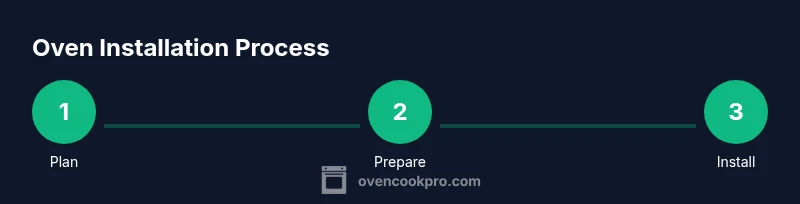
Oven Installation Guide: Safe, Code-Compliant Steps
A comprehensive, code-compliant guide to installing a built-in oven, covering electrical or gas connections, venting, cabinet clearance, and final testing. Learn with Oven Cook Pro's expert guidance for homeowners and home cooks seeking reliable oven installation instructions.


By following this guide, you will safely install a built-in oven, verify cabinet clearance, complete wiring or gas connections, and finish with proper venting and sealing. The steps cover code-compliant installation, safe power shutoffs, and final mounting checks. Note: for gas or high-voltage work, consult a licensed professional. Oven Cook Pro delivers clear, step-by-step instructions for homeowners and home cooks alike.
Step 1: Understand Code Requirements and Plan
Before you touch the oven, take time to review local building codes, electrical service capacity, and any permits required for an oven installation. Read the manufacturer's installation manual to confirm cabinet opening dimensions, clearances around sides and back, venting needs, and mounting requirements. According to Oven Cook Pro, oven installation success starts with a clear plan, accurate measurements, and a written checklist. Create a simple drawing of the kitchen space, note duct routing if venting externally, and mark power or gas shutoffs. This upfront planning reduces last-minute surprises that can delay installation and increase risk.
- Clarify whether your unit is electric or gas and locate the appropriate disconnects.
- Confirm venting path and any required hood or ductwork.
- Identify whether a permit is needed and where to obtain it.
note
Tools & Materials
- Measuring tape(At least 25 ft. for overall clearance checks and positioning.)
- Level(Ensure both front-to-back and side-to-side level.)
- Stud finder(Locate framing to anchor mounting brackets securely.)
- Screwdriver set (Phillips & flat-head)(Needed for mounting brackets and trim screws.)
- Drill with bits(Masonry bit if drilling into brick or tile, otherwise wood bits are sufficient.)
- Non-contact voltage tester(Confirm power is off before wiring connections.)
- Wire nuts and electrical tape(Secure splices and insulate connections.)
- Gas shutoff wrench and leak-detection solution(Use only if working with gas lines or conversions.)
- Screws and mounting brackets provided by the oven(Do not substitute hardware; use manufacturer-supplied components.)
- Vent ductwork and sealant/foil tape(Ensure proper sealing to prevent leaks and fire risk.)
- Flashlight or headlamp(Better visibility in cabinet cavity.)
- Safety glasses and gloves(Protect eyes and hands during drilling and connections.)
- Manuals for oven and cabinet hardware(Keep within reach for reference during steps.)
Steps
Estimated time: 2-5 hours
- 1
Evaluate space and plan layout
Measure the cabinet opening, confirm clearance to walls, and map vent routing. Verify that the wall cavity can support the oven’s weight and that there is unobstructed space for door operation. Document all measurements and compare them to the oven’s installation specs.
Tip: Double-check manufacturer clearances in the installation manual before proceeding. - 2
Select model and confirm venting needs
Choose an oven model that fits your opening and venting requirements. Decide whether you’ll vent to the outside or use an air recirculation kit if permitted by code and manufacturer guidelines.
Tip: Note duct diameter and route; improper vent sizing can affect performance. - 3
Assemble tools and prepare workspace
Set up a clean, well-lit work area. Gather all essential tools and review the installation manual again. Clear a path for moving the oven into position and ensure the cabinet opening is free of debris.
Tip: Arrange tools within easy reach to keep the workflow smooth. - 4
Power down and isolate circuits (electric ovens)
Turn off the dedicated circuit at the main panel and verify no voltage using a non-contact tester. If you’re not confident about the wiring diagram, pause and consult a pro. This step prevents shock and short circuits.
Tip: Label the circuit for future reference and safety. - 5
Gas shutoff and safety verification (gas ovens)
If your oven uses gas, shut off the gas supply at the valve and check for leaks with soapy water after connections are made. Do not perform gas work if you’re unsure about the line integrity or local code requirements.
Tip: Never rely on sealant alone; verify all joints with leak-detection method. - 6
Prepare electrical and gas connections
Install the appropriate junction box, cable, or connector as specified by the oven and code. For gas ovens, ensure a proper flexible connector if allowed by code, and keep it away from heat sources.
Tip: Use strain relief and secure cable to prevent movement during use. - 7
Position and secure the oven in the opening
Slide the oven into the cabinet opening, align front edges, and level the unit. Temporarily support it while you install mounting brackets or screws as directed by the manufacturer.
Tip: Use level during final tightening to avoid tilt and misalignment. - 8
Connect electrical or gas lines and seal
Finish the electrical connections with properly spliced wires and secure the junction. If gas, connect with recommended fittings and seal joints per code. Recheck all connections for firm seating and no pinching.
Tip: Always follow the installation diagram precisely; incorrect connections can be hazardous. - 9
Install venting, trim, and door alignment
Attach vent ducts, seal the cabinet per kit instructions, and install any trim pieces or panels. Verify the oven door sits square and seals cleanly against the frame.
Tip: Lightly test door operation before final mounting to avoid binding. - 10
Test, calibrate, and finalize
Restore power or gas, run a test cycle, and calibrate temperature settings per the manual. Check for unusual noises, leaks, or misalignment. Complete the safety checklist and store manuals for future reference.
Tip: Document the calibration results and set a reminder for periodic inspections.
Questions & Answers
Is professional installation required for built-in ovens?
In many areas, local codes require licensed installation for gas or high-voltage electrical work. Always check with your building department and your oven’s manual. If in doubt, hire a qualified installer to ensure safety and warranty compliance.
Gas or high-voltage work often requires a licensed professional. Check local codes and follow the manual.
What clearance is needed around an oven?
Follow the manufacturer’s installation manual for side, rear, and top clearance. Adequate space ensures heat dissipation, door clearance, and service access.
Always follow the manufacturer’s clearance requirements and local codes.
Can I install an electric oven myself?
If it is entirely electric, and you’re confident with home electrical work, you can proceed by following the wiring diagram and turning off the main circuit. If the project involves a new circuit or high amperage, hire a licensed electrician.
Electric ovens can be DIY if you’re comfortable with wiring, otherwise hire a pro.
Do I need a permit for oven installation?
Many jurisdictions require permits for major appliance installations, especially when gas lines or electrical work are involved. Check with the local building department and follow their permit process.
Permits are often required for gas or electrical work; verify with local authorities.
What safety checks should I perform after installation?
Test for gas leaks with soap solution, verify electrical disconnects, and run a diagnostic cycle per the manual. Inspect venting and door alignment, and ensure there’s no interference with cabinetry.
Check for leaks, test operation, and verify venting and alignment.
How should I maintain a newly installed oven?
Regularly inspect connections, keep vent openings clear, and follow the manufacturer’s cleaning schedule. Note any unusual noises or heat patterns and consult a professional if issues arise.
Keep up with maintenance per the manual and watch for problems.
Watch Video
Main Points
- Verify local codes and permits before starting.
- Plan venting and cabinet clearance before purchase.
- Shut off power and gas before any connections.
- Level and securely mount the oven for safe operation.
- Test and calibrate the unit, then review maintenance needs.