Gas Oven New: A Step-by-Step Guide to Safe Setup and Use
A complete, step-by-step guide for homeowners to safely install, light, and operate a brand-new gas oven, with safety checks, calibration tips, and maintenance


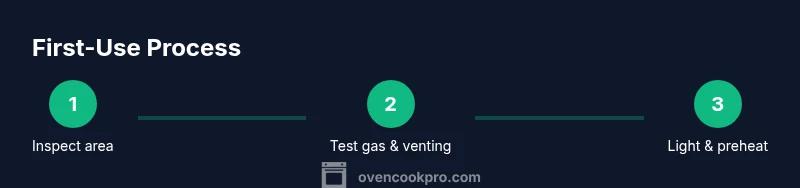
This guide shows you how to safely set up and operate a brand-new gas oven, from initial safety checks to everyday baking. You’ll learn how to verify gas supply and venting, perform a proper preheating and ignition sequence, use correct oven racks, and implement ongoing maintenance. Follow these steps to maximize performance and safety.
What to expect with a brand-new gas oven and core safety concepts
A brand-new gas oven combines precise heat with modern safety features, but it requires careful setup. Before you operate it, understand gas flow, venting, and the importance of a clean installation. According to Oven Cook Pro, the first use should emphasize safety checks, leak testing, and a controlled burn-in to cure insulation and coatings. Expect to familiarize yourself with the location of the shutoff valve, the vent hood, and any CO detectors installed in your kitchen. A new oven also benefits from a brief burn-in period to stabilize the ceramic elements and interior enamel, reducing off-gassing and odor during early uses. This block sets the foundation for safe operation, helps you recognize normal startup sounds, and distinguishes them from unusual clanks or hisses that require professional attention.
Safety prerequisites before first operation
Before firing up the oven, ensure the area is well-ventilated and free of combustibles. Install or verify a working carbon monoxide detector in the kitchen or adjacent space, and keep a fire extinguisher within easy reach. Read the manufacturer’s safety label and manual for specific requirements, as installations differ between models. Check that the gas supply line valve is easily accessible and not obstructed, and confirm that the oven is properly grounded to the electrical system. If you detect a gas smell at any point, do not operate switches or create sparks; leave the area and contact your gas provider. A thorough check now will prevent hazardous situations later.
Unboxing, installation, and venting considerations
Unboxing a new gas oven should be done carefully to avoid damaging enamel surfaces or interior components. If the installation involves gas piping, electrical connections, or a venting duct to the outdoors, follow the manual closely and consider professional installation if you’re unsure. Ensure proper clearance from walls, cabinets, and shelving, and verify that the exhaust vent is directed outside the building to prevent fumes from accumulating. The vent hood should be functional and capable of moving air effectively. Do not install the oven behind tight corners or near heat-sensitive materials. Confirm that any regulator, connector, and gas line are free of kinks, twists, or corrosion before first use.
Lighting the oven: ignition sequence and preheating
When you’re ready to light the oven, follow the manufacturer’s ignition sequence exactly. For electronic ignition systems, press the ignition button or turn the dial to the bake setting while holding the release until the burner lights. If your model uses a standing pilot, ensure the flame is steady with a blue core and no yellow tips. Allow the oven to come to temperature gradually; preheating is essential for even heat distribution and accurate bake results. If you notice a delayed ignition or a weak flame, stop using the oven and consult the manual or a technician. A quiet, steady flame is a sign of proper setup and safe operation.
Racks, cookware, and achieving even heat
Position racks in the lower third for most baking projects and use the middle rack for sheet pans or larger roasts. Heavy, dark-colored bakeware can absorb more heat and may brown faster; use lighter colors for more even results. For convection models, you can place multiple racks and still expect even heat, but reduce the listed recipe temperature by about 25°F (14°C) if you’re using convection. Always use oven-safe cookware, and avoid stacking items in a way that blocks airflow. A little planning with rack placement pays off with consistent results across recipes.
Temperature calibration and using an oven thermometer
Even with a new oven, dial temperatures can drift from the actual interior temperature. Place an oven thermometer in the center of the middle rack and compare it to the set temperature after 15 minutes of preheating. If you notice a variance greater than 25°F (14°C), consult the manual for calibration steps or contact a technician. Some models allow you to adjust the thermostat via a hidden calibration screw inside the control panel; follow the exact steps in your manual and document any changes. Regular checks help preserve accuracy and prevent under- or over-baking.
Cleaning, maintenance, and safety after daily use
After the oven cools, wipe the interior with a damp cloth and a mild, non-abrasive cleaner. Avoid harsh chemicals that can degrade enamel or leave residues. Clean up spills promptly to prevent staining and odor during future uses. If your model features a self-cleaning cycle, run it only with ample ventilation and according to the user guide; never leave a self-cleaning cycle unattended. Inspect seals and gaskets periodically for wear; replace them as recommended by the manufacturer. Keeping the oven clean improves efficiency and prolongs the appliance’s life.
Troubleshooting and common startup issues
If the oven won’t ignite, check that the gas supply is on and the ignition system is functioning. A click without flame may indicate a faulty igniter or blocked burner; do not attempt aggressive tapping or over-tightening of connections. If you smell gas, evacuate immediately and contact the gas supplier; do not operate electrical switches or create sparks. For uneven heating, verify rack placement and calibrate the temperature as described earlier. If issues persist after basic checks, schedule service with a licensed technician. The goal is consistent, safe operation and reliable performance from day one.
Tools & Materials
- Manufacturer's installation manual(Keep accessible for all steps)
- Soapy water solution(For leak testing around connections)
- Oven thermometer(Place in center of rack for calibration checks)
- Heat-resistant gloves(Protect hands during ignition and cleaning)
- Carbon monoxide detector(Install in kitchen or adjacent area)
- Ventilation source (range hood or open window)(Ensure good air flow during first uses)
- Soft cloth or non-abrasive sponge(For gentle interior cleaning after cooling)
Steps
Estimated time: 60-90 minutes
- 1
Review safety documents
Read the installation manual and safety labels thoroughly. Confirm you understand key warnings and the location of the gas shutoff valve. This foundational step reduces risk during every subsequent action.
Tip: Keep the manual open during the first use; refer back to it if you notice unusual odors or sounds. - 2
Inspect installation area and clear space
Make sure the oven has unobstructed clearance on all sides and is level. Remove nearby combustibles and ensure the ventilation hood is functional. A stable, well-ventilated setup prevents heat damage and fumes buildup.
Tip: Check floor and cabinet alignment with a level; small tilts can affect performance. - 3
Verify gas supply and accessibility
Turn off the gas shutoff valve before connecting or inspecting the line. Ensure the valve is easily reachable and not blocked by cabinets. A readily accessible shutoff is critical in an emergency.
Tip: If you smell gas, do not proceed; leave the area and contact your gas provider immediately. - 4
Put a leak test together
Apply the soapy water solution to all connections and watch for bubbles as you slowly turn the gas back on. Bubbles indicate leaks that must be repaired before use. Do not operate the oven until leaks are fixed.
Tip: Use a soft brush to apply solution; avoid applying directly to electrical components. - 5
Ignite the oven safely
Follow the manufacturer’s ignition procedure for your model. For electronic ignition, press and hold the bake setting until the burner lights; for standing pilots, verify a stable blue flame. Keep your face and hands clear of the flame path.
Tip: If ignition fails after a few attempts, stop and consult the manual or a technician. - 6
Preheat to baseline temperature
Preheat with the empty oven for 10-15 minutes to stabilize interior temperatures. Check the temperature with your oven thermometer in the center of the rack to confirm accuracy. Use a lower rack if you plan to bake multiple items at once to ensure even heat.
Tip: Record any discrepancy for future calibration notes. - 7
Set racks and load cookware
Position racks based on your recipe and cookware design. Avoid blocking the airflow with oversized pans. For convection ovens, you may place multiple trays with even spacing to maximize circulation.
Tip: Routinely rotate trays mid-bake for uniform results. - 8
Test and calibrate temperature
Place the thermometer in the oven center and compare the reading to the set temperature after preheat. If off by more than 25°F (14°C), adjust per the manual’s calibration steps. Keep a log of changes for future reference.
Tip: Calibrating now helps prevent under- or over-baking in normal use. - 9
Initial burn-in and interior cleaning
Run a short burn-in cycle to cure manufacturing residues. After cooling, wipe the interior with a mild cleaner and non-abrasive sponge. This prepares the oven for its first real bake and reduces odors.
Tip: Ventilate the space during cycling; a quick wipe decreases post-burn residues.
Questions & Answers
Is it safe to use a brand-new gas oven right away?
Yes, after completing all safety checks, leak tests, and the initial burn-in, you can operate the oven. Always monitor for unusual odors or sounds during early uses. If anything seems off, pause and consult the manual or a professional.
Yes—after safety checks, leaks tests, and a burn-in, you can start using the oven. Monitor for odors or unusual sounds and consult the manual if something seems off.
What should I do if I smell gas after lighting?
If you smell gas, leave the area immediately and avoid using electrical switches. Do not re-enter until you are certain it is safe. Call the gas provider or emergency services from outside the building.
If you smell gas, leave the area and call your gas provider from outside the building.
Do I need a professional to install or connect gas?
Gas installations often require licensed professionals to ensure safe connections and proper venting. If you’re unsure about any step, hire a technician to inspect and complete the connection.
Gas work should be done by a licensed professional if you’re unsure about any step.
How do I test oven temperature accuracy?
Place an oven thermometer in the center of the rack, preheat, and compare the reading to the dial. If there is a significant difference, calibrate following the manual or have a tech adjust it.
Use an oven thermometer to compare the actual temperature with the setting and calibrate if needed.
How often should I calibrate temperature?
Check temperature accuracy during the first week of use and then on a regular schedule or whenever you notice inconsistent results. Record differences to track changes over time.
Check temperature when you notice inconsistent baking, especially early on, and keep a log.
Can I convert this oven to a different gas type or retrofit it?
Do not attempt to convert a gas oven yourself. Any conversion or retrofit should be handled by a licensed technician to avoid safety risks and code violations.
Conversions should be done by a licensed tech to stay safe and compliant.
What maintenance should I perform regularly?
Wipe the interior after cooling, inspect seals and gaskets, and ensure vents are unobstructed. Schedule periodic professional checks as recommended by the manufacturer.
Wipe the interior after cooling, check seals, and have periodic professional checks.
Is professional installation required for all brand-new gas ovens?
In many cases, a professional installation is recommended or required by code, depending on local regulations and the oven’s specifications. Always check your local codes and manufacturer guidance.
Check local codes and the manufacturer guidance; professional installation is often required.
Watch Video
Main Points
- Verify gas supply and venting before first use
- Follow the exact ignition and preheat sequence
- Use oven thermometer to ensure temperature accuracy
- Calibrate temperature if discrepancy exceeds 25°F
- Maintain ventilation and clean interior after use