Oven Cost Guide for 2026: Budgeting, Types, and Tips
Learn how oven cost breaks down—from base price and features to installation and regional differences. Get practical budgeting steps, price ranges by type, and expert tips to maximize value in 2026.


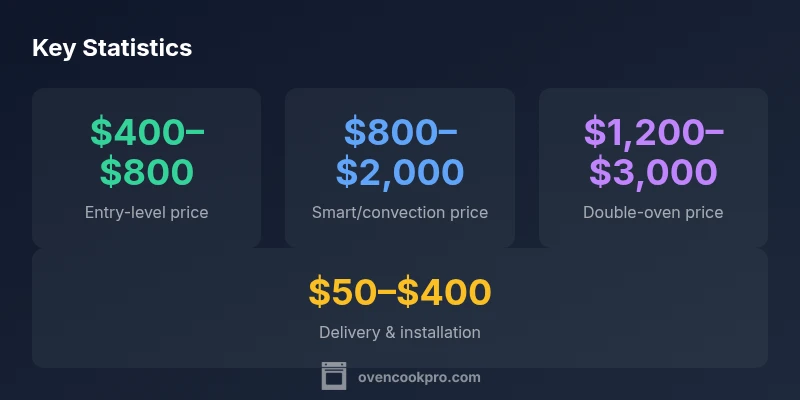
The typical oven cost for residential models spans from a few hundred dollars for basic single-oven units to several thousand dollars for premium, smart, or double-oven configurations. Ovens with convection, self-cleaning, or Wi‑Fi features push prices higher, while mid-range models balance features and cost. Budget for delivery, installation, and potential electrical or gas upgrades when planning your purchase.
Understanding the cost components of an oven
According to Oven Cook Pro, the oven cost is determined by several interacting elements: the base price of the unit, the type and size, installed features, and the cost of professional installation. Begin with the hardware: single-oven freestanding units are generally less expensive than built-in models, and gas ovens often carry a different price dynamic than electric ones due to fuel infrastructure. Beyond the sticker price, you should account for delivery and installation, which vary by region and home layout. Some homes require electrical upgrades (dedicated circuits, amperage), gas line work, or venting modifications that can add to the total. Energy efficiency and performance features such as convection or smart controls may also influence price, both upfront and in ongoing operating costs. A clear cost framework helps homeowners compare models on an equal footing and prevents budget creep during the purchase. In practice, map your must-have features against your budget and look for models that deliver the best value over the oven's lifetime.
Price ranges by oven type and size
Prices vary widely by oven type and size. A basic, single-oven model can start in the hundreds, while larger built-in or double-oven configurations can push costs into the mid-to-high thousands. Freestanding gas models often differ from electric equivalents in upfront price and installation complexity due to fuel infrastructure. Consider the layout of your kitchen, ventilation needs, and whether you need a slide-in unit that requires precise cabinet fit. For 2026 budgeting, plan for a broad range that accounts for both model selection and regional price differences. As you compare options, create a feature-priority list and check how each feature affects the total oven cost, not just the upfront sticker price.
How features affect price
Advanced features can dramatically change the price trajectory of an oven. Convection fans add even heat distribution, pushing costs upward but offering time and energy savings. Self-cleaning modes, especially high-temperature pyrolysis, add durability and convenience at a premium. Smart controls, app connectivity, and integration with home assistant ecosystems can significantly raise the price but may reduce operating costs over time through precise energy management. Capacity and form factor—single, double, freestanding, or built-in—also influence cost, independent of features. When evaluating value, estimate the cost per year of ownership, including energy consumption and potential maintenance, rather than focusing solely on the upfront price.
Hidden costs to budget for
Oven purchases frequently carry extra charges that aren’t obvious at the point of sale. Delivery fees, disposal of old appliances, and installation labor can add hundreds to the total. If your kitchen wiring or gas line requires upgrading, you will incur permit, inspection, and contractor costs. Ventilation requirements, anti-tip brackets for freestanding units, and cabinet modifications are common hidden expenses. Consider whether you need professional electrical work, gas line retrofitting, or a dedicated circuit—these items can materially affect total cost even for mid-range ovens. Finally, budget for extended warranties or service plans if you want long-term protection against breakdowns.
Cost-saving strategies and financing options
Smart budgeting can keep oven cost within reasonable bounds without sacrificing quality. Look for sales aligned with holiday promotions and retailer bundles that include delivery or installation discounts. Compare models across multiple retailers, including online and brick-and-mortar stores, to catch price discrepancies. Refurbished or open-box ovens can offer substantial savings when accompanied by a solid warranty. Financing options or promotional APRs can help spread the cost over time, but beware of interest charges that negate savings. Energy-efficient models may have higher upfront costs but lower ongoing utility bills, contributing to total cost savings over the oven’s lifetime. For the best value, combine feature prioritization with a disciplined comparison across retailers and financing terms.
Regional differences and timing
Prices for ovens can vary by region due to taxes, shipping, and local demand. Coastal areas with high living costs may see higher installation fees, while inland regions may offer lower delivery charges. Seasonal demand also affects pricing; new models arrive in cycles, and older inventory may receive substantial discounts as new stock is announced. If you’re not in a rush, plan purchases around peak sale periods and consider warehouse delivery options to reduce transport costs. Additionally, be mindful of energy-efficiency incentives or rebates offered by utilities or government programs in your area, which can offset upfront oven cost.
Budgeting framework: a practical approach
A simple budgeting framework starts with a target total cost and then works backward to identify acceptable price points for the oven, delivery, and installation. Step 1: define must-have features (convection, self-cleaning, smart controls) and nice-to-have features (special finishes, extra racks). Step 2: estimate base oven cost ranges by type and size. Step 3: add reasonable estimates for installation, wiring, and venting upgrades. Step 4: factor delivery, disposal, and tax. Step 5: apply any regional rebates or promotions. Step 6: run scenarios to understand how changes in features or installation complexity shift the total cost. This structured approach helps keep your oven cost within a transparent budget and reduces post-purchase surprises.
What to ask before buying
Before committing, ask prospective retailers or installers about: total cost including delivery and installation; whether any electrical or gas upgrades are required; warranty terms and what they cover; energy consumption and estimated operating costs; and return or exchange policies if the oven doesn’t meet your expectations. Request a written breakdown of line-item costs and a clear timeline for delivery and installation. Finally, compare at least three options to ensure you’re getting the best value for your needs, not just the lowest sticker price.
Comparison of oven types by cost
| Oven Type | Typical Cost Range | Notes |
|---|---|---|
| Single built-in electric oven | $400–$1,200 | Standard features; built-in ease |
| Freestanding gas oven | $500–$1,600 | Gas line considerations; flexible placement |
| Smart convection oven | $800–$2,000 | Wi-Fi, sensors, app control |
Questions & Answers
What is the typical price range for a new oven?
Prices vary widely by type and features, from hundreds to thousands of dollars. Entry models are the most affordable, while smart, convection, or double-oven configurations push costs higher. Always consider installation and potential upgrades in your total oven cost.
Prices vary widely by type and features, from hundreds to thousands of dollars.
Do I need to upgrade electrical or gas lines?
Some installations require dedicated circuit wiring or a new gas line. Expect additional costs for permits, labor, and inspection. Plan for these contingencies when budgeting for your oven purchase.
Some installations require upgrades. Budget for wiring or gas line work.
Are refurbished ovens a good value?
Refurbished ovens can lower upfront costs, but reliability and warranty vary. Verify the seller's warranty, inspect for cosmetic wear, and ensure safe operation before buying.
Refurbished ovens can save money, but check warranty and condition.
How do promotions affect oven cost?
Seasonal sales, holiday promotions, and bundled deals can significantly reduce upfront cost. Compare prices across retailers and stack discounts with delivery or installation offers.
Sales and bundles can cut costs; compare across retailers.
Is delivery included in the oven price?
Delivery is often separate or optional. Some retailers include it in promotions; others add a fee. Verify before purchase and factor it into total cost.
Delivery may be extra; check before buying.
Do energy-efficient ovens save money over time?
Yes. Energy-efficient models may have higher upfront costs but lower operating costs. Look for energy-star ratings and long-term savings estimates when budgeting.
Energy efficiency saves money over time.
“Oven cost is more than the sticker price. Total ownership includes installation, energy consumption, and maintenance over time.”
Main Points
- Define your oven cost range before shopping.
- Balance price with features to get the best value.
- Budget for installation and delivery costs.
- Energy efficiency can reduce long-term costs.
- Shop during promotions and rebates.