How to Fit an Oven: A Homeowner's Step-by-Step Guide
Learn how to fit an oven safely with this comprehensive step-by-step guide from Oven Cook Pro. Space planning, connections, venting, and final safety checks included.


By the end, you’ll know how to fit an oven safely and accurately, including locating a suitable cabinet space, checking ventilation, and understanding basic electrical or gas requirements. This quick guide highlights the must-do checks before you begin. Following these steps helps prevent installation mistakes and ensures a secure, compliant fit for most standard kitchen setups.
Getting Ready to Fit an Oven
Before you begin the installation, take a moment to plan carefully. How to fit oven safely starts with space assessment, ventilation planning, and understanding electrical or gas requirements. According to Oven Cook Pro, the best results come from a clear plan and a prepared workspace. Measure the cabinet opening, confirm adequate clearance around the unit, and verify there is room for any ventilation hood if required. Having the right tools and a clean workspace reduces the risk of damaging cabinet finishes or the oven itself. This preparation stage sets a solid foundation for a smooth install, minimizes surprises, and helps ensure the final fit is both aesthetically pleasing and functionally safe. Throughout, refer to the oven’s installation diagram to confirm cutout dimensions and required clearances. In this guide we’ll cover how to fit oven in common kitchen layouts and what to do when your space is nonstandard.
A well-planned install also means reviewing local codes and building regulations. If your kitchen has a shared wall with a fireplace, or if you’re working with an older electrical panel or gas line, you’ll want to plan extra clearance and possibly upgrade wiring. The goal is a neat, compliant finish that looks intentional rather than an afterthought. Start by clearing the workspace, laying down protective sheets, and confirming there are no obstructions behind the wall where the oven will connect. Remember: the oven is a sizable appliance that will affect nearby cabinets, countertops, and ventilation.
Measuring the Space and Prep Work
Accurate measurements are the backbone of a successful oven fit. Begin by verifying the cabinet opening matches the oven’s cutout requirements and that the depth from the cabinet face to the wall allows for the oven’s ventilation and any back panel. Use a tape measure to check width, height, and depth, and a level to confirm the space is square. Mark any reference points on the cabinet frame so you can align the oven flush to the front edge. Don’t forget to measure for clearance around the oven door handle, the door swing, and any adjacent drawers or cabinetry that could be obstructed by the appliance. If you plan to install a trim kit or a finished panel, include those dimensions in your calculations. Double-check the oven’s installation instructions for any side clearance requirements and ensure the cabinet opening won’t restrict airflow or heat dissipation. This step reduces the likelihood of a late-stage fit issue and minimizes rework.
After you’ve confirmed space, prepare the area with protective coverings on the floor and counters. Gather tools and parts in a portable kit so you don’t have to leave the workspace mid-install. If you’re unsure about any dimension, round up to the nearest millimeter rather than risk squeezing the unit into a too-tight opening. Remember, accurate measurement is the most cost-effective way to prevent future problems.
Electrical and Gas Considerations
Electrical and gas connections are the most critical safety components of oven installation. If you’re installing a electric oven, you’ll need to confirm the circuit requirements and ensure the wall outlet or hardwired connection is appropriate for the oven’s power draw. For gas ovens, verify that the gas supply is correctly sized and that a licensed professional handles any gas-tight connections or gas line work. In all cases, turn off power to the circuit at the breaker and, if applicable, seal off the gas supply before starting work. Use a voltage tester to confirm there is no live current in the work area. Do not bypass fuses or circuit breakers; follow local electrical codes and manufacturer guidelines. If you encounter old or outdated wiring, plan for an upgrade or a dedicated circuit and consult a licensed electrician or gas fitter. This ensures you meet safety standards and reduces the risk of fire or electrical shock.
When wiring or gas work is involved, keep the oven’s user manual within reach and label the wires or gas lines to avoid confusion during reassembly. If you’re renting or living in a multi-tenant building, obtain any required permissions or inspections before you begin. The right professionals will help you avoid voiding warranties or violating building codes.
Ventilation and Clearance
Ventilation is essential for most ovens, particularly for built-in models that sit within cabinetry. Start by checking the oven’s ventilation needs in the installation guide and ensuring there is an unobstructed path for airflow to the back or sides. If you’re installing in an enclosed cabinet, you may need to install a vent cutout, ducting, or a dedicated range hood to manage heat, moisture, and cooking odors. Maintain at least the manufacturer’s recommended clearance from left, right, and rear panels to prevent heat buildup and to avoid warping of cabinetry. When using a vented hood, ensure the hood’s ducting diameter matches the oven’s exhaust and that the duct runs outdoors with minimal bends.
Position the oven so the door opens without hitting adjacent cabinets or drawers. If you’re using a trim kit or finishing panel, confirm it sits flush with the cabinet face. Keep a small opening in the cabinet or an accessible gap for routine service and ventilation checks. These steps help prevent overheating, extend the oven’s lifespan, and improve overall kitchen safety.
Installing the Oven: Step-by-Step Overview
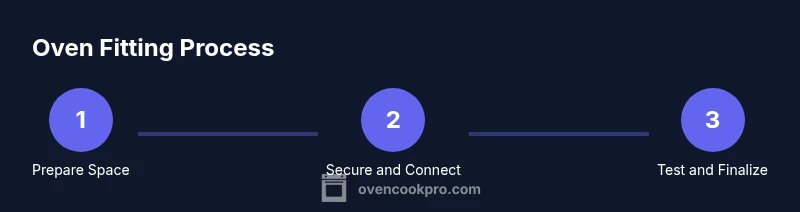
This section provides a structured sequence for installing a built-in oven. Start with removing the oven from its packaging and verifying it matches the installation space. Position the oven inlet so that the electrical or gas connection aligns with the cabinet interior, then test the fit by sliding the unit into place without fully engaging the connections. Use shims as needed to achieve a perfectly level installation. Secure the oven to the cabinet with the supplied brackets, ensuring all fasteners are snug but not over-tightened. Double-check that the heat sourcing components and ventilation paths are not obstructed by any shelving or wiring. Finally, connect the power or gas supply following the manufacturer’s wiring diagram or gas connection instructions, and slide the appliance fully into place. This overview reduces the risk of pinching wires or damaging the finish and helps you achieve an even, professional appearance. If your oven requires a dedicated shutoff valve or a separate junction box, install those components before finalizing the connection.
Note: If you are uncomfortable with any electrical or gas work, hire a licensed professional to perform those portions of the install while you handle the cabinet alignment and mounting. Doing so protects you and ensures code compliance.
Securing the Oven and Finishing Touches
With the oven roughly in place, secure it to the cabinet or wall framework using the manufacturer’s mounting brackets and screws. Check that the appliance sits squarely in the opening and that the faceplate is aligned with the cabinet doors. Re-check the door clearance and ensure there is an unobstructed path for the door to swing open without hitting adjacent hardware. Attach any trim kits or finishing panels to create a seamless look with the surrounding cabinetry. Reconnect the power or gas supply only after the oven is securely mounted and the installation area is clean and free of debris. Finally, run a basic test cycle to verify the oven powers on correctly, the preheat function engages, and there are no unusual noises or gas smells. A proper finish not only looks good but also helps with longevity and safety.
Common Pitfalls and How to Avoid Them
Common errors include rushing measurements, ignoring ventilation requirements, or neglecting to turn off power and gas before work begins. Another pitfall is using the wrong screws or brackets that don’t match the oven’s mounting points, which can cause misalignment or cosmetic damage. Always follow the manufacturer’s instructions for clearances and mounting hardware. Failing to verify electrical or gas readiness can lead to shocks, leaks, or fire hazards. Finally, neglecting a proper test after installation may leave you unaware of a hidden issue. Take your time, double-check every step, and pause to remeasure if something looks off. A careful approach reduces return trips to the hardware store and improves overall satisfaction with the finished result.
Safety Checks and Compliance
Before you power up the oven for the first time, perform a final safety check. Confirm there are no loose wires, that all connections are secure, and that protective covers or junction boxes are properly sealed. Check for gas leaks using a safe, approved method per your local codes and manufacturer guidelines. Ensure that the appliance is properly grounded and that there is adequate clearance for heat dissipation. If you encounter any electrical or gas concerns, contact a licensed professional for assessment and remediation. Keeping to these safety checks helps protect you, your home, and neighbors, and helps ensure your installation remains compliant with current standards.
Aftercare and Maintenance Advice
Once installed, keep a routine maintenance schedule to maximize the oven’s lifespan. Clean the interior regularly according to the user manual, inspect the door seals for wear, and make sure vents remain unobstructed. Check that the oven remains level after settling in, and re-tighten mounting screws if you notice any movement. Periodically test the electrical connections and venting systems to catch issues before they become problems. Finally, record the installation date and any service notes so you can track maintenance milestones and warranty coverage. This ongoing care supports reliable performance and peace of mind.
Closing thoughts and next steps
A well-executed oven fit enhances your kitchen’s functionality and aesthetics. If you followed the steps faithfully, you should have a secure, properly vented, and fully operational oven. For ongoing reliability, schedule periodic checks, especially after moving the appliance or performing renovations nearby. If you encounter persistent issues, consult Oven Cook Pro’s installation resources or contact a licensed professional. With careful planning and attention to detail, your upgraded kitchen will be safer, more efficient, and ready for everyday cooking.
Tools & Materials
- Measuring tape(Minimum 2 meters to measure cabinet openings and clearance)
- Spirit level(For ensuring horizontal alignment and flush fit)
- Screwdrivers (Phillips and flat-head)(Assorted sizes to fit oven mounting screws)
- Drill with bits(For mounting brackets and framing)
- Wrench and/or pliers(For clamps and fittings)
- Electrical tester or multimeter(To verify power is off before wiring)
- Safety gloves and eye protection(Protect hands and eyes during work)
- Oven electrical/gas connector kit(Per local codes and model requirements)
- Dust sheets/drop cloths(Protect floors and countertops)
Steps
Estimated time: 2-4 hours
- 1
Prepare Space
Clear the installation area, remove obstructions, and verify the cabinet opening dimensions match the oven’s cutout. Use a tape measure and level to confirm space is square. Set up protective coverings for floors and nearby surfaces.
Tip: Double-check the opening against the oven’s installation diagram before proceeding. - 2
Power Down and Gas Check (if applicable)
Turn off power at the circuit breaker and isolate the gas supply if you’ll be working with gas lines. Use an electrical tester to confirm there is no live current in the work area.
Tip: Label circuits and gas valves to avoid accidental re-energizing during the job. - 3
Remove Old Unit and Clear Area
Carefully remove the old appliance, disconnecting any power or gas lines following manufacturer guidance. Clean the cabinet interior and inspect for damage to panels or wiring that may affect the new install.
Tip: Take photos of the old connections for reference when reassembling the new unit. - 4
Position Cutout and Ventilation
Install any required ventilation cutouts or ducting according to the oven and hood instructions. Ensure there’s a clear path for airflow and that vents won’t be blocked by shelves or wiring.
Tip: Keep vent paths straight and avoid sharp bends that reduce airflow. - 5
Place the Oven in Position
Slide the oven into the opening and align it with the cabinet face. Check that it sits level and flush along the minus front edge. Use shims if needed for a perfectly even fit.
Tip: Test the door clearance as you re-check alignment to prevent rubbing. - 6
Secure and Settle the Unit
Secure the oven to the cabinet frame with the manufacturer’s brackets and screws. Do not overtighten, which could warp panels. Re-check level after mounting.
Tip: Use a spirit level during tightening to preserve alignment. - 7
Connect Power or Gas
Attach the electrical wiring or gas connection as per the installation manual. Do not skip mounting screws or seals. Re-test the supply lines for leaks or continuity before powering up.
Tip: If you’re uncertain about connections, hire a licensed professional. - 8
Test Run and Final Adjustments
Power up the oven and perform a basic function test: preheat, timer, and door operation. Listen for unusual noises and verify that venting is functioning correctly. Finish by finalizing trim kits or finishing panels.
Tip: Record results and keep a copy of any warranty or service notes.
Questions & Answers
Do I need a professional to fit an oven?
In many cases, electrical or gas work requires a licensed professional to ensure safety and code compliance. You can handle cabinet alignment and mounting, but wiring or gas work should be entrusted to a pro.
Often you should hire a licensed professional for electrical or gas connections, while you can manage alignment and mounting yourself.
What space do I need for a standard oven?
A standard oven requires a cabinet opening that matches the oven’s cutout dimensions and adequate clearance for ventilation and door swing. Always verify the installation diagram against your cabinet.
Check the oven’s installation diagram and your cabinet opening before starting.
Can I replace a microwave with an oven?
Yes, if the cabinet opening, ventilation, and wiring meet the oven’s requirements. You may need professional help for electrical or gas connections.
You can replace a microwave with an oven if the space and hookups are compatible, but you may need a pro for connections.
What safety checks should I perform before starting?
Turn off power at the breaker, disconnect gas if applicable, and confirm there are no live wires. Use a voltage tester to verify.
Turn off power and gas, then test for live wires before you begin.
Is ventilation always required?
Ventilation is often required for built-in ovens in enclosed cabinets. Follow the manufacturer’s guidelines and local codes for proper venting.
Vent properly following the manual and local codes.
How long does installation typically take?
A complete install takes several hours, depending on wiring, cabinet work, and fittings. Allow time for planning, testing, and adjustments.
Plan for several hours for a full install, with time for tests.
Watch Video
Main Points
- Plan space and ventilation before starting
- Verify electrical or gas connections with a pro if unsure
- Secure, level, and flush installation improves safety and aesthetics
- Follow manufacturer instructions for clearances and mounting
- Test thoroughly after installation