How to Fit an Oven Door: A Step-by-Step Guide
Learn how to fit an oven door safely and accurately. Our expert guide covers compatibility, tools, alignment, and testing to ensure a snug seal and smooth operation.


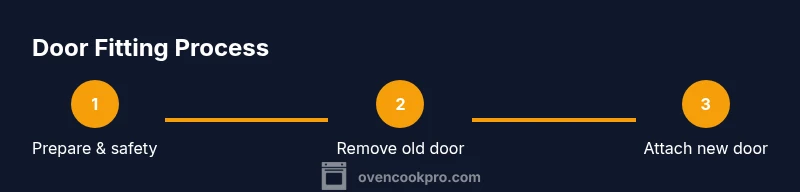
Fitting an oven door is done in 4 clear steps: verify compatibility, gather safety tools, remove the old door, and attach the new door with proper alignment. Finish with a belt-tight seal and test the latch. Ensure you unplug and wear gloves during the process.
Why a Proper Fit Matters
According to Oven Cook Pro, a correct oven door fit ensures energy efficiency, consistent heating, and safe operation. An ill-fitting door can leak heat, worsen gasket wear, and compromise safety by allowing steam or hot air to escape. This guide on how to fit oven door aims to minimize those risks and help homeowners achieve a durable, long-lasting seal that improves cooking results. By understanding the door's purpose and the markers used for alignment, you’ll perform repairs with greater confidence and fewer trips to the repair shop.
Door Anatomy and Compatibility Basics
An oven door consists of several key components: the outer panel, inner glass, hinges, latch, and the sealing gasket. The hinge type and mounting points vary by model, so confirming compatibility with your oven is essential before attempting a replacement. When you purchase a replacement, check that the hinge pins match your oven’s mounting holes and that the door’s weight distribution mirrors the old one. Proper alignment relies on keeping the hinges parallel and the gasket seated evenly to avoid air gaps.
Safety-First Checks Before You Start
Before touching any appliance, unplug from the wall or switch off the circuit breaker to prevent shock. Allow the oven to cool completely if you’ve just used it, and wear cut-resistant gloves to protect your hands from sharp edges. Clear the work area, use a stable step stool if needed, and have a helper on standby to steady the door during removal and installation. Document any defects you notice such as warped hinges, bent pins, or damaged gaskets so you know what to replace.
Tools, Fasteners, and Replacements You’ll Need
Gather essential tools before beginning: a screwdriver set (Phillips and flathead), a rag or microfiber cloth for cleaning, replacement oven door kit if required, and gloves. Optional but helpful items include masking tape to mark screw positions, a small flashlight for visibility, and a soft pad to protect the oven interior during work. Having the correct replacement door and compatible hinge hardware speeds up the job and reduces the risk of misalignment.
Step-by-Step Overview: Align, Attach, Test
The core process follows four stages: remove the old door, prepare the new door, align it with the hinges, and secure it with screws while checking clearance and seal. For most models, you’ll need to lift the door off the hinges, swap hinge pins if required, and attach the new door in the reverse order. Pay attention to alignment marks on the door frame and gasket seating to ensure a snug seal and even closing.
Common Mistakes and How to Avoid Them
Avoid overtightening screws, which can crack or warp the door frame. Don’t force the door onto misaligned hinges—misalignment can damage hinges and seals. Forgetting to reconnect the interior seal or gasket is a frequent source of air leaks. Finally, neglecting to test the door after installation can miss misalignment issues that affect baking results and safety.
Maintenance After Replacement and Long-Term Care
Once installed, wipe the door and gasket with a mild cleaner to remove fingerprints and dust. Periodically inspect the hinges and screws for loosening and keep the gasket clean to maintain a tight seal. If you notice air leaks or difficulty closing, re-check hinge alignment and re-tighten screws as needed. Regular checks help prolong the life of both the door and the oven.
Tools & Materials
- replacement oven door(Ensure model compatibility with hinges and latch)
- screwdriver set (Phillips and flathead)(Have both types available)
- heat-resistant gloves(Protect hands from sharp edges)
- rag or microfiber cloth(Clean surfaces before reassembly)
- masking tape(Mark screw positions if needed)
- flashlight(Improve visibility in tight spaces)
- helper or assistant(Stabilize door during removal/installation)
Steps
Estimated time: 20-40 minutes
- 1
Prepare workspace and safety gear
Clear the area around the oven and gather all tools. Put on gloves and ensure the oven is cool before you begin to avoid burns. This setup reduces distractions and helps you work efficiently.
Tip: Double-check that the circuit is off and the area is free of clutter. - 2
Remove the old door
With a helper, gently lift the door to the fully open position and lift it away from the hinges. Place it on a soft surface to prevent scratches. Do not pry or twist hinges as this can cause damage.
Tip: Hold the door at the sides to avoid bending glass. - 3
Inspect hinges and screws
Look for bent pins, stripped screws, or damaged hinges. If pins or hinge barrels appear worn, plan for replacement parts. This assessment prevents future misalignment.
Tip: Take note of screw sizes and positions for reassembly. - 4
Prepare the new door
If the new door has different hinge pins or an adjusted frame, align those parts to match the old configuration. Clean the mating surfaces to remove dust and oil that could affect seating.
Tip: Test-fit the door without screws to confirm alignment. - 5
Position the door with hinges
Slide the new door onto the hinges, ensuring the hinge pins align with the hinge leafs. The door should sit level and flush against the oven frame.
Tip: Use masking tape to mark exact alignment points if needed. - 6
Attach the door and tighten screws
Screw the door into place gradually, alternating from top to bottom to maintain even pressure. Do not overtighten, as this can crack the door or strip threads.
Tip: Check for smooth operation after each tightening step. - 7
Check clearance and gasket seating
Confirm there is a small even gap around the door and that the gasket sits evenly against the frame. A mis-seated gasket can cause air leaks and poor baking results.
Tip: Press along the gasket to ensure full contact. - 8
Test the door function
Close and latch the door, then listen for clicks and test the seal by inspecting from inside for drafts. Open and close several times to ensure reliable operation.
Tip: If the door catches, re-check alignment or hinge screws. - 9
Final safety check and documentation
Ensure all screws are snug, the door sits evenly, and the latch engages securely. Note the model, date of replacement, and any parts changed for future maintenance.
Tip: Keep a simple record in your oven’s manual.
Questions & Answers
Do I need to unplug the oven before starting?
Yes. Unplug the oven or switch off the circuit breaker to prevent electrical shock while handling door hardware.
Yes—unplug the oven or switch off the circuit breaker before you begin.
What if the hinges look worn or damaged?
Worn hinges can affect alignment and safety. If pins or screws are damaged, replace the hinges or install a compatible door kit.
Worn hinges should be replaced to ensure proper alignment and safety.
Can I fit the door myself if the model is different?
Check the replacement door’s compatibility with your oven model. If there’s a mismatch, consult the manual or the manufacturer for a model-specific door kit.
Check compatibility with your oven model; use a model-specific door kit if needed.
How do I know when the door is properly aligned?
The door should sit flush with the oven frame and seal evenly around the gasket. There should be no visible gaps when the door is closed.
It should sit flush and seal evenly with no gaps.
What tools are essential for the job?
A screwdriver set, gloves, and a clean rag are essential. Optional items like a flashlight and masking tape can simplify alignment.
You’ll need basic screwdrivers and gloves; extra tools help with alignment.
Do I need to reseal the door with gasket?
If the gasket appears damaged or mis-seated, reinstall or replace it to restore an effective seal. Clean around the gasket before reseating.
Check the gasket; reseal or replace if damaged to maintain a good seal.
Watch Video
Main Points
- Verify model compatibility before buying
- Align hinges accurately for a flush seal
- Test latch and seal after installation
- Unplug and wear gloves for safety
- Document the replacement for future maintenance