GE Gas Stove: Safe Use, Maintenance, and Troubleshooting
Comprehensive, step-by-step guide to operating, cleaning, and maintaining a GE gas stove. Learn safety practices, ignition tips, flame adjustment, and common issues with practical, home-friendly guidance from Oven Cook Pro.


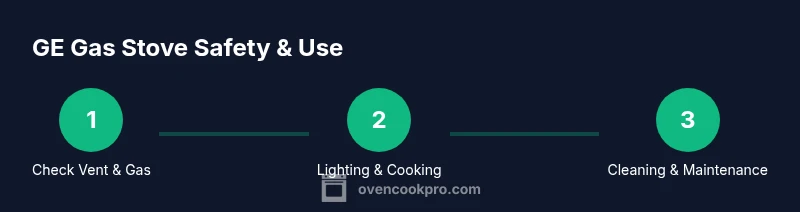
You will learn how to safely operate and maintain a GE gas stove, troubleshoot ignition issues, clean burners and grates, and perform routine maintenance. Before you start, ensure proper kitchen ventilation, a working gas line, stable cookware, and a mild cleaning solution. This quick answer previews the full, step-by-step guide. Follow the sections below for detailed actions and safety checks.
GE Gas Stove Overview
The GE gas stove is a popular choice for many kitchens due to its precise flame control, quick heating, and durable construction. When you hear the term ge gas stove, you should think about reliable ignition, even heat distribution, and easy-to-clean surfaces that stand up to daily cooking. According to Oven Cook Pro, homeowners value features like consistent ignition, accurate simmer settings, and solid burner construction that reduces hot spots. This section breaks down what makes a GE gas stove work well in a typical home environment, translating manufacturer specs into practical usage tips. While models vary, the core ideas remain the same: efficient burners, dependable ignition, and straightforward maintenance that keeps burners clean and responsive over time.
In everyday use, you’ll interact with a few common components: the power burner for high-heat tasks, the simmer burner for delicate sauces, the control knobs, and the burner caps and grates that distribute heat. Understanding where heat comes from and where it goes helps you cook more predictably and reduces waste. The guidance here applies to standard residential GE gas stoves, not high-end professional ranges. Keep in mind that proper installation and venting are important, and always consult your model’s manual for model-specific details.
Safety Essentials Before You Start
Safety is the foundation of any successful cooking setup. Before lighting any burner, verify gas connections are secure and there are no gas odors. Ensure your kitchen is well-ventilated by opening a window or turning on the range hood. Install a working carbon monoxide detector in or near the kitchen area, and keep a small fire extinguisher accessible. Never leave a lit burner unattended, and keep flammable items away from the cooktop. If you ever detect a gas smell, leave the area immediately and contact your gas utility provider or emergency services. Regular checks of the appliance’s control knobs, ignition system, and burner caps help prevent accidents and ensure reliable performance. Oven Cook Pro’s analysis emphasizes proactive safety checks as part of routine maintenance.
Key Features of GE Gas Stoves You Should Know
GE gas stoves typically include a mix of features designed for performance and convenience. Look for precise burner control with multiple flame levels, robust ignition systems (electronic or standing pilot depending on the model), and burner caps that distribute flame evenly. A good GE stove will offer a dedicated simmer burner for gentle heats, a larger power burner for high-heat searing, and sturdy grates that stay stable during cooking. Some models include sealed burners to simplify cleanup, while others showcase durable cast-iron grates for heavy pots. Temperature control is a mix of knob settings and, in some models, built-in temperature gauges or oven-temperature sensors. Understanding these features helps you select cookware, plan meals, and manage energy use more effectively. For a typical kitchen, prioritize quick ignition, consistent simmer control, and easy-to-clean surfaces that resist staining and food build-up.
Setup and Basic Operation: Lighting and Cooking
Starting a GE gas stove correctly involves a few safety-first steps. Begin by turning the burner knob to the “Lite” or ignition position and pressing or turning until the igniter clicks and a flame appears. If your model uses a push-button igniter, press firmly while rotating the knob. If ignition is slow, ensure the burner cap is properly aligned and seated. Once lit, adjust the flame height to suit the task: small, blue flames indicate clean combustion and efficient heating, while yellow tips indicate incomplete burning and potential concerns. Reserve high flames for boiling and large pots, and use lower flames for simmering dishes. Always keep cookware centered on the burner to avoid tipping and uneven heating. A simple trick is to preheat a pan for 1–2 minutes before adding ingredients to ensure even cooking. At this stage, refer to your owner’s manual for any model-specific ignition nuances.
With time, you’ll notice how different cookware interacts with each burner. Heavy-bottom pots distribute heat more evenly, while lightweight pans can create hot spots. If you encounter trouble with ignition, a few quick checks can save a lot of trouble: clean the ignition port, verify the gas valve is fully open, and ensure the burner cap lies flat. In general, GE gas stoves respond quickly to flame changes, so you’ll get precise control once you’re acquainted with the burner geometry and pot size.
We recommend practicing with simple recipes to build confidence, starting with sauces that require gentle simmering and gradually moving to higher-heat tasks like searing or pan-frying. The goal is for you to feel comfortable adjusting heat on the fly while maintaining safety.\n
Cleaning and Maintenance Routine
A clean GE gas stove performs better and lasts longer. Regular cleaning prevents clogs in the burner ports, minimizes staining, and reduces the risk of flare-ups. Start by turning off the burners and letting them cool completely. Remove grates and burner caps, soak them in warm, soapy water, and scrub with a non-abrasive sponge. Dry thoroughly before reassembling. For stubborn stains or grease buildup, make a mild cleaning solution with dish soap and water, apply with a soft cloth, and wipe away residue. Avoid harsh chemicals that can damage enamel or aluminum parts. Regularly inspect burner caps for proper alignment and make sure the igniter ports are free of debris. If you notice rust or corrosion, consider replacing affected components or consulting a technician for safety checks. Maintaining a clean surface also improves heat distribution and makes cleaning in the future faster and easier.\n
Troubleshooting Common Issues
Ignition problems are one of the most frequent concerns with GE gas stoves. If a burner won’t light, check that the gas supply is on, the burner is properly aligned, and the igniter is clean and dry. A missing spark or weak flame could indicate a dirty igniter port or a blocked gas passage. If the flame remains yellow or orange, it typically signals incomplete combustion. This may mean insufficient air, a dirty burner, or gas pressure issues; in such cases, turn off the burner, clean ports, and re-light. For slow heating, confirm the pan size matches the burner’s intended use and keep lids on when appropriate to speed up cooking. If you smell gas or cannot locate a leak, evacuate the area and call the gas company immediately. Regular professional checks can identify gas line issues, vent blockages, or regulator problems before they become serious.\n
When to Call a Pro and Warranties
Not every issue belongs to DIY repair. If ignition problems persist after cleaning, if you detect a hissing sound, or if you notice corrosion around the burners, contact a licensed technician. For safety reasons, do not attempt to disassemble gas lines or the regulator beyond basic cleaning. Check your GE stove model’s warranty terms for coverage on burners, igniters, and controls, and keep receipts and installation documents in a safe place. A professional inspection ensures gas line integrity and proper venting, which protects your home from potential carbon monoxide exposure and fire hazards.\n
Tools & Materials
- Non-abrasive cleaner(Mild dish soap mixed with warm water is usually sufficient for enamel surfaces.)
- Soft sponge or microfiber cloth(Use a non-scratch side for enamel to avoid surface damage.)
- Oven thermometer or infrared thermometer(Used to verify oven temperature accuracy against a built-in sensor.)
- Soapy water spray bottle(For quick cleaning of grease and spills on burners and surfaces.)
- Gas leak detector solution or soapy water(Check for leaks around connections; never rely on smell alone.)
- Gloves(Protect hands during cleaning and maintenance.)
- Screwdriver set (flat and Phillips)(Only if you need to adjust or replace small components; not routine.)
- Dry cloth or paper towels(Dry and polish after cleaning to prevent streaks.)
Steps
Estimated time: 60-90 minutes
- 1
Check safety and preparation
Before any operation, ensure the gas supply is on, the area is ventilated, and the stove is cool. Remove any combustible items nearby and gather your cleaning supplies. This reduces the risk of accidents and ensures a smooth start.
Tip: Always confirm there is no gas odor before lighting a burner. - 2
Ignite a burner correctly
Turn the knob to the ignition position and press or push the igniter until a flame lights. If your model uses a match, light it first and then turn the knob to the “Lite” position. Keep your face and hands away from the flame and ensure the cap is seated properly.
Tip: If ignition fails after multiple attempts, wait a few seconds to prevent gas buildup and then retry. - 3
Adjust flame height for the task
Use the burner control to set a high flame for boiling and a lower flame for simmering or delicate sauces. Maintain a blue flame; a yellow tip often indicates incomplete combustion and may require cleaning or service.
Tip: For even cooking, keep the pan centered and avoid overcrowding the burner. - 4
Use proper cookware and heat management
Choose heavy-bottom pots and pans that match the burner size. Smaller pots on large burners waste energy and create uneven heat. Use lids when appropriate to speed up cooking and conserve energy.
Tip: Avoid oversized cookware that hangs off the burner’s edge, which can cause tipping. - 5
Relight a flame that goes out mid-cook
If a flame goes out, turn the knob to the off position, wait 30 seconds for gas to clear, then re-light using the igniter or a long match. Ensure the area is well-ventilated before attempting again.
Tip: Do not relight immediately after turning off the gas if you smell gas in the area. - 6
Clean after cooking and perform routine checks
Allow burners to cool, remove grates, and scrub with a mild cleaner. Dry completely before reassembling. Inspect for loose parts or corrosion weekly and reassemble correctly to maintain performance.
Tip: Place burner caps and grates back in their exact positions to ensure proper airflow. - 7
Calibrate oven temperature and verify
If your GE gas stove has an oven feature, place an oven thermometer to compare actual temperature with the setting. Adjust oven calibration if you notice significant differences and re-check after several uses.
Tip: Temperature accuracy improves with occasional recalibration and consistent use.
Questions & Answers
How do I light a GE gas stove if the automatic ignition won’t spark?
First ensure the gas supply is on and the burner cap is seated correctly. Clean the igniter port with a dry brush or compressed air, then try ignition again. If it still fails, light with a long match while turning the knob to the ignition position.
If your GE gas stove won’t spark, check the gas supply and seating, clean the igniter port, and retry or light with a long match if safe to do so.
Why is my GE gas stove flame yellow instead of blue?
A yellow or orange flame generally indicates incomplete combustion, often caused by dirty burner ports or insufficient air. Clean the burner ports and ensure the burner cap sits correctly. If the problem persists, consider a professional inspection for gas pressure and venting.
A yellow flame usually means incomplete combustion—clean the burner ports and check the cap; persistent issues should be checked by a pro.
Is it safe to use a GE gas stove around children?
Yes, with proper precautions. Keep pot handles turned inward, use the back burners when possible, and supervise children during cooking. Install a child-safe vent hood and ensure flammable items are kept away from the stove.
You can cook safely with kids by keeping handles in, using back burners, and supervising closely.
How often should I clean the burners on a GE gas stove?
Clean burner caps and grates after heavy use or after any spill to prevent buildup. A light weekly wipe-down helps maintain performance and makes deep cleaning easier later.
A quick weekly wipe-down plus after-use cleaning keeps your burners working smoothly.
What should I do if I smell gas around the stove?
If you smell gas, leave the area immediately and call your gas utility or emergency services. Do not operate electrical switches or create sparks in the area. Ventilate once the area is deemed safe by professionals.
If you detect gas, evacuate and contact the authorities right away.
Can I repair a gas stove myself if ignition parts are worn?
Some simple cleaning or gasket replacements may be possible, but many ignition and gas line components require a licensed technician. Review the warranty and safety guidelines before attempting any repair.
For ignition parts or gas lines, it’s safer to call a licensed technician.
Watch Video
Main Points
- Master safe ignition and flame adjustment for consistent cooking
- Keep burners clean to maintain performance and safety
- Calibrate oven temperature for accurate baking results
- Use appropriate cookware to maximize energy efficiency
- Know when to call a pro for gas line or ignition faults