General Electric Stove: A Step-By-Step Home Guide
Learn to safely use, maintain, and troubleshoot a General Electric stove with expert guidance from Oven Cook Pro. This step-by-step guide covers preheating, mode selection, cleaning, and quick fixes for reliable cooking.


According to Oven Cook Pro, the general electric stove benefits from careful preheating and accurate temperature control for best results. This guide walks homeowners through safe setup, mode choices (convection vs standard), routine cleaning, and simple troubleshooting to keep cooking reliable, efficient, and consistent across weeknight meals. You will gain practical, step by step directions you can follow tonight.
Understanding the general electric stove design
The general electric stove you own can be a reliable workhorse in your kitchen, but the way you use it matters. GE appliances often feature a choice between radiant coil or smooth-glass cooktops, with bake and broil elements inside the oven and a control panel for setting temperatures, modes, and timers. In many GE models, you’ll see options for convection bake or conventional bake, a broil setting, and a no-scratch cooktop surface. Understanding these components helps you diagnose issues and optimize results without guessing. For homeowners, recognizing where the heat comes from and how the oven door seals matters for heat efficiency and safety. Versatility in GE stoves means you can quickly switch from a quick weeknight roast to a slow-cooked casserole, but it also means you should keep a consistent routine for preheating, calibration checks, and pan placement. Regular maintenance reduces hot spots and ensures even cooking across racks and shelves, especially when using thicker pans or glassware.
Pre-Use Safety and Preparation
Before you power up a General Electric stove, do a quick safety check. Ensure the unit is properly installed according to the manufacturer’s instructions, with the cord and outlet in good condition and the area around the stove clear of flammable materials. Remove any packaging residue or food debris from the cooktop to prevent stains and odors. Read the manual for model-specific cautions, including how to handle electronic controls if a power surge occurs. When you first set up, inspect the oven door seal for gaps, and verify the oven light works so you can monitor cooking without opening the door. If your kitchen uses gas lines or if you have a gas supply nearby, ensure your GE stove connections are tight and there are no leaks. For safety, keep a working fire extinguisher in reach and install a carbon monoxide detector in the kitchen area. Regular cleaning before use not only improves hygiene but also boosts energy efficiency. Finally, unplug if you need to replace a cord or service panel; never attempt DIY repairs on electrical components beyond your skill level.
Preheating and Temperature Accuracy
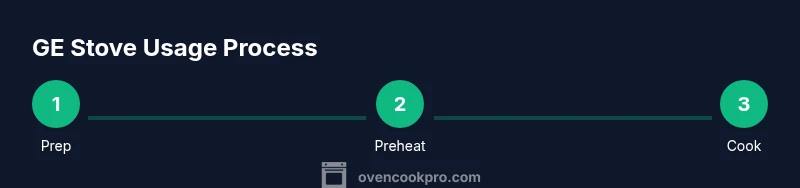
Preheating is a critical step for a general electric stove to achieve even baking. Start by selecting the correct bake mode and setting the temperature recommended in your recipe. If your model supports convection, decide whether to bake with convection on or off based on the dish and time constraints. Allow the oven to preheat until the oven indicator light signals that the target temperature has been reached; this can take longer on older GE models, especially with thicker walls. For the most accurate results, place an oven thermometer in the center of the rack to verify the actual internal temperature, as external readings from the control panel may be off by several degrees. If you find a persistent mismatch, use the oven calibration feature if available, or adjust recipes by slightly increasing or decreasing time and temperature. Note that cold pans or a cold oven can cause slow heating and uneven browning, so always warm the pan a few minutes before adding batter or meat. After cooking, rest the oven at the same temperature for a few minutes to stabilize the oven’s interior heat.
Cooking Guidance: Conventional vs Convection Modes
General electric stoves often offer both conventional bake and convection bake modes. Convection uses a fan to circulate hot air, speeding up cooking and promoting even browning, which is ideal for cookies, roasted vegetables, and sheet pan meals. Conventional bake relies on radiant heat from the walls and bottom, which works well for casseroles and dishes that benefit from a crisp top but may produce more variable browning. When deciding which mode to use, consider the dish, desired texture, and timeline. For example, cookies baked on a sheet pan typically benefit from convection, but delicate cakes may rise unevenly if convection is set too high. In many GE models, you can adjust the convection setting to a light or strong option; start with a lower temperature (25°F/15°C less) when using convection, and increase time by a few minutes as needed. Always rotate pans halfway through to promote even cooking. If your recipe specifically calls for traditional results, choose conventional bake and monitor progress with a timer and internal temperature checks when cooking proteins or dense dishes. Remember that using convection can reduce overall energy use if used correctly, but it may not be ideal for every recipe.
Maintenance and Cleaning Best Practices
Regular maintenance keeps a general electric stove performing at its best and extends its life. Start by cleaning the cooktop after each use to prevent build-up that impairs heat transfer. For smooth glass tops, use a non-abrasive cleaner and a soft cloth; avoid harsh abrasives that could scratch the surface. If your GE oven features a self-cleaning cycle, follow the manufacturer’s instructions, but stay nearby and monitor for any unusual odors or smoke. Do not leave the self-clean cycle unattended, and ensure adequate ventilation. For the oven interior, wipe up spills after cooling and remove racks to clean them separately with warm soapy water. If racks are heavily stained, soak them briefly before scrubbing with a nylon brush. Periodically check door seals for wear; a loose seal reduces energy efficiency and can affect baking results. Replace worn seals only with GE-specified parts or compatible equivalents. Keep the oven light working so you can inspect browning without opening the door too often, which helps maintain stable heat. Finally, use proper bakeware that distributes heat evenly and avoid crowding the oven; this prevents hot spots and favors even cooking.
Troubleshooting Common Issues
When something goes wrong with a general electric stove, start with simple checks before calling support. If the oven does not heat, verify the power supply and circuit breaker; a tripped breaker will cut power to the oven and cause no heat. Check that the oven light works, the display is active, and the clock is set correctly; some GE models won’t heat unless the timer is engaged. If the bake element or broil element looks damaged or does not heat evenly, inspect for visible signs of breakage and consider professional service if the element is scorched or loose. For temperature inaccuracy, compare the internal oven reading with a thermometer, and adjust the calibration if your model supports it. If food browns unevenly on the bottom, ensure racks are positioned correctly and consider rotating, using heavier bakeware for closer-to-center heat, or lowering shelf height. If you hear unusual buzzing or sizzling sounds, unplug the unit and contact a technician, as this could indicate a fault with heating elements or wiring. For recurring error codes, consult the manual or GE support to interpret codes specific to your model, rather than guessing.
Safety Considerations and Energy Use
Safety should guide every cooking session with a general electric stove. Keep children and pets away from the active cooktop, use pan handles turned inward, and wear snug-fitting sleeves to avoid contact with hot surfaces. Always use heat-resistant gloves or mitts when moving pans or removing racks. To minimize energy waste, preheat only as long as necessary and use lids on pots to trap heat. Choose appropriate cookware that promotes even heat transfer; heavy-bottom stainless steel or cast iron pans distribute heat more evenly than thin aluminum. When possible, bake multiple items at once on the same rack to maximize oven use, and stagger cooking times so you do not run the oven longer than needed. If your home experiences voltage fluctuations, consider a surge protector for the appliance or consult a professional to inspect wiring. Routine maintenance, proper cookware, and mindful preheating collectively reduce energy use and extend the life of your GE stove.
Accessories and Upgrades for GE Stoves
Upgrading your gear can boost performance and safety with a general electric stove. Invest in high-quality, oven-safe bakeware that distributes heat evenly, such as tempered glass or ceramic dishes and sturdy metal pans. Use a cast iron skillet on a hot surface to create a crisp sear, then finish in the oven for even heat. Keep oven racks clean and not bent; chipped racks can affect heat flow and cooking times. Consider adding an oven thermometer if your model does not provide a precise built-in readout. For sensitive recipes, place a silicone mat or parchment paper to prevent sticking and ease cleanup. When selecting tools, prioritize heat-resistant gloves, a non-abrasive cleaner, and soft cloths to protect surfaces. If you frequently bake or broil, you may explore specialized accessories like a baking stone or a roasting pan, ensuring they fit your GE model’s interior dimensions. Remember that not all accessories are compatible with every oven; consult the manual or GE support if you are unsure before purchasing.
Special GE Features to Know
Many GE stoves include helpful features such as rapid preheat, delayed start, and precise bake settings. Familiarize yourself with the control panel layout and the icons used for bake, broil, convection, and Sabbath mode if applicable. Using the right mode reduces energy consumption and improves results. If your stove supports a delayed-start feature, plan meals to preheat and bake while you are away. For sensitive electronics, a surge-protected outlet can help protect the control board from power spikes. Some newer GE models automatically rehome to a safe default after outages; if yours does not, keep a backup plan for timing and temperature. Keep track of maintenance tasks and consult the model’s manual to verify which features are present and recommended usage. Some GE models include Sabbath mode, which allows safe cooking on religious observances by disabling certain lights and sounds; use it if needed. If your model supports a kitchen timer’s auto shutoff, rely on it to avoid overcooking and save energy.
Tools & Materials
- Oven-safe thermometer(Place in center of rack for accurate reading)
- Non-abrasive cooktop cleaner(For glass and enamel surfaces)
- Soft microfiber cloth(Gentle wipe to avoid scratches)
- Nylon scrub brush(Gently scrub racks and interior)
- Dish soap(Mild detergent for spills)
- Heat-resistant gloves or mitts(Handle hot pans safely)
- Silicone spatula(Scrape without scratching surfaces)
Steps
Estimated time: 60-90 minutes
- 1
Inspect and prepare the area
Clear the area around the stove, remove packaging, and check cords and outlets for damage. Wipe the cooktop clean to remove crumbs and residue that could smoke or cause odors when first heated. Verify the oven door seals are intact and there are no obvious gas leaks or safety hazards before powering on.
Tip: Keep a fire extinguisher nearby and know the location of the main shutoff. - 2
Power on and test controls
Plug in the stove and check that the display and touch pads respond. If a control panel is unresponsive, reset at the breaker and retry. Confirm clock settings and ensure there are no error codes before starting a cooking cycle.
Tip: If control panels are slow to respond, clean the panel with a dry microfiber cloth to improve contact. - 3
Preheat to target temperature
Select the correct bake mode and set the temperature. Allow the oven to reach the target, using an oven thermometer to verify accuracy. If you notice a large discrepancy, use calibration options if your model supports them.
Tip: Avoid opening the door during the preheat phase to maintain stable heat. - 4
Choose mode and place cookware
Decide between conventional or convection based on the dish. Place pans on the center rack when possible for even heat distribution, and avoid crowding. Use lids on pots to trap heat and reduce energy usage where appropriate.
Tip: Rotate pans midway to promote even browning across the oven cavity. - 5
Monitor, adjust, and time
Set timers and check internal temperatures for proteins or dense foods. If browning is uneven, adjust rack position or use heavier bakeware. Trust thermometer readings over perceived color for doneness.
Tip: Keep a log of temps and times for future reference with similar recipes. - 6
Cool down and clean up
Allow the oven to cool before cleaning racks and the interior. Wipe spills while still warm to prevent hardened residue. Store tools and wipe down the exterior to keep the control panel legible and the surface shiny.
Tip: Don’t use abrasive cleaners on glass tops or enamel surfaces.
Questions & Answers
How do I preheat my general electric stove effectively?
Preheating should be done with the correct bake mode and temperature. Use an oven thermometer to confirm the target is reached, and avoid opening the door during preheat to maintain heat consistency.
Preheat with the right mode and temperature, check with a thermometer, and don’t open the door during preheat.
Can I use convection baking on all GE stove models?
Convection is common on many GE models, but not universal. Check your model’s manual to see if convection is available and what temperature adjustments are recommended.
Convection is common but not universal; review your model’s manual for specifics.
Is it safe to use the self-cleaning feature on my GE stove?
Self-cleaning can be safe when used as directed, but ensure proper ventilation and supervision. Do not leave the cycle unattended and follow all manufacturer cautions.
Yes, but follow the manual and monitor the cycle closely.
What cookware is best for GE ovens?
Choose heavy-bottom stainless steel, cast iron, or tempered glass that distributes heat evenly. Avoid very thin aluminum for long bake times as it may warp or heat unevenly.
Go with sturdy, even-heat cookware for best results.
What should I do if the oven temperature seems off?
Compare the oven’s reading against an independent thermometer. If significant, use model-supported calibration or adjust recipes by small temperature/time changes.
Check with a thermometer and recalibrate or adjust recipes if needed.
How often should I perform maintenance on a GE stove?
Clean after use, inspect seals monthly, and run a full cleaning cycle or service check as recommended by the manual. Regular checks prevent bigger issues.
Clean and inspect regularly to prevent issues.
Watch Video
Main Points
- Always start with safety checks and clean surfaces.
- Know when to use convection vs conventional bake.
- Verify oven temperature with a thermometer.
- Use appropriate cookware for even heat.
- Maintain the stove regularly to extend life.