Electric Oven Range: A Comprehensive How-To Guide
Learn how to operate, install, calibrate, and maintain an electric oven range with a clear, step-by-step approach. This guide covers safety, preheating, baking, rack placement, and troubleshooting for consistent, reliable results in a home kitchen.


Learn how to safely use and maintain an electric oven range with a clear, step-by-step approach. You'll master preheating, temperature accuracy, rack placement, bake times, and essential safety practices. This guide covers installation considerations, common troubleshooting, and maintenance to keep your oven range performing at its best. Whether you're upgrading from gas or starting fresh, these fundamentals help you cook consistently and safely.
What is an electric oven range and how it works
An electric oven range is a cooking appliance that combines an electric oven with an electric or radiant cooktop. Unlike gas ranges that rely on a flame for heat, electric ranges use coils or radiant elements to generate heat, which is controlled by electronic controls and thermostats. The benefits include clean, even heating, precise temperature control, and easier cleanup due to smoother surfaces. For homeowners, understanding the layout of an electric oven range helps optimize cooking results. The first thing to know is that the oven compartment and the cooktop are heated independently and often have separate temperature settings. This separation allows you to bake and broil with greater predictability, particularly for pastries, roasts, and delicate items. When you’re shopping, consider the oven's capacity (width and depth), the control panel features (digital timer, convection mode, child safety lock), and the overall energy efficiency. The Oven Cook Pro team notes that modern electric ranges often feature flexible convection options and smarter connectivity with smart-home ecosystems. This can help you monitor temperatures remotely or receive alerts when preheating is complete. If you’re replacing an older model, you may notice faster preheating times and more even heat distribution with newer elements.
Safety first: electrical considerations and safety reminders
Safety is the foundation of any kitchen upgrade. An electric oven range requires a properly rated circuit and correct wiring. Before you touch a live component, confirm the circuit is de-energized and use a voltage tester to verify there is no power. Keep flammable materials away from the cooktop and oven surface, and always use heat-resistant gloves when handling racks or pans. The chewable truths here: never bypass the manufacturer-recommended clearances, never install a damaged cord or plug, and never attempt electrical work beyond your comfort level. If you smell burning or notice persistent electrical buzzing, turn off power at the breaker and contact a licensed electrician immediately. Oven Cook Pro Analysis, 2026 emphasizes that a dedicated 240V circuit minimizes tripped breakers and reduces heat fluctuations during heavy cooking sessions. This section also covers the importance of proper ventilation and smoke detectors in the kitchen area.
Preheating and temperature accuracy: setting your oven for success
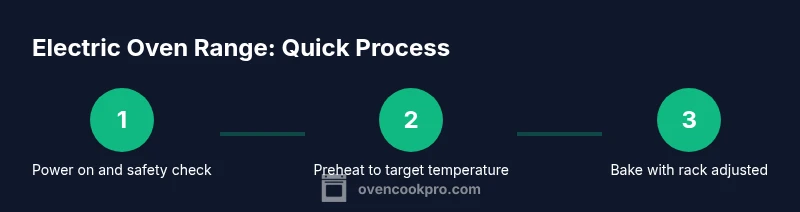
Preheating is more than waiting for a number on the display. It establishes a stable interior environment so that food cooks evenly from the start. Begin by selecting the recipe temperature, then allow the oven to reach that temperature before inserting any food. Temperature accuracy matters: if your oven runs hot or cold, bake times will drift and results may vary. Use an oven thermometer placed in the center of the rack to verify actual heat. If you notice a consistent discrepancy (e.g., 25 degrees F off), consult the manual about calibration or seek service. Brand-agnostic trials show that calibrated ovens achieve more consistent browning and texture, especially for pastries and delicate cakes. The Oven Cook Pro team recommends documenting calibration checks and adjusting times based on your experiences with different dishes.
Rack placement, cookware, and baking performance
Racks influence hot spots and airflow. When baking multiple items, arrange racks to avoid crowding, leaving space for air to circulate. Place light-colored bakeware toward the center to prevent scorching on the edges, and use dark, heavy pans for browning when appropriate. Always preheat with the rack in place, slide pans in carefully to avoid air disruption, and rotate foods halfway through to counter heat variance. Metal, glass, and ceramic bakeware behave differently in an electric oven range; adjust temperatures and times accordingly. This section highlights practical tips to improve outcomes across cookies, sheet pan dinners, and roasts, including how to use convection mode if the model supports it.
Cleaning, maintenance, and extending oven life
A clean oven range cooks more predictably and safely. After each use, wipe up spills promptly to avoid baked-on residue. Clean the door seals and gasket occasionally to preserve door alignment and heat retention. For maintenance, inspect the oven interior for signs of wear and check the door alignment. Use a non-abrasive cleaner on stainless surfaces and follow manufacturer directions for glass-door care. Routine inspections, including checking the cord, plug, and terminal connections, help prevent unexpected outages. The Oven Cook Pro team notes that a simple monthly wipe-down combined with quarterly calibration checks can extend the life of the range and maintain performance.
Troubleshooting common issues
If you notice uneven browning, hot spots, or cold zones, start with a simple calibration check and thermometer test. Verify that the oven is fully preheated and that racks are not blocking convection pathways. If temperatures drift despite calibration, consider professional service to inspect the heating elements or the control board. For electrical issues, such as tripped breakers or a non-responsive display, ensure the circuit is dedicated and grounded, then consult a licensed electrician. This section also covers tips for identifying whether issues are with the oven itself or with cookware choices.
Authority sources and further reading
For foundational safety standards and appliance guidelines, consult these authoritative sources:
- OSHA: https://www.osha.gov
- CPSC: https://www.cpsc.gov
- Oregon State Extension: https://extension.oregonstate.edu
These resources provide general safety practices and consumer guidance that complement hands-on kitchen instruction. They offer context for electrical requirements, code compliance, and best practices for appliance maintenance.
Tools & Materials
- Electrical outlet and circuit(240V dedicated circuit recommended (40-50A depending on model))
- Power cord and mounting hardware(Manufacturer-supplied cord or compatible heavy-duty cord)
- Voltage tester(Use to confirm power is isolated before servicing)
- Screwdriver set (flathead and Phillips)(For panel screws and terminal covers)
- Measuring tape(Check clearance from walls and cabinetry (min. 2–3 inches))
- Heat-resistant gloves(Handling hot racks and cookware safely)
- Oven-safe thermometer(Place in the center of the rack to verify actual oven temperature)
- Soft cloth and non-abrasive cleaner(Keep exterior surfaces clean without scratching)
Steps
Estimated time: 60-90 minutes
- 1
Power down and prep the space
Begin by turning off power to the kitchen circuit and disconnecting the old unit if replacing. Clear the area around the installation site to a minimum radius of 2 feet, removing obstacles, pets, and clutter. Gather all tools and read the installation manual before touching wiring.
Tip: Take a before-photo of the install area to reference clearance and connections later. - 2
Verify electrical readiness
Use a voltage tester to confirm there is no live current on the circuit you’ll use. Confirm the circuit rating matches the oven’s requirements and ensure the wall outlet has a dedicated 240V supply. If any doubt arises, contact a licensed electrician before proceeding.
Tip: Label the circuit clearly in the panel to avoid accidental re-energizing during work. - 3
Position and secure the installation area
Measure the cabinet clearances and align the oven with surrounding cabinetry. Ensure the oven is plumb and level using a bubble level and shims as needed. Attach mounting brackets per the manufacturer’s instructions if required by your model.
Tip: Use a helper to hold the oven while you align the mounting screws to avoid bending panels. - 4
Install the wiring and connect the range
Connect the power cord to the terminal block or terminal box as per the installation manual. Route the cord away from heat sources and sharp edges. Re-check all connections for tightness and re-verify that the power is off before the final energizing.
Tip: Double-check that the ground connection is secure to prevent electrical faults. - 5
Preheat and verify temperature
Plug in the unit and set to a baseline temperature (350°F/175°C). Allow the oven to preheat for 10–15 minutes and observe the internal indicator or thermometer if available. If you notice a large discrepancy, plan for calibration after installation.
Tip: If your model supports convection, run a test bake at a standard temperature to observe airflow patterns. - 6
Test bake and adjust racks
Place a light-colored baking sheet in the center rack and bake for a short test at 350°F. Check for even browning and rotate the rack halfway if needed. Adjust rack positions for your recipe type and ensure clearance to oven walls.
Tip: Keep an eye on edges; hot spots are common in new installations and may require small rack adjustments. - 7
Cool down and inspect
Turn off the oven and let it cool completely before wiping down interior surfaces. Inspect door seal and hinge alignment for gaps that could affect heat retention. Store tools and cords neatly and document any calibration notes.
Tip: Record the cooling times and any observations to optimize future bakes. - 8
Schedule maintenance and follow safety routines
Create a maintenance schedule that includes quarterly cleaning, annual calibration checks, and periodic electrical inspections if you frequently run heavy loads. Keep a fire extinguisher rated for kitchens accessible and know how to use it in case of emergencies.
Tip: Develop a simple checklist to track maintenance and calibration for peace of mind.
Questions & Answers
What is an electric oven range and how does it work?
An electric oven range integrates a heated oven with an electric cooktop. Heat is generated by coils or radiant elements controlled by thermostats and digital controls. The oven and cooktop heat independently, enabling precise cooking methods like baking, broiling, and simmering. This design generally provides clean heat distribution and straightforward maintenance.
An electric oven range has a separate oven and cooktop that heat with coils or radiators and are controlled by thermostats. It’s known for clean heat and easy maintenance.
Do I need a professional to install an electric oven range?
Installation often requires a dedicated 240V circuit and proper wiring. If you’re replacing an old unit, a licensed electrician should assess the circuit, outlet compatibility, and grounding to ensure safety and code compliance.
A licensed electrician should handle dedicated 240V wiring and grounding to ensure safety and compliance.
How can I calibrate oven temperature accurately?
Use an oven thermometer placed in the center of the rack to compare actual temperature against the dial or display. If there’s a consistent offset, adjust using the oven’s calibration feature if available, or note the difference for bake times in recipes.
Place a thermometer inside to check real temperature, then calibrate or note the offset for future bakes.
Can I use metal cookware in an electric oven range?
Metal pans are generally safe and provide reliable browning. Some recipes benefit from glass or ceramic bakeware, which can affect heat transfer. Always ensure cookware fits without touching sides or heating elements.
Metal pans are usually fine; choose bakeware based on your recipe and ensure proper fit.
What safety precautions should I take when operating an electric oven range?
Keep flammable items away, use heat-resistant gloves, and avoid leaving the oven unattended with empty racks. Ensure good ventilation and keep a kitchen fire extinguisher accessible. If you suspect electrical issues, turn off power and call a professional.
Always keep away flammables, wear gloves, and have a fire extinguisher ready. Call a professional for electrical issues.
How do I troubleshoot uneven baking?
Check preheating, rotate racks halfway through baking, and verify temperature with a thermometer. Ensure uniform food placement and avoid opening the door frequently which causes heat loss. If issues persist, consider convection mode if supported or professional service.
Preheat, rotate, and verify heat with a thermometer; use convection if available and seek service if needed.
Watch Video
Main Points
- Know the electric oven range basics and layout.
- Calibrate temperature for consistent results.
- Preheat properly to avoid temperature shocks.
- Use proper rack placement and bakeware.
- Maintain safety and schedule routine maintenance.