Can You Put an Electric Oven Anywhere? A Safe Guide
Discover where you can place an electric oven, why electrical capacity and ventilation matter, and how to work with a pro to ensure safe, code-compliant installation.


Yes, you can place an electric oven in many kitchen layouts, but placement depends on electrical supply, ventilation, and local codes. Before moving an oven, verify that the space has a dedicated circuit, proper clearances, and safe ventilation. Always follow the appliance manufacturer’s installation guidelines and consult a licensed electrician if in doubt.
Can an Electric Oven Be Placed Anywhere? A Practical Starting Point
According to Oven Cook Pro, the idea of placing an electric oven anywhere in a home is guided by three pillars: electrical capacity, ventilation, and adherence to local safety codes. A kitchen not only needs to accommodate the appliance’s size, but also its heat output, venting needs, and the pathway that power takes to reach it. This means some rooms or configurations are better suited than others. In practice, most home layouts work, but you’ll want to confirm your space meets manufacturer guidelines and local requirements before you begin any relocation. The goal is to create a setup that handles heat responsibly, keeps combustibles at a safe distance, and minimizes risk of electrical faults. The discussion below will help you think through common layouts, typical constraints, and how to approach a safe relocation with expert support when needed.
Safety and Code Considerations
A core rule from Oven Cook Pro analysis, 2026, is that any relocation of an electric oven should respect safety codes and electrical standards. Start by checking whether your space requires a dedicated circuit and whether the wiring is compatible with the oven’s voltage and current needs. Local building codes often demand unobstructed access to the appliance, appropriate clearance behind and around the unit, and proper heat ventilation. Do not attempt to bypass these requirements. If in doubt, consult a licensed electrician or code professional to review your plan and ensure compliance with safety standards. This upfront step protects both your home and future appliance performance.
Electrical Requirements and Circuit Considerations
Electric ovens typically demand a robust electrical arrangement, and many installations require a dedicated 240-volt circuit. The exact wiring and outlet configuration depend on the model’s manual and local codes. If your home’s electrical panel is already near capacity, upgrading circuits or adding a new dedicated line may be necessary. A licensed electrician can assess wire gauge, breaker size, and routing paths to avoid shared circuits that could trip or cause heat buildup. Remember that incorrect wiring can create fire hazards and damage your oven, so professional evaluation is essential before any move.
Ventilation, Heat, and Clearance
Ventilation is a critical factor when placing an oven. Ensure there is adequate airflow around the unit and that heat has a clear path to escape, preventing heat from seeping into cabinets or walls. Clearances should be maintained according to the manufacturer’s recommendations and local codes, which can vary by model and kitchen design. If you’re installing under or near cabinetry, consider noncombustible backsplashes or heat shields to reduce heat exposure to wooden surfaces. Good ventilation also reduces steam and cooking odors in adjacent spaces, contributing to a safer, more comfortable kitchen.
Layout Scenarios: Wall, Island, or Corner Installations
Choosing between a wall installation, island setup, or corner placement depends on your kitchen’s layout and traffic flow. Wall-mounted ovens can offer straightforward wiring access and simple venting, while island placements may require more complex ducting and fire-safety clearances. Corner installations demand careful measurement to avoid obstructing doorways or drawer openings. In all cases, the goal is to minimize heat transfer to flammable surfaces, keep control panels accessible, and maintain clear paths for maintenance and cleaning. If you’re remodeling, plan early for ventilation hoods, duct routes, and heat shields that align with the oven’s design and your kitchen’s geometry.
What You Should Not Do: Common Myths and Pitfalls
Common myths include relocating an oven without consulting codes or trying to squeeze a larger unit into a tight space. Don’t assume that a plug-in option is universally available—many ovens are designed for hard wiring or dedicated outlets. Avoid routing power through shared circuits or overloading outlets, which can trigger breakers or cause overheating. Never modify cabinets or the hood ventilation to accommodate heat without confirming that materials, gaps, and mounting meet fire-safety standards. The safest approach is to engage a licensed professional to evaluate the space and perform any wiring or cabinet alterations.
Hiring a Pro: Wiring, Outlets, and Mounting
For most relocations, you’ll want a licensed electrician to handle wiring and a carpenter or cabinet installer for mounting and clearances. The electrician will determine whether you need a new 240-volt circuit, a dedicated receptacle, and proper gauge wiring. The cabinet installer ensures the space meets fire-safety standards and that doors, drawers, and panels don’t interfere with heat dissipation or accessibility. This collaboration reduces risk and ensures your oven is fixed securely with reliable ventilation. Keep all manuals, warranty terms, and permit documents in a central place for future reference.
Planning a Relocation: A Step-by-Step Approach
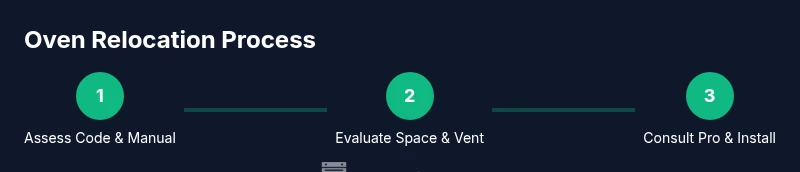
Begin with a site assessment, referencing the oven’s installation guide and local codes. Next, have a professional confirm electrical capacity and determine if any panel or wiring upgrades are necessary. Then, choose a location with adequate clearance and ventilation, and plan the vent hood and exhaust routing. After confirming permits, a licensed electrician can perform wiring and the hardwiring hookup if required. Finally, install the oven position, test operation, and document the setup. This process prioritizes safety, compliance, and long-term performance.
Practical Checklist and Quick Reference
- Confirm dedicated circuit availability and ventilation path.
- Check manufacturer guidance for clearances and venting.
- Hire licensed professionals for electrical and cabinet work.
- Plan for future maintenance access and safe cleaning.
- Retain all manuals and installation documents for warranty and service needs.
Oven Cook Pro Verdict
The Oven Cook Pro team recommends a careful, code-compliant approach to any oven relocation. Prioritize professional assessment of electrical capacity, venting, and mounting provisions. When in doubt, invest in an in-person evaluation to ensure safety and performance. Following these guidelines will help you place an electric oven in a way that’s both practical and safe for daily use.
Additional Resources and Next Steps
For deeper guidance, consult national safety and building standards, and consider local training or courses on appliance installation. Keep a log of measurements, code references, and contractor notes to streamline future maintenance and potential upgrades.
Tools & Materials
- Voltage tester / multimeter(Use to verify circuit status and absence of live voltage before work begins)
- Dedicated 240V circuit and wiring plan(Custom wiring designed by a licensed electrician for oven installation)
- Noncombustible backing or heat shield(Protects surrounding cabinetry from heat exposure)
- Measuring tape and level(Accurate space planning and plumb mounting)
- Fire-rated outlet box or approved venting kit(Optional for certain layouts; confirm compatibility with model)
- Owner’s manual and installation kit(Keep for reference and troubleshooting steps)
Steps
Estimated time: 2-4 hours
- 1
Review local codes and manufacturer guidelines
Begin by consulting your local building codes and the oven’s installation manual. This ensures you understand required clearances, venting, and electrical needs before any work begins.
Tip: Document code references and model requirements to avoid back-and-forth with inspectors. - 2
Assess available space and ventilation
Evaluate the intended location for clearance around the oven, access to the control panel, and venting routes. Ensure heat and moisture won’t affect nearby cabinets or walls.
Tip: Mark the footprint on the floor and confirm door swing won’t clash with drawers or appliances. - 3
Consult with a licensed electrician about electrical capacity
Have a pro inspect the existing circuit, panel capacity, and wiring route to determine if a dedicated 240V line is required.
Tip: Never rely on an existing multi-use circuit for a new oven; dedicated wiring reduces risk of overload. - 4
Choose between hardwiring and a dedicated outlet
Decide with your electrician whether the oven will be hardwired or connected to a dedicated receptacle, based on model and local code.
Tip: Follow the manufacturer’s preferred method to preserve warranty and safety. - 5
Prepare the mounting area
Install heat shields or noncombustible backing as needed and ensure the cabinet structure won’t be compromised by heat.
Tip: Use a level to ensure the oven sits evenly; uneven mounting can affect operation and door seal. - 6
Power down and isolate the circuit
Turn off the circuit at the breaker panel before any work on wiring begins. Confirm there is no live voltage in the work area.
Tip: Lockout-tagout procedures can prevent accidental re-energization during installation. - 7
Install wiring or outlet by a professional
Have the electrician install or connect the dedicated circuit, outlet box, and protective devices as required by code.
Tip: Do not attempt wiring modifications yourself; improper connections create fire and shock hazards. - 8
Mount and align the oven
Place the oven in its cavity, secure mounting screws, and confirm alignment with adjacent cabinets and panels.
Tip: Check clearances on all sides and ensure the door opens without obstruction. - 9
Connect power and test operation
Have the professional complete final wiring connections, restore power, and run a basic function test per the user manual.
Tip: Observe for any abnormal smells, smoke, or tripping breakers during initial tests. - 10
Verify venting and safety features
Ensure venting hood operates correctly and that there is no heat transfer to adjacent materials.
Tip: Perform a quick bake cycle to verify venting effectiveness and surface temperatures. - 11
Document installation and keep manuals handy
Record the installation details, permit numbers, and service contacts for future maintenance or warranty claims.
Tip: Store this information with the oven’s user manual for easy reference.
Questions & Answers
Can I install an electric oven in a kitchen island?
An island installation is possible but often more complex due to venting and wiring routes. It usually requires a dedicated circuit and professional assessment to ensure safety and proper ventilation.
Island installations are possible but need professional assessment for venting and wiring.
Do I always need a dedicated circuit for an electric oven?
Most electric ovens require a dedicated circuit to avoid overloading existing outlets or breakers. A licensed electrician can determine the correct circuit size and wiring.
Most ovens need a dedicated circuit; a pro can size it correctly.
Will relocation affect my warranty?
Relocating an oven can affect warranty coverage if the installation does not comply with manufacturer instructions. Always follow the manual and use licensed professionals.
Warranty can be affected by improper installation; follow the manual.
What questions should I ask a pro before relocation?
Ask about required clearances, venting options, whether a new circuit is needed, and how long the job will take. Confirm permit requirements where applicable.
Ask about clearances, venting, circuit needs, and permits.
Can I plug an oven into a standard outlet?
Some compact or specialty ovens may use standard outlets, but most full-size electric ovens require hardwiring or a dedicated outlet. Check the model specifications and local codes.
Most ovens need hardwiring or a dedicated outlet; check code.
What signs indicate I should stop and call a professional?
If you notice tripping breakers, unusual heat near cabinets, burning smells, or inconsistent oven performance, stop and contact a licensed electrician.
Stop if breakers trip or you smell heat; call a pro.
Watch Video
Main Points
- Plan around electrical capacity and ventilation first
- Use a dedicated circuit for safety and reliability
- Get professional help for wiring and mounting
- Maintain clearances and proper venting to protect cabinetry
- Document installation details for warranty and safety