Can an Oven Go Next to a Fridge? Safe Layout Guide
Discover safe placement for an oven beside a fridge, with ventilation, clearance, and layout tips for a durable, efficient kitchen. Insights by Oven Cook Pro.


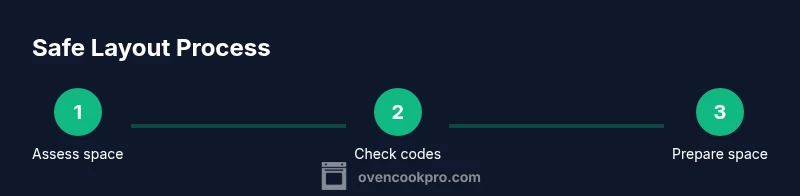
Yes—it's possible to place an oven next to a refrigerator, but it requires planning for safety and efficiency. The key is to maintain adequate clearance, proper ventilation, and code-compliant electrical and gas connections. Follow these step-by-step guidelines to assess space, ensure heat containment, and protect nearby surfaces in your kitchen remodel or new build.
Can an oven go next to a fridge? Overview
The prospect of placing an oven next to a refrigerator is common in compact kitchens, but it raises questions about heat transfer, airflow, and long-term reliability. According to Oven Cook Pro, a thoughtful layout can minimize heat exposure to the fridge, reduce energy drift, and maintain appliance longevity. Start by listing the appliances involved, the room’s dimensions, and any constraint like cabinets or plumbing that could affect spacing. A well-planned arrangement should feel natural to use, with doors and drawers able to swing without interference. If you’re updating an existing kitchen, note which surfaces are most sensitive to heat (backsplashes, cabinetry, and flooring) and plan with protective barriers where needed.
Your goal is a layout that keeps appliances operating within their design tolerances while preserving a comfortable workflow. Even when space is tight, you can achieve safe results by prioritizing ventilation, insulation, and proper service clearances. This section lays the groundwork for a safe, efficient design that respects both appliances and people in the kitchen.
Safety and Code Considerations
Safety and code compliance are non-negotiable. In many regions, manufacturers specify minimum clearance between heat-generating appliances and nearby walls or cabinetry, along with requirements for ventilation and service access. Always consult the appliance manuals first, then check local building codes or a qualified installer. Avoid placing the oven where its door could strike the fridge or hamper the fridge’s airflow. Using fire-rated backing, heat shields, and non-combustible surfaces can add a protective buffer. The Oven Cook Pro team emphasizes documenting all clearances and vent paths before purchase or installation to prevent costly retrofits later.
As a practical habit, create a simple sketch or use a kitchen layout app to visualize air paths, electrical routes, and the door arcs. If you’re in a rental, obtain written approval from the landlord or property manager before modifying cabinets or walls. In all cases, ensure the electrical circuit serving the oven is separate from the fridge’s circuit to minimize nuisance tripping and to comply with typical electrical code guidance.
Heat and Ventilation: Why spacing matters
Heat emitted by the oven can raise the ambient temperature near the fridge, which may affect compressor efficiency and energy use. Adequate spacing helps heat dissipate and prevents condensation or frost buildup on nearby surfaces. Ventilation should carry heat away from both appliances rather than trapping it between them. If your kitchen layout restricts natural ventilation, consider adding an exhaust hood with an appropriately sized duct, or ensure the oven’s ventilation path does not point directly at the fridge. A common-sense rule is to keep heat-generating sides unobstructed and to avoid placing the oven behind a closed cabinet that could trap warm air.
In practice, you should verify there is a clear gap for air movement at the back and sides of both appliances, and that any protective paneling is securely installed and properly sealed. This helps maintain consistent temperatures, reduces wear on the fridge’s compressor, and supports safer, more reliable operation over time. The goal is not to banish all heat, but to manage it smartly so that your whole kitchen remains comfortable and safe.
Electrical and Gas Connections: What you must verify
Electrical and gas considerations are the backbone of a safe installation. Ensure the oven is wired to a dedicated circuit that can support its load, with proper grounding and appropriate outlet type. If you’re using gas, verify that the gas line installation complies with local codes and that there is adequate clearance from heat sources. You should also confirm that the fridge’s electrical outlet and the oven’s outlet are not in conflict in terms of wiring capacity or proximity. A licensed electrician is the best resource for final connections and for inspecting circuits, panels, and venting pathways.
If you’re planning a combined wall or island setup, ask about required combustibility clearances and any manufacturer-specified setback distances. Documented clearances, verified by a professional, reduce the risk of nuisance trips, overheating, or code violations that could complicate future remodeling. Oven Cook Pro notes that electrical and venting details vary by model and region, so rely on installer guidance reinforced by manufacturer manuals.
Layout Strategies for Small Kitchens
In tight spaces, creativity with layout can yield safe, functional results. Consider aligning the oven and fridge so their doors do not interact during use and that there is enough aisle width for safe appliance access. If possible, place the oven on an end of a run with a heat shield or backer board to absorb incidental heat and keep the fridge away from direct hot air. Use adjustable feet or leveling shims to ensure appliances sit evenly and don’t rock, which helps with gaskets and door seals. In some designs, moving the fridge slightly forward to create a thin, ventilated gap behind the doors can improve airflow while maintaining a clean aesthetic.
Regardless of layout, maintain at least some unobstructed space around the oven’s hot surfaces, and avoid sealing off the area with non-ventilated cabinetry. An experienced kitchen designer can propose safe, efficient configurations tailored to your room’s dimensions. Oven Cook Pro’s approach is to balance usability with heat management and service access so you don’t have to compromise on either aspect.
Measuring and Planning: A practical checklist
Begin with a simple checklist to ensure space and safety. Measure the width, depth, and height of both appliances, then map where outlets, vents, and plumbing run. Confirm cabinet or wall coverings can withstand heat and that there’s a guard or barrier between heat sources and sensitive surfaces. Create a mock layout on graph paper or digitally, labeling door arcs, vent paths, and service clearances. Finally, forecast routine tasks such as loading bulky pans or removing hot items and verify there is no obstruction.
A practical plan includes: (1) appliance footprints, (2) electrical and gas routes, (3) ventilation paths, (4) heat-protective barriers, and (5) door swing room. Keep a margin for adjustments, especially if you’re replacing older units with newer models that have different ventilation requirements. This planning step minimizes last-minute surprises and promotes safer operation.
Protective Surfaces and Materials You May Need
To safeguard walls, cabinets, and floors, consider heat-resistant panels behind and beside the ovens and fridges. Non-combustible backer boards, silicone sealants, and weathered heat shields can help absorb stray heat and prevent surface damage. Use high-temperature caulk at gaps to seal and direct airflow without trapping heat. For added safety, install anti-tip brackets or securing straps to prevent movement during use, especially in households with children or frequent pantry activity. Material choices matter: select surfaces rated for higher temperatures and resistant to oils and steam commonly associated with ovens. A well-protected kitchen this way is easier to maintain and safer over time.
Maintenance and Long-Term Considerations
A layout that accounts for heat, airflow, and service access will age better. Regularly inspect seals around the fridge door and oven door for wear, check venting paths for blockages, and keep the area clean from dust and debris that can hamper cooling. If you notice any unusual heat or noise from either appliance, seek professional evaluation to prevent vacancy or energy waste. Planned maintenance—paired with periodic re-checks of clearances after any remodel—helps sustain performance. The Oven Cook Pro team recommends revisiting layout and clearances when upgrading appliances or remodeling the kitchen to preserve safety and efficiency.
Tools & Materials
- Measuring tape(at least 25 ft for full kitchen measurements)
- Graph paper or layout software(for sketching appliance placement and clearances)
- Pencil and marker(to annotate diagrams and notes)
- Level(to ensure appliances sit plumb and even)
- Heat-resistant barrier/backer board(behind/around oven surfaces where heat exchange occurs)
- Heat shield material (optional)(for extra protection between appliances)
- Heat-resistant caulk or sealant(to seal gaps and direct airflow safely)
- Safety gloves(for handling hot pans and barriers)
- Electrical tester or multimeter(to verify circuit status during planning)
Steps
Estimated time: 2-4 hours
- 1
Measure and map space
Take precise measurements of the oven and fridge footprints, cabinet clearances, and door swings. Sketch the layout on graph paper or digital software, marking where outlets, vents, and plumbing run. This establishes what is feasible before purchasing new appliances.
Tip: Double-check measurements with the appliances in their current locations if you’re remodeling an existing kitchen. - 2
Review manufacturer and local codes
Read each appliance manual for minimum clearances and venting guidance. Check local building codes or consult a licensed installer to confirm compliance with code requirements and safety standards.
Tip: If local codes differ from manufacturer guidance, follow the stricter rule to stay compliant. - 3
Prepare workspace and surfaces
Clear the area, clean surfaces, and install heat shields or backer boards where needed. Ensure there is a noncombustible surface behind the oven and adequate airflow around both appliances.
Tip: Use sealant to prevent dust and moisture from accumulating in corners. - 4
Position appliances for dry fit
Pretend to slide the oven and fridge into place without connecting utilities. Check clearance for doors, drawers, and any adjacent shelving. Adjust positions so there’s room to work and no interference.
Tip: Place temporary spacers or aligners to test gaps before final mounting. - 5
Address ventilation and barriers
Install or confirm exhaust ventilation paths and heat barriers so hot air does not blow toward the fridge. Ensure vents aren’t blocked by cabinetry and that ducts are securely connected.
Tip: Avoid pointing a vent directly at the fridge to prevent frost or heat load on the compressor. - 6
Make connections and validate safety
If upgrading, have a licensed electrician verify dedicated circuits and proper grounding. Confirm gas lines (if applicable) are safe and compliant. Do a dry run to confirm no heat impact on the fridge and surrounding surfaces.
Tip: Never DIY electrical or gas connections beyond basic tests; call a pro for final hookup.
Questions & Answers
Is it safe to place an oven next to a fridge?
Yes, with proper clearance, ventilation, and compliant connections. Verify manufacturer guidelines and local codes, and use protective barriers as needed.
Yes. It’s safe when you follow clearance, ventilation, and code requirements, plus use protective barriers where needed.
What minimum clearances should I observe between these appliances?
Follow the oven and fridge manuals for recommended setbacks. If in doubt, maintain some airflow and avoid direct venting from the oven toward the fridge.
Follow the manuals and keep airflow, avoiding direct venting toward the fridge.
Can heat from the oven affect fridge performance?
Excess heat or blocked airflow can impact fridge efficiency. Proper spacing and venting minimize heat exposure to the fridge.
Yes, proper spacing and venting help prevent heat from affecting the fridge.
How do I know if doors will swing without collision?
Measure arc clearance for both doors in their widest position. Adjust positions so arcs don’t intersect.
Check door swings and make sure their paths don’t cross.
What if I have limited space and cannot separate the appliances?
Reassess layout with a kitchen designer; consider moving either unit slightly or adding a protective barrier to minimize heat transfer while preserving access.
If space is tight, consult a designer to explore safe adjustments or barriers.
Are there differences for gas vs electric ovens when placed next to a fridge?
Gas and electric appliances have different venting and clearance needs. Always follow manufacturer specs and local codes for each appliance.
Gas and electric setups have distinct venting needs; follow the manuals and code.
Watch Video
Main Points
- Plan for ventilation and clearance before purchasing appliances
- Consult manufacturer guidelines and local codes to ensure safety
- Test-fit layout with dry positioning and spacers before wiring or fastening
- Protect surfaces with heat shields and noncombustible barriers to extend appliance life