What Temperature to Cook Steak in the Oven: A Step-by-Step Guide
Master the exact oven temperatures and techniques to cook steak to perfect doneness. This guide covers searing, finishing temps, thermometer use, resting, and tips for thick cuts.


If you’re asking what temperature to cook steak in oven, start with a high sear and finish in a hot oven. For a 1-inch steak, preheat to 450°F, sear 2 minutes per side, then move to 400°F until the internal temperature reaches about 120–135°F for medium-rare. Let steaks rest briefly before serving.
Why Temperature Matters for Steak in the Oven
Temperature controls four critical elements: crust formation, moisture retention, evenness of cook, and overall flavor. A scorching surface creates the Maillard crust, while a hot but controlled finish ensures the center reaches the target doneness without drying out. According to Oven Cook Pro Analysis, 2026, a two-stage approach—high-heat sear followed by finishing in a hot oven—gives reliable results for most thicknesses. You’ll notice a deeper crust and a more consistent interior when you manage both oven and pan heat with precision, rather than relying on guesswork. This section sets the stage for practical steps you can apply in your own kitchen tonight.
Sear First, Then Finish in the Oven: The Two-Stage Method
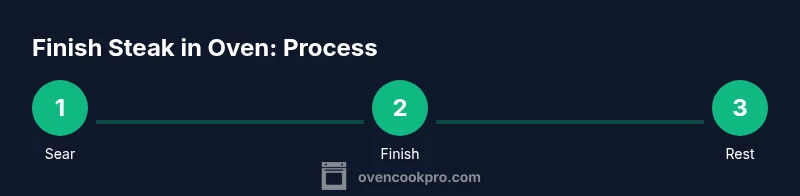
The most dependable method for oven-steak is a two-stage process. Begin with a very hot pan to develop a deep crust, then transfer to a hot oven to finish. Preheat your oven and skillet to the target temperatures, pat steaks dry, and season generously. The crust you build in the pan not only adds flavor but also helps trap juices. A controlled finish in the oven ensures the interior reaches the desired doneness without overcooking. Staying mindful of both crust formation and core temperature yields restaurant-quality results at home, with less guesswork and more repeatable outcomes.
Temperature Guidelines by Doneness: Finishing Temps and Internal Targets
Most home cooks finish steak in a hot oven after searing. For a classic 1-inch cut, a common approach is searing in a very hot skillet and finishing at about 400°F in the oven. Internal temperatures guide doneness: 120–125°F for rare, 130–135°F for medium-rare, 135–145°F for medium, 150–155°F for medium-well, and 160°F+ for well-done. Use a calibrated thermometer to check, and remember carryover heat will raise the center by about 5°F after resting. Thick-cut steaks may benefit from a brief preheat at 450–475°F before oven finishing. These guidelines align with standard ovencooking practices and help you tailor doneness to your preferences.
Tools and Monitoring: Thermometers, Pans, and Timings
Accurate monitoring is essential. An instant-read thermometer or a dedicated oven thermometer ensures you hit your target. Cast iron pans provide excellent crust retention and heat distribution, but any heavy oven-safe skillet works if preheated properly. Keep tongs handy for quick flips and avoid overcrowding the pan to maintain a potent crust. Preheating both pan and oven ensures consistent, repeatable results and minimizes guesswork during the short, high-heat phase.
The Role of Fat, Drying, and Dry-Brining for Juicy Results
Patting the steak dry with paper towels removes surface moisture that would steam rather than sear. A light brush of oil with a high smoke point helps promote browning without smoking excessively. Some cooks prefer a dry-brine for 30–60 minutes to intensify flavor and improve crust formation; either approach pairs well with the high-heat start. Remember to season generously on all sides and avoid under-seasoning, which can dull flavor after resting.
Resting and Serving: Locking in Juices
After cooking, rest is essential. Tent the steak loosely with foil for 5–10 minutes to allow juices to redistribute. Resting makes slicing easier and prevents a surge of juices from running onto the plate. Slice against the grain for tenderness and present with a finishing touch of salt, herbs, or a butter baste if desired.
Thick Steaks: Adjustments to Finish Time
Thicker steaks (1.5–2 inches) require a longer oven finish and careful monitoring to avoid overcooking the exterior while the center remains underdone. Start with the same sear, then extend oven time in 2–3 minute increments, checking temperature frequently. A two-thermometer strategy—one for the meat, one for the oven air—can help maintain control and deliver evenly cooked results.
Flavor Variations: Butter, Garlic, and Herb Finishes
Butter basting in the last minute of cooking adds richness. For a garlic-herb finish, add butter, smashed garlic cloves, and fresh thyme to the pan during the sear or just as you finish in the oven. Basting with hot butter enhances crust formation and adds aromatic flavor. If you prefer a dairy-free version, skip butter and use olive oil plus fresh herbs in the final minutes.
Troubleshooting: When Things Don’t Go as Planned
If the crust is pale or uneven, the pan may not be hot enough or you crowded the skillet. If the interior isn’t reaching target doneness, your oven may be undersized or fan-assisted convection is pulling heat away from the steak; increase the oven temperature slightly or extend the finish time by a couple of minutes, then verify with a thermometer. Always rely on core temperature rather than time alone.
Final Checkpoints and Next Steps
Before serving, confirm your final internal temperature with a thermometer and perform a quick visual check for a deep, caramelized crust. Rest, slice, and plate with your preferred finishing salt or butter. By combining precise temperatures, careful searing, and mindful resting, you’ll consistently produce steak that’s flavorful, juicy, and evenly cooked.
Tools & Materials
- Cast iron skillet or heavy oven-safe pan(Preheated to high heat for crust development)
- Oven-safe meat thermometer or instant-read thermometer(Check internal temperature without opening the oven door)
- Tongs(For turning without piercing the crust)
- Baking sheet or oven-safe rack(To finish in the oven if not using skillet in oven)
- Parchment paper or aluminum foil(Helpful for easy cleanup and resting pan)
- Salt and pepper, plus optional fresh herbs(Season generously for flavor development)
- Oil with high smoke point (avocado, canola, or light olive oil)(Lightly coat steak or pan for better crust)
- Chef’s knife for slicing(Slice against the grain after resting)
Steps
Estimated time: 30-45 minutes
- 1
Preheat and prep
Set the oven to 450°F and place a cast-iron skillet on the stove to preheat. Pat the steak dry, then season generously on all sides with salt and pepper. The goal is a dry surface for maximum Maillard browning.
Tip: A dry surface ensures a better crust; do not skip patting thoroughly. - 2
Sear the steak
Add a thin layer of oil to the hot pan. Sear the steak for 1.5–2 minutes per side until deeply browned, flipping only once. Do not crowd the pan to maintain a scorching surface.
Tip: Use tongs to flip and preserve the crust. - 3
Prepare for oven finish
If the pan isn’t oven-safe, transfer the steak to a lined baking sheet. Keep pan hot or preheat the oven to 400–450°F for the finishing stage.
Tip: Have a thermometer ready to monitor progress. - 4
Finish in the oven
Insert the steak into the preheated oven and cook until the target internal temperature is reached. Typical times vary with thickness; use temperature rather than time as your guide.
Tip: Check temperature after a few minutes to avoid overcooking. - 5
Check doneness
Remove the steak when it’s within 5°F of your target, since carryover heat will finish cooking. For 1-inch steaks, aim for 120–135°F depending on doneness preference.
Tip: Use the thickest part of the steak for the reading. - 6
Rest the meat
Let the steak rest on a cutting board for 5–10 minutes. Resting redistributes juices and helps keep the center juicy.
Tip: Loosely tent with foil to retain heat without steaming the crust. - 7
Serve and enjoy
Slice against the grain and serve immediately. A light sprinkle of finishing salt or a pat of herb butter adds aroma and flavor.
Tip: Serve with a simple side to showcase the steak’s flavor.
Questions & Answers
What is the best temperature to finish steak in the oven?
Most guides recommend finishing at around 400°F after a quick, high-heat sear to achieve a crisp crust with a tender interior. Always verify doneness with a thermometer.
Finish at about 400 degrees Fahrenheit after searing, and confirm doneness with a thermometer.
Should I use a pan sear before finishing in the oven?
Yes. Searing creates a flavorful crust and helps set the exterior. The oven then finishes cooking the interior evenly.
Yes, sear first to build crust, then finish in the oven.
How can I tell when steak is done in the oven?
Measure internal temperature with a thermometer. Target zones vary by doneness: 120–125°F rare, 130–135°F medium-rare, 135–145°F medium, 150–155°F medium-well, 160°F+ well-done.
Use a thermometer to see if you’ve reached your desired doneness.
Can I cook thicker steaks in the oven?
Absolutely. Thicker steaks require longer oven time and sometimes a lower finish temperature to avoid overcooking the outside first.
Thicker steaks need more oven time and careful temperature control.
Do I rest the steak after oven cooking?
Yes. Resting for 5–10 minutes allows juices to redistribute and results in a juicier slice with better texture.
Rest for 5–10 minutes to keep juices inside the meat.
What internal temperature represents medium-rare?
Medium-rare is typically 130–135°F. Remove the steak from heat around 5°F lower to account for carryover cooking.
Medium-rare is around 130–135 degrees; pull early for carryover cooking.
Watch Video
Main Points
- Preheat pan and oven for best crust.
- Use a thermometer to hit target doneness.
- Rest steak to lock in juices.
- Don't overcrowd the pan for even browning.
- Adjust time for thicker cuts.