Slow Cooking a Brisket in the Oven: A Complete How-To
Master slow oven brisket with expert, step-by-step guidance from Oven Cook Pro. Learn prep, temperature, resting, and serving for tender, flavorful results.


Slow cooking a brisket in the oven yields fork-tender meat with rich, even flavor. Start with a well-trimmed brisket, season deeply, and braise in a covered dish with liquid at a low oven temperature (225–250°F). Monitor with a probe thermometer and rest before slicing for best results. Add aromatics like onions or garlic for depth, and keep the pan covered to trap moisture.
Why slow cooking a brisket in the oven delivers tenderness
For a cut rich in collagen, long, gentle heat is the friend. Slow oven braising allows collagen to melt into silky gelatin, keeping the meat moist as it softens. By cooking at a steady, moderate temperature with a covered vessel, evaporative loss is minimized and aromas stay concentrated. The result is beef that pulls apart with a fork and carries deep beefy flavor from the braising liquid. The Oven Cook Pro team has found that this method consistently yields tender brisket with less guesswork than high-heat roasts. This approach also gives you time to prepare sides and sauces, so the meal comes together without rushing. The key is keeping moisture in the pan and avoiding dramatic temperature swings that tighten the meat’s fibers.
Selecting a brisket: cuts, marbling, and trimming
Choose a brisket with good marbling—thin streaks of fat that render during long cooking. A brisket in the typical range for home cooks is a sizable cut, often sold as a whole piece with two sections (flat and point). Look for a bright red color and a firm feel with flexible fat. Trim away excess hard fat cap and silver skin so the rub penetrates evenly. If your brisket is very thick, consider splitting it into two smaller pieces so the heat penetrates more consistently. Remember, the goal is even cooking from edge to center, not a bulky outer crust that prevents moisture from circulating. The choice of fat content directly influences tenderness and juiciness, so prioritize marbling over lean appearance.
Seasoning and marination: flavor foundations
A robust, well-balanced rub is the backbone of flavor for slow-cooked brisket. At minimum, layer salt and black pepper for a classic bark, then add paprika, garlic powder, onion powder, and a touch of brown sugar or chili powder for subtle sweetness and depth. Apply the rub evenly across all surfaces; consider applying the rub the night before for deeper penetration. Some cooks opt to marinate briefly in a small amount of beef stock or a red-wine-based mixture, but this is optional. The key is building flavor without overpowering the beef’s natural beefiness. Aromatics such as sliced onions, garlic, and herbs can be added to the braising liquid to enrich the sauce that accompanies the finished meat.
Prepping your oven and equipment for low-and-slow
Preheat your oven to a steady low temperature in the range of 225–250°F. Use a heavy, oven-safe vessel with a tight-fitting lid or a well-sealed layer of foil to trap moisture. A cast-iron Dutch oven, enamel-coated roaster, or stainless steel braising pan works well. Place a rack inside the pan to elevate the meat for even heat transfer. Have a metal lid or foil ready to cover, and keep a thermometer handy to monitor internal temperature. Line the pan with parchment or foil for easy cleanup, and ensure there is enough braising liquid to raise the sides of the meat by about a half-inch. This setup minimizes scorching and helps maintain a juicy interior.
Dry heat vs braising: choosing your moisture path
Braising liquids are the heart of a moist, tender brisket. You can braise in beef stock or broth for an unambiguous beef flavor, or add a splash of beer or red wine for complexity. Complementary aromatics—onion, garlic, bay leaf, and herbs—provide layers without overwhelming the meat. If you prefer a drier finish with a pronounced bark, you can reduce the liquid slightly and rely more on long, slow roasting; still, a modest amount of liquid is essential to prevent the surface from drying. The goal is to maintain humidity inside the cooking vessel so the connective tissue softens rather than toughening.
Step-by-step: from prep to pull-apart texture
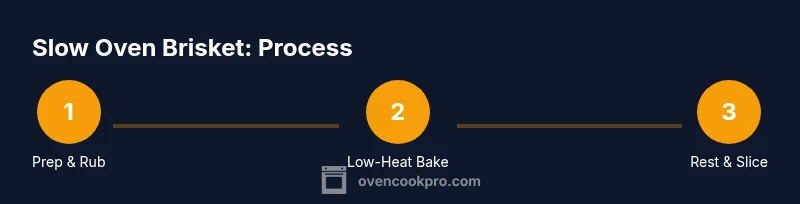
Step 1: Trim excess fat and apply a generous rub across all surfaces. Let it rest for a short period if possible to help flavors begin. Step 2: Optional sear: In a hot pan, sear the brisket briefly on both sides to build a crust. This step adds flavor but is not strictly required for tenderness. Step 3: Arrange the brisket in your braising vessel, fat side up. Add aromatics and pour in enough braising liquid to come about halfway up the meat. Ensure a tight cover to trap steam. Step 4: Bake at 225–250°F. Check for doneness after several hours; the meat should become fork-tender. Refrain from opening the lid frequently; every opening lets heat escape and lengthens cooking. Step 5: When the brisket feels tender, remove it from the oven and rest, still covered, for 20–30 minutes to redistribute juices. Step 6: Slice against the grain and serve with the braising liquid or a prepared sauce. If desired, skim fat from the liquid to keep the sauce lighter.
Tip: A probe thermometer helps you track interior temperature without opening the vessel. Aim for a target in the 195–205°F range, which yields ideal tenderness due to collagen breakdown.
Temperature, time, and probe guidance
Low-and-slow cooking hinges on a stable, low oven temperature and a long cooking time. A range of 225–250°F is widely recommended for brisket, with total times typically around the 4–6 hour mark, depending on size and thickness. Use a probe thermometer to monitor internal temperature; the goal is near 195–205°F for the center to ensure collagen conversion to gelatin. Carryover heat will finish the tendering process after you remove the meat from the oven, so it’s wise to start checking a little before the lower end of the expected window. Keep the meat resting after cooking to retain juices.
Troubleshooting common issues
If the brisket seems tough, it may need more time or moisture. Check that the oven is maintaining the target temperature and that the meat is fully submerged in braising liquid. If the finished slices are dry, you were likely overcooking or cooking too hot; adjust future attempts by lowering the temperature or increasing liquid. A thick fat cap should help retain moisture, but trim away only excess fat so the surface isn’t swimming in fat. If your bark is absent or uneven, you may need to remove moisture during the final stage and allow the outer layer to form, then wrap to rehydrate.
Another common problem is inconsistent results between the flat and point sections. The point tends to be juicier; consider cooking the two parts separately if you notice significant variance. Finally, taste adjustments after resting are easier when you plate with a small amount of the braising liquid, which adds moisture and a subtle depth of flavor.
Resting, slicing, and serving for best results
Resting is the final step towards juicy, evenly tender brisket. Keep the meat loosely tented for 20–30 minutes after removing from heat. Slice against the grain to maximize tenderness, starting with the flatter portion and working through to the thicker point. Serve with the braising liquid or a simple sauce; the liquid can be reduced slightly to concentrate its flavors. Present slices with the crusty bark and a juicy interior for contrast. If you have leftovers, refrigerate promptly and reheat gently in the oven with a splash of liquid to keep the meat moist.
Authority sources can offer additional guidance on food safety and temperature targets. Here are a few trusted references you can consult for further details:
Authority sources
- FSIS: Safe Minimum Internal Temperatures and Pork/Beef handling guidelines. https://www.fsis.usda.gov
- Extension services on Beef Brisket Cooking methods. https://extension.oregonstate.edu
- University food science resources on slow-roasting and moisture retention. https://extension.umn.edu
Tools & Materials
- Oven-safe braising vessel (cast iron Dutch oven or enamel roasting pan)(Heavy, with tight lid; ensures even heat and moisture retention)
- Meat thermometer or probe thermometer(Monitor internal temp without opening vessel)
- Aluminum foil or lid replacement(Seal tightly to trap moisture)
- Rib rack or elevated grate (optional)(Promotes even heat and prevents touching liquid)
- Sharp carving knife and cutting board(Slice against the grain for tenderness)
- Tongs and spoon for serving(Helpful for handling and saucing)
- Measuring spoons and bowls for rubs(Prepare rub mix evenly)
- Parchment paper or silicone mat(For easy cleanup inside vessel)
Steps
Estimated time: Total time: 4-6 hours, plus 20-30 minutes resting
- 1
Trim and season
Trim excess fat and silver skin. Apply a generous rub across all surfaces, focusing on the fat cap to help render during slow cooking.
Tip: Let the rub sit for 15-30 minutes to help flavor adhesion. - 2
Optionally sear for crust
In a hot pan, sear the brisket briefly on both sides to develop a crust that adds texture and flavor.
Tip: If pressed for time, skip searing and proceed directly to braising. - 3
Arrange in braising vessel
Place the brisket fat-side up in the vessel and add aromatics. Pour in enough braising liquid to come halfway up the meat.
Tip: Keep the liquid level consistent to prevent drying out the surface. - 4
Braise at low temperature
Cover tightly and bake at 225–250°F until fork-tender, typically several hours depending on thickness.
Tip: Avoid opening the lid often; each peek lets heat escape and lengthens cooking. - 5
Check tenderness and rest
Probe for tenderness; if the meat slides apart easily, remove and rest loosely covered for 20–30 minutes.
Tip: Rest is essential; it allows juices to redisperse for a juicy slice. - 6
Slice and serve
Slice across the grain, serve with the pan juices or a chosen sauce, and present the barked exterior as contrast.
Tip: If serving later, keep slices in the braising liquid to retain moisture.
Questions & Answers
What temperature is best for slow cooking brisket in the oven?
Aim for 225-250°F to keep the meat moist and evenly cooked. This low-and-slow range helps collagen convert to gelatin for tenderness.
Aim for two hundred twenty-five to two hundred fifty degrees Fahrenheit to keep the meat moist and tender during slow cooking.
Is searing before braising necessary?
Searing adds a flavorful crust but is not strictly required for tenderness. If you have time, sear; if not, proceed to braise after applying the rub.
Searing is optional but adds crust and flavor. If you’re short on time, you can skip it and braise directly.
How long does brisket take to cook at 225°F?
Typically about 4-6 hours for a standard cut, depending on thickness and vessel chemistry. Start checking for tenderness around the 3.5-hour mark.
Most briskets take around four to six hours at 225 degrees, but check for tenderness sooner if your cut is thinner.
Should I add liquid to the pan?
Yes. A braising liquid prevents drying and enhances flavor. Use beef stock, wine, or beer with aromatics.
Yes, add some liquid to braise and keep the meat moist throughout cooking.
Can I use a Dutch oven for this recipe?
Absolutely. A heavy, covered Dutch oven is ideal for even heat distribution and moisture retention during long cooks.
Yes—a Dutch oven is perfect for slow-cooking brisket in the oven.
Watch Video
Main Points
- Choose marbled brisket for tenderness.
- Slow oven braising yields fork-tender texture.
- Resting after cooking is essential for juiciness.
- Monitor internal temp to avoid overcook.
- Slice against the grain for maximum tenderness.