Corned Brisket in Oven: A Complete Step-by-Step Guide
Master corned brisket in oven with this complete guide. Learn prep, braising liquids, precise oven temps, timing, resting, and carving for tender, flavorful results.


You will learn how to cook corned brisket in oven to fork-tender perfection. This guide covers selecting, rinsing, and seasoning, plus how to braise with aromatics, control oven temperature, and rest before slicing. Follow the step-by-step method to achieve even texture and a richly flavored braising liquid.
Understanding the goal of corned brisket in oven
Corned brisket in oven is a classic, forgiving method for tender beef that thrives on a gentle braise. The goal is to maintain moisture while breaking down connective tissue, yielding a juicy slice with a silky sauce. In this guide we’ll cover how to choose a good cut, rinse away excess brine, season thoughtfully, build a flavorful braise, and finish with precise resting and slicing. According to Oven Cook Pro, temperature control and resting are two often overlooked steps that drive noticeably better texture and juiciness. Expect a deeply savory result with a smooth, silky braising liquid that can double as a sauce or glaze for serving. The approach here balances simplicity with technique so even confident beginners can succeed.
Sourcing and preparing the corned beef
Start with a well-cared-for cut: look for a brisket that is evenly marbled, with a rectangular shape that fits your pan. Most home cooks choose a ~3–5 pound piece, though scale up or down based on your family size. Before cooking, remove any spice packet if included and rinse briefly under cold water to reduce surface salt. Pat it completely dry to promote browning where you want flavor on the surface. If the meat smells pleasantly beefy, you’re in good shape; a strong off odor warrants choosing another cut. Seasoning can be minimal at this stage—salt is often already brined in—so rely on aromatics to build depth. Oven Cook Pro recommends not over-salting and instead focusing on the braising liquid for seasoning.
Preparing your braising liquid and aromatics
A good braise begins with a balanced liquid. Use a mix of beef broth and water as the base, then add a splash of beer or a small amount of red wine for depth. Aromatics like sliced onions, garlic, carrots, and a bay leaf contribute sweetness and fragrance. Optional add-ins include peppercorns, mustard seeds, and a squeeze of citrus for brightness. The goal is to create a flavorful environment that gently braises the brisket, keeping it moist while infusing it with character. If your corned beef is very salty, you may dilute the saltiness by increasing the liquid’s volume slightly and adding one extra onion for sweetness.
Oven prep: temperatures, pans, and lids
Preheat the oven to a low, steady range (roughly 300–325°F / 150–165°C). Use a heavy roasting pan or dutch oven with a rack to elevate the meat and promote even cooking. A tight lid or sealed foil cover helps trap moisture, which is essential for tenderness. If you don’t have a lid, create a tight cover with two layers of foil to mimic a lid. Place the brisket fat side up if it has a distinct fat cap, so some of that fat can baste the meat during cooking. The key is to maintain gentle heat and avoid a rapid boil that could dry the surface.
Step-by-step cooking method: braise until tender
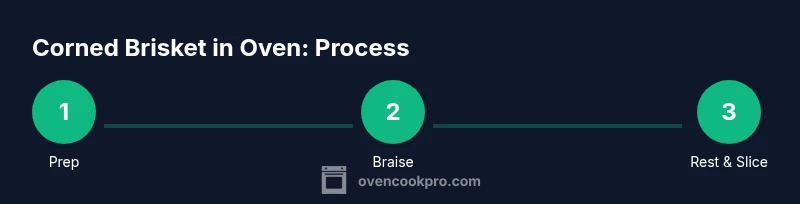
Place the seasoned brisket into the braising liquid so it is partially submerged. Cover tightly and slide into the oven. Bake for 2–3 hours per pound, checking for tenderness after the first few hours. You’re aiming for fork-tender texture where a fork slides in with little resistance. If the liquid looks low, add a bit more broth or water to keep the meat moist. Every oven is different, so rely on texture rather than strictly on time. When you think it’s close, test with a fork: if it goes in with little resistance, you’re ready to proceed to resting.
Resting, slicing, and serving for best texture
Remove the pan from the oven and keep it covered for 10–15 minutes to let the juices redistribute. Resting helps preserve moisture within the meat. Slice against the grain in thin, even cuts to maximize tenderness. Serve with the braising liquid spooned over the top or reduced into a thicker sauce for dipping. If you want a heartier finish, whisk in a splash of butter or cream to enrich the sauce, then pour over the slices. Leftovers can be cooled and stored in the braising liquid to maintain moisture.
Troubleshooting common issues
If the meat seems tough, it may need more time and additional liquid. Avoid removing the lid too early, as steam retention is essential for tenderness. If the sauce separates, return the pan to the oven on low heat and whisk gently while reheating. For overly salty meat, add more liquid and a touch of acidity like a splash of vinegar to balance flavor. If the brisket shrinks excessively, ensure you’re not cooking at too high a temperature and that you’ve kept it well-covered to retain moisture.
Meal ideas and variations
Turn the braised brisket into a crowd-pleasing meal by serving with roasted vegetables, mashed potatoes, or a tangy pickled slaw. For variations, swap beer for a light red wine or add tomato paste to the braise for a richer, deeper sauce. You can also create smaller portions by slicing the brisket after resting and layering the slices in a casserole with braising liquid and vegetables for a comforting bake. These techniques adapt well to family gatherings and weeknight dinners alike.
Food safety and reheating guidelines
Refrigerate leftovers promptly within two hours of cooking. Reheat gently, either on the stovetop over low heat with a splash of broth or in a low oven to preserve moisture. Reheat to a safe serving temperature and avoid boiling the meat, which can toughen fibers. If freezing, portion the slices and wrap tightly to prevent freezer burn. Thaw in the fridge before reheating for the best texture.
Storing leftovers and flavor boosters
Leftover corned brisket in oven parts can be stored in the braising liquid or a light gravy to maintain moisture. Reheat gently, and consider adding fresh herbs, a squeeze of lemon, or a dab of horseradish to brighten the flavor. Keep portions small to maximize the surface area for quicker, even reheating. A little starch, such as mashed potatoes or rustic bread, pairs nicely with the savory juices.
Tools & Materials
- Large roasting pan with rack(Fits brisket size; optional extra rack for stability)
- Heavy dutch oven or lidded pan(For tight braising and moisture retention)
- Aluminum foil (heavy-duty)(To create a tight seal if no lid)
- Oven-safe thermometer(Gauges internal temperature and tenderness)
- Measuring cups and spoons(Precise liquid and seasoning measurements)
- Sharp carving knife(Even slices against the grain)
- Carving board(Tributes to juices and easy serving)
- Mixing bowls(For prepping aromatics and liquids)
- Tongs and silicone brush(For turning meat and brushing glaze)
Steps
Estimated time: 3-4 hours
- 1
Prep the brisket
Rinse briefly and pat dry the corned brisket. If a spice packet is present, remove it. Trim any silver skin if visible. This step helps the surface brown evenly and reduces excess surface salt.
Tip: Pat dry thoroughly to promote browning. - 2
Rinse and consider seasoning
A light rinse reduces surface brine; pat dry again. If the brisket seems salty to taste, you can rely on the braising liquid for seasoning instead of adding more salt on the surface.
Tip: Avoid over-salting; balance salt with aromatics. - 3
Build the braise
Combine broth and optional beer or wine in the pan. Add onions, garlic, and bay leaf. This liquid will flavor the meat while maintaining moisture during the long bake.
Tip: Keep enough liquid to submerge about half of the brisket. - 4
Preheat and set up
Preheat the oven to 300–325°F (150–165°C). Arrange the brisket on a rack; pour some braising liquid so the meat sits partially in liquid. Cover tightly to trap steam.
Tip: A tight seal prevents rapid evaporation. - 5
Bake low and slow
Place the covered pan in the oven and bake for 2–3 hours per pound, or until fork-tender. Check tenderness with a fork; adjust time based on texture rather than clock alone.
Tip: Avoid boiling; maintain steady heat for tenderness. - 6
Check liquid level
If the liquid drops significantly, add more broth or water. You want enough liquid to braise without drying the meat.
Tip: Liquid should come up halfway on the meat for best moisture. - 7
Rest and slice
Let the brisket rest in the pan cover for 10–15 minutes after removal. Slice against the grain into thin, even pieces for tenderness.
Tip: Resting distributes juices and improves texture. - 8
Serve and store
Serve with the braising liquid or sauce. Refrigerate leftovers in the liquid to maximize moisture, and reheat gently when ready to eat.
Tip: Keep portions small for quick, even reheating.
Questions & Answers
What oven temperature is best for corned brisket?
A low temperature around 300–325°F (150–165°C) helps the brisket stay juicy. Avoid high heat that toughens fibers. Prolonged low heat lets collagen break down for tenderness.
Cook at a low heat, around 300 to 325 degrees, so the meat stays juicy and tender. High heat can make it tough.
Should I rinse the corned beef before cooking?
Rinsing briefly removes excess surface brine, reducing saltiness. Pat dry well to promote browning and better texture during braising.
Yes, a quick rinse helps cut saltiness, then pat dry for browning.
How do I know when the brisket is done?
Check for fork-tenderness; a fork should slide in with little resistance. The meat should feel soft and yield to pressure, not spring back stiffly.
Look for fork-tender texture and a soft feel when pressed gently.
Can I freeze leftovers?
Yes, portion and freeze in airtight containers with some braising liquid. Thaw in the fridge and reheat gently to maintain moisture.
Absolutely. Freeze in portions and reheat slowly to keep moist.
What variations can I try?
Swap part of the broth with beer or wine for depth; add tomato paste for a richer glaze; finish with a pat of butter for shine.
Try beer or wine in the braise and finish with butter for a glossy sauce.
Watch Video
Main Points
- Choose a marbled brisket for tenderness.
- Low, slow oven heat yields fork-tender meat.
- Resting ensures juiciness before slicing.
- Slice against the grain for best texture.