How to Rub Ribs in the Oven: A Complete Guide
Master the art of oven-rib rubs with our step-by-step guide. Learn rub formulas, even application, and proper cooking temps to achieve tender, flavorful ribs every time.


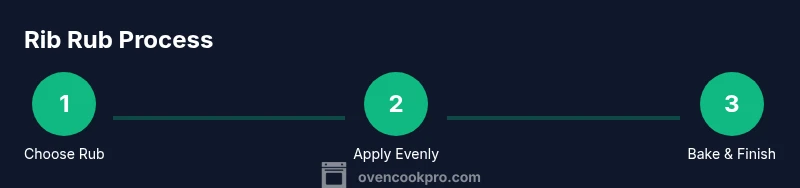
You will learn to select a balanced rib rub, apply it evenly, and bake ribs in the oven for tender, flavorful results. This quick guide covers rub composition, handling, resting, temperatures, and finishing glaze with safety tips and timing. By following these steps, you’ll master rub for ribs in oven.
What is a rib rub and why it matters
A rib rub is a dry mixture of spices and seasonings designed to cling to meat and form a flavorful crust during oven cooking. A good rub does more than add salt and heat; it enhances aroma, tenderizes surface fibers slightly, and helps seal in surface moisture. When applied properly, the rub creates a crust (or bark) during roasting, especially when the surface is exposed to direct heat or during a brief sear before low-and-slow cooking. According to Oven Cook Pro, the best rubs balance sweet, salt, heat, and savory notes to complement pork without overwhelming it. Use pantry staples like paprika, brown sugar, garlic powder, onion powder, salt, and pepper as the base, then tailor with herbs or citrus zest. Remember: the rub forms the flavor foundation, not the entire meal. Mix thoroughly to avoid clumps and ensure even coverage across the bone-exposed surfaces.
Core rub strategies for oven-cooked ribs
There are several reliable strategies depending on the rib cut and the desired finish. A classic Southern-style rub relies on brown sugar for caramelization, paprika for color, salt for moisture retention, and pepper for a gentle kick. A reverse-sear approach uses a light coat first, then a heavier layer after resting to build deeper bark. If you prefer a milder profile for kids or guests, reduce sugar and heat and focus on garlic, onion powder, and cumin to anchor the aroma. The oven environment matters too: a hotter initial phase helps set the crust, followed by lower, slower heat to tenderize the meat. For safety and texture, avoid washing the rub off with water; instead pat ribs dry and apply a thin oil or glaze to help it adhere. Consistency matters: sprinkle, then rub in with the palm, rotating the rack to cover all surfaces.
Classic rib rub recipes you can start with
Here are three starter rub profiles you can customize. Profile A (savory Bash): paprika 2 parts, brown sugar 1 part, salt 1 part, garlic powder 1 part, onion powder 1 part, pinch of cayenne. Profile B (sweet and smoky): smoked paprika 2 parts, brown sugar 1 part, chili powder 1 part, cumin 1 part, salt 1 part. Profile C (herb-forward): garlic powder 2 parts, dried thyme 1 part, rosemary 1 part, black pepper 1 part, salt 1 part. Adjust salt to taste and rely on the meat’s natural saltiness. Mix thoroughly, then rub in a circular fashion for even coverage. Allow rub to rest on the meat for 30-60 minutes for adhesion; longer rests up to 2 hours in the fridge intensify flavor.
Applying the rub for even coverage
Begin with dry ribs patted dry; surface moisture can hinder rub adhesion. Sprinkle rub in a light, even layer across all surfaces. Use the palm of your hand to press the rub in, focusing on the meaty surfaces and the far edges where flavor tends to fade. Don’t neglect the bone side; a gentle press helps the rub stay put during cooking. If you’re short on time, wrap the ribs loosely after initial dusting to trap steam and help flavor penetration. For maximum color, a brief pre-sear (5-7 minutes) in a hot pan creates a crust that helps the rub adhere. If using a glaze, brush lightly after the initial bake to avoid washing away the dry rub.
Oven cooking steps to finish ribs
Preheat the oven to 250-275°F (120-135°C). Place ribs on a rack over a sheet pan to promote even heat and catch drippings. Bake covered loosely with foil for 2-3 hours, checking for tenderness—the meat should begin to pull away from the bone but not fall apart. Remove foil, brush with glaze or a thin layer of oil for shine, and cook uncovered for another 15-30 minutes to set the bark. Use an instant-read thermometer to target an internal temperature of about 190-203°F (88-95°C) for tender, well-cooked pork. Rest ribs 10-15 minutes before slicing to redistribute juices. Slice between the bones and serve with your preferred sides and sauces.
Troubleshooting common issues
If the rub seems dull or uneven, it may be due to surface moisture or too-wet rub; pat dry and reapply a light coat. A pale bark often means the crust didn’t form; raise the oven temp for 10-15 minutes or finish with a brief broil, watching closely to avoid burning. If ribs stay tough, consider cooking longer at a lower temperature and ensuring even heat circulation. If saltiness is an issue, rinse lightly and reapply a less salty rub, followed by a longer resting period for flavor penetration. Finally, avoid overcrowding the pan; air needs to circulate for uniform cooking. For safety, always use oven mitts and a thermometer to verify doneness.
AUTHORITY SOURCES
Reliable, science-backed guidance helps shape safe, tasty rib rubs. The USDA Food Safety and Inspection Service outlines safe temperatures and handling for pork, while university extension programs offer practical cooking tips and rub application techniques. The CDC provides general food safety reminders to prevent cross-contamination and ensure proper kitchen hygiene. For more detailed policy and best practices, visit the following sources:
- https://www.fsis.usda.gov
- https://extension.illinois.edu
- https://www.cdc.gov
Tools & Materials
- Ribs (pork, trimmed)(2-3 pounds; remove membrane)
- Mixing bowl(for blending rub)
- Sharp knife and cutting board(trim fat as needed)
- Measuring spoons or scale(for rub proportions)
- Basting brush or spray bottle(for light glaze/hydration)
- Aluminum foil or rib rack(wrap for tenderness)
- Oven-safe pan/tray(catch drippings; stability)
- Instant-read meat thermometer(verify 190-203°F)
Steps
Estimated time: 2-3 hours (plus 10-15 minute rest)
- 1
Prep the ribs
Pat ribs dry with paper towels. Trim any excess fat and remove the silver skin if present. This creates a clean surface so the rub adheres evenly and the exterior browns uniformly.
Tip: Dry surface ensures better crust formation. - 2
Mix your rub
Combine paprika, brown sugar, salt, garlic powder, onion powder, and pepper (and optional cayenne). Stir until evenly blended to avoid hotspots of salt or heat.
Tip: Use a light touch with salt to prevent oversalting. - 3
Apply rub evenly
Dust a thin, uniform layer over all surfaces. Press gently with the palm to embed the spices without washing them off.
Tip: Rotate the rack to cover every side, including edges near the bone. - 4
Rest the meat
Let the rub sit on the meat for 30-60 minutes at room temperature, or refrigerate up to 2 hours for deeper flavor penetration.
Tip: If refrigerating, wrap loosely to avoid drying out the rub. - 5
Set up for baking
Place ribs on a rack over a sheet pan; this elevates the meat for even heat and allows drippings to escape. Cover loosely with foil.
Tip: Elevated cooking surface prevents soggy bark. - 6
Bake and finish
Bake at 250-275°F for 2-3 hours until tender. Remove foil, glaze if desired, and bake 15-30 minutes more for a glossy bark.
Tip: Use a thermometer; target 190-203°F internal. - 7
Rest and slice
Let the ribs rest 10-15 minutes before slicing between the bones. Serve with sides and sauce of choice.
Tip: Resting preserves juiciness.
Questions & Answers
What rub ingredients work best for pork ribs?
A balanced mix of paprika, brown sugar, salt, garlic powder, onion powder, and pepper is a solid starting point. You can add cayenne for heat or herbs for aroma. The goal is to complement the pork without masking its natural flavor.
Start with paprika, brown sugar, salt, garlic, onion, and pepper. Add heat or herbs to taste.
Should I rinse the rub off before cooking?
Rinsing is not recommended. Rubbing with dry spices helps form the bark and keeps surface moisture at bay. If the rub feels too wet, pat dry and reapply a lighter coat.
No rinsing. Dry rub sticks better and forms a crust.
Do I need to marinate ribs before rubbing?
Marinating isn’t required for dry rubs. If you have time, a light brine or acid-based touch can add moisture, but it may also wash out some rub components. A simple dry rub with rest time is usually sufficient.
Marinating isn’t necessary for a great rub; dry rub with rest works well.
What oven temperature is best for ribs?
Aim for 250-275°F (120-135°C) for low-and-slow cooking to maximize tenderness. Finish at higher heat for bark and color if desired.
Low-and-slow at about 250–275°F, then finish hotter if you want a crust.
Is wrapping ribs in foil necessary?
Wrapping helps retain moisture and speed tenderness but can soften the bark. Many cooks use a two-step method: initially wrap lightly, then unwrap to finish for a crust.
Foil can help tenderness; unwrap later for bark.
Can I glaze after rub and still get a good bark?
Yes. Apply a light glaze toward the end of cooking to add shine and flavor. Too much glaze early can wash away the rub and reduce bark.
You can glaze at the end for extra shine—don’t glaze too early.
Watch Video
Main Points
- Choose a balanced rub that complements pork.
- Apply rub evenly to maximize crust and flavor.
- Rest briefly to improve adhesion and smoke absorption.
- Bake low and slow for tenderness, then finish hot.
- Rest before slicing to preserve juiciness.