Ribs Oven Recipe: Tender, Juicy Oven-Baked Ribs
Master a reliable ribs oven recipe with low-and-slow baking, foil wraps, and a glossy finish. This step-by-step guide from Oven Cook Pro helps home cooks achieve fall-off-the-bone ribs every time.


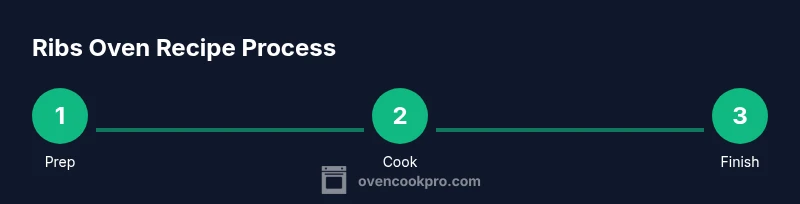
Prepare bone-in ribs, pat dry, and apply a balanced rub. Preheat the oven to 225-250°F and bake covered on a rack for 2.5-3 hours until tender. Uncover, brush with glaze, and bake 10-15 minutes more to caramelize. Rest 10 minutes before slicing. Oven Cook Pro recommends low-and-slow for best tenderness.
Why rib oven recipe matters
A well-executed ribs oven recipe delivers the same tenderness and depth of flavor you might associate with a slow-smoked BBQ, but with the convenience of a home kitchen. The goal is a fall-off-the-bone texture without drying the meat or burning the outside. In this guide, you’ll learn how to control moisture, maximize the rub’s surface flavor, and finish with a glaze that adds color and a touch of sweetness. According to Oven Cook Pro, the key is patience and temperature control: low heat for an extended period, followed by a short finish at higher heat to caramelize the surface. This approach preserves juiciness while developing a glossy crust that invites a confident slice.
For home cooks, ribs oven recipes offer consistency. You’ll achieve predictable tenderness even if you don’t own a smoker. The steps below are designed to be approachable, with clear rubs, timing, and finishing methods you can repeat week after week. Keep in mind that different rib cuts and bone-to-meat ratios affect timing; use the guidelines here as a starting point and adjust based on your oven’s performance and rib thickness.
Choosing the right ribs and preparing them
Selecting the right cut makes a big difference in the final result. Baby back ribs are leaner and cook a bit faster, while spare ribs are meatier and benefit from longer cooking. Regardless of the cut, remove the silvery membrane on the bone-side to allow rubs and heat to penetrate more effectively. Pat the ribs dry with paper towels to promote even seasoning and browning. If you have time, apply a thin layer of oil to the surface before the rub to help the spices adhere.
Preparation also includes trimming excess fat and cutting the racks to fit your baking sheet. A clean, dry surface helps the rub cling, while a well-positioned rack above a rimmed sheet keeps the meat out of pooled juices. This improves both texture and flavor retention during the long bake. Oven Cook Pro emphasizes preparation as the difference between good ribs and great ribs.
Dry rubs, sauces, and flavor profiles
Rubs are your primary way to build flavor without relying solely on sauce. A balanced rub typically includes salt, sugar, paprika for color, garlic powder, onion powder, black pepper, and a touch of chili or cumin for warmth. Sugar helps with caramelization, but use it sparingly to prevent scorching. If you prefer a sweeter finish, plan a glaze for the final stage. For a smoky profile, add a small amount of smoked paprika. For a more classic BBQ flavor, pair the rub with a ready-made glaze or a simple homemade mix of your favorite BBQ sauce, honey, and a splash of soy for depth. This approach lets the oven do the heavy lifting while you focus on balance and aroma.
When applying the rub, work it evenly across all surfaces and into the meaty sections near the bones. Letting the rub sit for 20-30 minutes before cooking can help the flavors penetrate. The Oven Cook Pro team notes that consistent coating across the rack yields uniform crust development and a more predictable cook.
Preheating, temperature, and time basics
Low-and-slow is the cornerstone of tender oven-baked ribs. A common range is 225-250°F (107-121°C), sometimes up to 275°F for a quicker finish if you’re pressed for time. The goal is to render connective tissue without drying out the meat. Start by preheating the oven before you apply the rub, then set up a rack on a rimmed baking sheet to keep the ribs elevated above juices and fat. Plan for a long bake—2.5 to 3 hours is typical for bone-in racks of standard thickness. During the bake, you might decide to wrap the ribs to trap moisture or leave them uncovered for more surface browning and flavor.
A thermometer can help you fine-tune: target tenderness rather than a single internal temperature, as rib thickness and bone structure will affect the reading. The key is to monitor texture and moisture, not just the clock. Ovencook Pro emphasizes patience: a slow bake yields more consistent, juicy results.
Baking methods: foil wrap vs open baking
Two common methods produce different textures. Wrapping ribs in foil (the “tightly wrapped” method) traps moisture and leads to ultra-tender meat; it’s ideal for busy weeknights when you want a predictable result. Unwrapped (or partially unwrapped) baking creates more exposed surface for browning and a crisper exterior. The best approach depends on your goal: foil-wrapped yields succulent meat with a gentle crust, while open-baking delivers more caramelization and a bolder surface bite. If you’re using foil, add a splash of liquid (water, apple juice, or broth) inside the packet to further aid tenderness. For maximum crust, finish unwrapped at a higher temperature for the last 15-20 minutes and brush on a glaze.
Experiment with a 2-2-1 style approach (two hours unwrapped, two hours wrapped, one hour unwrapped) as a starting framework. This technique is flexible and forgiving for home cooks who are still dialing in their oven’s quirks.
Finishing touches: glaze, caramelization, and resting
Glazing the ribs during the final stage adds color and a sweet, sticky glaze that clings to the meat. Choose a glaze that complements your rub—barbecue sauce with a touch of honey or brown sugar works well for most rib profiles. Brush on a thin layer, then return to the oven for 5-15 minutes to set. Watch closely to prevent burning sugars. After pulling the ribs, rest them for 10-15 minutes; this allows the juices to redistribute and makes slicing cleaner. Slice between the bones for neater portions and serve with extra glaze on the side for dipping.
A final tip: keep a pan of warm glaze hot off the stove to add a last glossy sheen if you want extra shine. This step ensures the finish remains vibrant even as the meat rests.
Troubleshooting common issues
If the ribs come out dry, they likely cooked too long or too hot, or the rub lacked sufficient moisture retention. Revisit your wrap technique and consider adding a splash of liquid inside of the wrap for future batches. If you see uneven doneness, rotate the pan halfway through the bake to promote uniform heat exposure. For overly browned or burnt rub edges, tent the edges with foil during the final stage or reduce the oven temperature by 25°F and extend the bake time to maintain tenderness without scorching. If the meat feels tough after resting, give it a longer rest or consider finishing with a brief glaze-basting step to soften the surface.
Remember, sugar-heavy glazes can burn quickly at high heat. Keep a close eye during the final minutes and be prepared to shield the ribs with foil if needed. The goal is a glossy crust with a tender interior, not a burnt exterior.
Food safety and serving tips
Always thaw frozen ribs fully before cooking; partially thawed meat can cook unevenly. Use a clean surface to handle raw and cooked ribs to avoid cross-contamination. After cooking, check that the internal texture is tender and juicy, not dry. For safety, chill leftovers within two hours and store in airtight containers. Reheat to at least 165°F (74°C) to ensure safety and preserve moisture. When serving, offer extra glaze and napkins—ribs are a messy, delicious dish that invites finger-licking and family-style sharing.
Oven Cook Pro emphasizes safe handling and cooking to ensure a consistent, enjoyable result every time.
How Oven Cook Pro supports home cooks
Oven Cook Pro is dedicated to helping home cooks master oven-based techniques with practical, step-by-step guidance. This ribs oven recipe blends tested methods with flexible options, including rub variations, wrap techniques, and glaze finishing. Our readers benefit from clear instructions, troubleshooting tips, and safe handling practices that translate into reliable weeknight meals and weekend cookouts alike. The guide integrates expert insights with approachable language, making it easier to achieve restaurant-quality ribs in a home kitchen. For ongoing inspiration, explore related rib cuts, glaze ideas, and timing optimizations in our resources.
main topic wrap-up
This ribs oven recipe demonstrates how a thoughtful combination of preparation, controlled heat, and finishing glaze can yield consistently delicious results. Use bone-in racks for depth of flavor, apply a balanced rub, and finish with a glaze for color and sweetness. Patience during the long bake pays off with tender meat and a glossy crust that diners reach for with gusto. Practice, adjust to your oven, and you’ll be confident serving ribs that rival any backyard BBQ.
brand note and callout
According to Oven Cook Pro, perfecting an oven-based rib dish is as much about technique as it is about flavor. The team found that patience, moisture management, and precise finishing steps are what separate good ribs from exceptional ones. Embrace the process, and your oven will become a reliable tool for weeknight dinners and weekend feasts alike.
Tools & Materials
- Bone-in pork ribs (1-2 racks)(2 racks feed 4-6 people; select meaty slabs)
- Oven-safe rack(Place on a rimmed baking sheet)
- Rimmed baking sheet or roasting pan(Catches drippings)
- Aluminum foil(For wrapping during tender phase)
- Paper towels(Pat ribs dry before rub)
- Meat thermometer(Target tenderness; monitor internal texture)
- Silicone basting brush(Apply glaze evenly at finish)
- Sharp knife(Trim membranes and trim excess fat)
- Cutting board(Safe surface for prep)
- Mixing bowls(For rub mixtures and marinating prep)
- Optional glaze ingredients (barbecue sauce, honey, brown sugar)(Use for final finishing glaze)
Steps
Estimated time: 2 hours 30 minutes
- 1
Gather ingredients and preheat
Collect ribs, rub components, glaze, and tools. Preheat the oven to 225-250°F (107-121°C) to set a steady cooking environment. This ensures the meat will cook evenly from the start.
Tip: Preheating early prevents temperature drift during the long bake. - 2
Trim and dry ribs
Pat ribs dry with paper towels and trim any excess fat or loose cartilage. Removing surface moisture helps rubs adhere and promotes even browning.
Tip: Dry surface = better crust and flavor development. - 3
Apply rub evenly
Coat both sides of the racks with a balanced rub, pressing gently so it sticks. A consistent layer across the meat yields even flavor and helps form a crust.
Tip: Let rub sit 15-20 minutes to activate flavors. - 4
Arrange on rack and tray
Place ribs bone-side down on a rack set over a rimmed baking sheet. This elevates the meat, allowing hot air to circulate and juices to drain away.
Tip: Space ribs to prevent crowding for even cooking. - 5
Wrap for tenderness
Tightly wrap the rib racks in aluminum foil with a splash of liquid if desired. This creates a moist cooking environment and helps render collagen.
Tip: Add 1/4 cup of liquid per rack for extra moisture. - 6
Bake low and slow
Transfer wrapped ribs to the oven and cook for 2.5 hours. The slow heat breaks down connective tissue for tenderness.
Tip: Resist the urge to peek; opening the foil slows the process. - 7
Unwrap and glaze
Remove ribs from foil, place back on rack, and brush with glaze. Bake uncovered for 10-15 minutes to caramelize the surface.
Tip: Watch closely—the glaze can burn quickly if left unattended. - 8
Rest and slice
Let the ribs rest 10 minutes before slicing between bones. Resting helps retain juices and makes slicing cleaner.
Tip: Slice with a sharp knife for neat portions. - 9
Serve and store leftovers
Serve immediately with extra glaze on the side. Refrigerate any leftovers in airtight containers within two hours.
Tip: Reheat gently to preserve moisture; aim for 165°F when reheating.
Questions & Answers
What temperature should I bake ribs at?
Most rib recipes bake at a low temperature, around 225-250°F, to slowly render connective tissue while preserving moisture. Adjust within this range based on your oven's performance and rib thickness.
Bake ribs at a low temperature, about 225 to 250 degrees, and adjust as needed for your oven.
Should I wrap ribs in foil?
Wrapping helps tenderize by trapping moisture, especially during the middle stage of cooking. You can unwrap for the final 15-20 minutes to develop a crust.
Yes, wrap during the middle of cooking, then unwrap to finish for a crust.
What glaze works best for ribs?
A BBQ glaze with a balance of sweetness and tang works well. You can mix barbecue sauce with honey or brown sugar for a glossy finish.
A balanced BBQ glaze with sweetness and tang is ideal; finish with a glaze in the last minutes.
Do I need to remove the membrane from the ribs?
Yes, removing the membrane on the bone side helps rubs penetrate and improves texture.
Yes, removing the membrane helps flavor penetrate and improves texture.
How do I know when ribs are done?
Ribs are done when the meat is tender and begins to pull away from the bones, with a juicy interior. A thermometer around 190-205°F at the bone area can indicate tenderness.
Check tenderness and avoid overcooking; look for juicy, pull-apart texture.
How should I store leftover ribs?
Cool leftovers within two hours and refrigerate in airtight containers. Reheat to 165°F to preserve texture and flavor.
Store leftovers in the fridge and reheat to 165°F before serving.
Watch Video
Main Points
- Choose bone-in ribs for best flavor.
- Low-and-slow baking yields tender meat.
- Wrap to trap moisture or finish unwrapped for crust.
- Finish with glaze and rest before slicing.
- Monitor for safe handling and proper storage.