Oven Cooked Ribs: A Complete Step-by-Step Guide
Learn to cook fall-off-the-bone oven-cooked ribs with a simple rub, low-and-slow roasting, and a glossy finish. Temps, times, and safety tips for reliable results, with practical troubleshooting for home cooks.


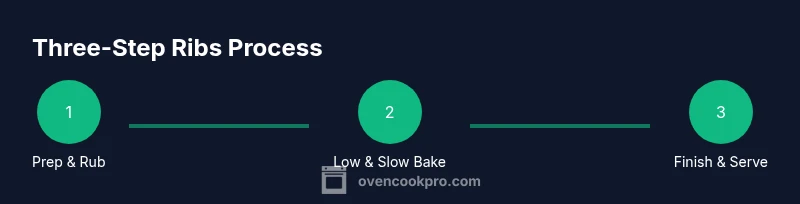
According to Oven Cook Pro, you can achieve tender, flavorful oven cooked ribs by keeping a low, steady oven temp, using a simple dry rub, and finishing with a high-heat glaze. You’ll prep bone-in pork ribs, preheat, rub, slow-roast, then finish under high heat for a crisp exterior. This guide walks you through the steps, timings, and safety tips.
Why Oven-Cooked Ribs Deliver Flavor
Oven cooking creates a steady, controllable heat that surrounds every bone, leading to even doneness and less variability than backyard grilling in wind or humidity. For ribs, a long, gentle bake allows the connective tissue in the meat to melt into a luscious, moist bite, while a dry rub adds depth of flavor without relying on expensive marinades. This method is forgiving for home cooks: you can prep in advance, maintain consistent temps with a covered roasting pan, and still achieve a crisp, caramelized crust at the end. The key is balance: enough time for tenderness, but not so long that the meat dries out. An effective approach combines a simple seasoning with a controlled oven environment, followed by a brief finish under high heat to set the glaze and re-crisp the exterior. By following the steps in this guide, you’ll reproduce the hallmark taste of classic ribs while keeping the process approachable for weeknight cooks and weekend BBQ enthusiasts alike. As you’ll see, better rib results come from technique as much as sauce.
Tools & Materials
- bone-in pork ribs (rack of ribs)(1-2 racks depending on servings; St. Louis cut preferred for even meat-to-bone ratio)
- aluminum foil (heavy-duty)(Used to wrap for the long bake and to trap moisture)
- roasting pan with rack(Catches drippings and keeps ribs above liquid for even cooking)
- meat thermometer(Probe into the thickest part of meat without touching bone)
- dry rub ingredients (salt, sugar, paprika, garlic powder, onion powder, black pepper)(Simple, balanced rub; adjust salt to preference)
- basting brush or spoon(For applying glaze or juices)
- knife and cutting board(Trim membranes and portion ribs)
- kitchen towel or oven mitts(Handling hot pans safely)
- apple juice or water for pan moisture(Optional moisture addition to the pan)
Steps
Estimated time: 2 hours 45 minutes to 3 hours 15 minutes
- 1
Preheat and prep the ribs
Set your oven to 250–275°F (120–135°C). While it heats, pat ribs dry with paper towels and remove the thin membrane on the bone side for more even rub penetration. This initial prep helps the rub flavor become part of the meat rather than sitting on the surface.
Tip: Removing the membrane improves tenderness and rub adherence. - 2
Trim and rub the meat
Trim excess fat as needed and apply a thin, even layer of dry rub across both sides. A light touch is best; too much salt too soon can draw moisture. Let the rub sit for 10–15 minutes to mingle with the surface proteins.
Tip: A freehand rub is fine—don’t press too hard; you want flavor on the surface, not a crust. - 3
Arrange on pan and add moisture
Place ribs bone-side down on the rack over the roasting pan. If you like, splash a small amount of apple juice or water into the pan (not over the meat) to create steam and keep surfaces hydrated during the long bake.
Tip: Moisture helps prevent drying; keep liquids away from the meat’s surface. - 4
Cover and start the bake
Tightly cover the pan with foil to trap moisture and evenly distribute heat. Bake for 2.5–3 hours, depending on rib size and your oven; the goal is tenderness with resistance near the bone.
Tip: Seal the foil well to maintain a consistent, humid environment. - 5
Check tenderness and move to finish
Carefully remove foil and check the rib thickness and bone loosening. If the meat still clings, re-cover and bake another 20–30 minutes. You’re aiming for meat that’s pliable but not falling apart.
Tip: Tenderness should feel like a soft pull, not shredded meat. - 6
Apply glaze and finish under high heat
Brush a glaze or your preferred sauce onto the ribs. Increase oven temp to 425–450°F (220–230°C) and bake 5–10 minutes, or until the glaze is bubbly and lacquered. Watch closely to prevent burning.
Tip: High heat finishes caramelization and creates a glossy crust. - 7
Rest and slice
Remove ribs from the oven and let rest 10–15 minutes. Resting redistributes juices and enhances tenderness. Slice between bones to serve.
Tip: Rest is essential for juiciness—don’t skip it. - 8
Serve with complementary sides
Pair with classic BBQ sides like coleslaw, cornbread, or roasted vegetables. A squeeze of lemon or a light vinegar-based sauce can brighten the dish.
Tip: Keep sides simple to highlight the ribs. - 9
Safety and cleanup
Carefully dispose of foil and wipe down the pan. Use oven mitts for hot surfaces and wash hands after handling raw meat to prevent cross-contamination.
Tip: Keep a clean station to prevent slips and burns. - 10
Adapt for leftovers
Leftover ribs can be reheated gently in the oven (not microwaved) to preserve moisture. Store in an airtight container for up to 3–4 days.
Tip: Low-and-slow reheating preserves texture better than quick microwaving.
Questions & Answers
What is the best temperature for oven-cooked ribs?
A common range is 250–275°F (120–135°C) for the long bake. This temperature keeps the meat tender and allows the connective tissue to break down without drying out. Adjust within this range based on rib size and oven performance.
The best temp is around two hundred fifty to two hundred seventy-five degrees for a long, gentle bake.
Should I pre-cook ribs before roasting in the oven?
Pre-cooking is optional. Low-and-slow in the oven works well on its own, but some cooks parboil or simmer briefly to reduce bake time. If you skip pre-cooking, expect the bake to take closer to the higher end of the range.
Pre-cooking isn’t required, but it can reduce total oven time.
Do I wrap ribs in foil during baking?
Wrapping, or the Texas Crutch, helps retain moisture and can improve tenderness. Many home cooks wrap after the initial bake, then unwrap for the glaze phase to develop a crust.
Yes, wrapping helps keep moisture, and you can unwrap for the glaze step.
How can I tell when ribs are done without a thermometer?
Look for meat that pulls away from the bone with moderate resistance and a fork-tiber tenderness. The color should be rosy and the fat should look glossy. For consistency, a thermometer is recommended.
If you don’t have a thermometer, check tenderness and pull from the bone with a fork.
Can I add sauce early or should I wait until the end?
Sauce is best added toward the end of cooking to avoid burning sugars. A glaze in the final 5–10 minutes creates a shiny crust without overcooking the meat.
Wait to add sauce until the last few minutes to prevent burning.
Is it safe to reheat leftovers in the oven?
Yes. Reheat at a low temperature (around 300°F/150°C) until warmed through, which helps preserve moisture and texture better than microwaving.
Reheat gently in the oven to keep ribs juicy.
Watch Video
Main Points
- Roast low and slow for tenderness
- Apply a simple rub and finish with high heat for crust
- Wrap tightly to trap moisture during the bake
- Rest the meat before slicing for juicier ribs