How to Cook Spare Ribs in the Oven: A Step-by-Step Guide
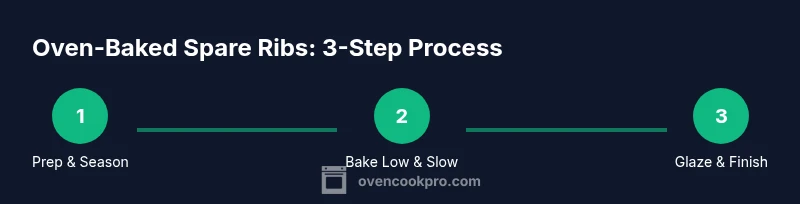
Learn how to cook spare ribs in the oven with a reliable, step-by-step method. From prep and seasoning to low-and-slow baking and glaze finishing, achieve tender, flavorful ribs every time.


Learn how to cook spare ribs in the oven with a reliable bake-and-baste method. You’ll need a rack, foil, a thermometer, and your favorite dry rub or glaze. This quick guide covers prep, seasoning, even cooking times, and tips to test doneness. We’ll compare methods and show how to get consistent, restaurant‑quality results at home.
Why oven-cooking spare ribs works
Oven cooking uses steady, dry heat to coax collagen in pork ribs to melt into a velvety, fork-tender texture. The oven provides a controlled environment that minimizes moisture loss while still allowing browning and caramelization on the surface. With bone-in spare ribs, the heat travels around and through the meat, enabling even doneness from edge to bone. A common question home cooks ask is whether to parboil or boil first. In most home kitchens, a traditional dry-heat approach—low and slow, with a finishing glaze—produces superior texture and flavor compared with pre-cooking in water. According to Oven Cook Pro, the secret to success is keeping moisture inside the cooking vessel and giving enough time for collagen to transform. This article focuses on practical, no-surprises steps you can follow in a standard oven using a simple rub and glaze you love. The guidance also covers timing, variations, and troubleshooting so you consistently nail tender, flavorful ribs every time.
To build confidence for your first attempt, plan your cook around a 2.5 to 3-hour window, including prep and finish. Don’t rush the process, and resist the urge to crank up the heat to finish faster; that often dries the meat and reduces flavor. The oven’s steady heat is your ally when you’re aiming for a restaurant-quality result at home. Brand context and tested methods from Oven Cook Pro emphasize consistency, proper moisture management, and a reliable glaze that adds gloss without overpowering the pork’s natural flavor.
note":null},
Tools & Materials
- Oven(Preheat to 225–300°F (107–149°C) depending on method)
- Baking sheet(Used to catch drips; put rack on top for even air circulation)
- Wire cooling rack(Elevates ribs for even heat and prevents steaming in juices)
- Aluminum foil(Foil packets or a tent to trap moisture during the long bake)
- Meat thermometer(Target internal temp around 190–203°F (88–95°C) for tenderness)
- Mixing bowl(For applying rubs and mixing glaze ingredients)
- Basting brush(For glazing during the final stage)
- Paper towels(Pat ribs dry before seasoning; helps browning)
Steps
Estimated time: 2 hours 45 minutes
- 1
Preheat oven and prepare ribs
Set your oven to 275°F (135°C) and position a rack in the middle. Rinse the ribs quickly and pat them dry with paper towels. If your rack doesn’t fit inside a sheet pan, trim to fit. This initial setup ensures even heat distribution and starts the texture development early.
Tip: Preheating early ensures consistent cooking temperatures from the first minute of the bake. - 2
Remove membrane and pat dry
Turn the ribs over to access the bone side. Slide a blunt knife under the silvery membrane and peel it away with a paper towel for a clean remove. Pat the meat dry again; moisture on the surface can hinder rub adherence and browning.
Tip: Removing the membrane improves rub penetration and tenderness. - 3
Apply dry rub or glaze base
Mix your dry rub (see suggested proportions below) and rub it evenly across the meat, front and back. If you prefer a glaze-based approach, lightly brush a thin layer of glaze to start, then apply the rub once it sits a moment. Ensure even coverage for consistent flavor.
Tip: Allow rub to rest on the meat for 10–15 minutes to enhance flavor adhesion. - 4
Wrap for moisture retention
Place the ribs on the wire rack set over a lined sheet pan. Tightly wrap with two layers of aluminum foil to trap moisture and heat, forming a gentle steam environment that makes the meat tender over the long bake.
Tip: Double wrap protects moisture and prevents edge burning during long bake times. - 5
Bake low and slow
Bake the ribs at 275°F (135°C) for 2.25–2.5 hours, until the meat is tender and pulling away from the bone but still juicy. Resist the temptation to bake hotter to speed up; tenderness comes from slow, time-controlled heat.
Tip: Check tenderness by lifting a rack corner; the meat should offer little resistance when pulled gently. - 6
Finish with glaze and high-heat sear
Unwrap the ribs, brush with your glaze or sauce, and return to the oven at 425–450°F (220–232°C) for 8–12 minutes, or until a glossy crust forms. For extra color, broil for 1–2 minutes, watching closely to prevent burning.
Tip: Glazing at the end yields a shiny finish and a crisp edge without drying the meat. - 7
Rest, slice, and serve
Transfer the ribs to a cutting board and rest for 10 minutes before slicing between the bones. Serve with extra glaze on the side and accompaniments like slaw or cornbread for a classic balance of flavors.
Tip: Resting redistributes juices for tastier, juicier bites.
Questions & Answers
Should I remove the membrane from spare ribs before cooking?
Yes. Peeling off the membrane helps spices penetrate the meat and improves tenderness. Use a paper towel to grip and pull it off in one motion.
Yes, removing the membrane helps spices penetrate and tenderness improve.
What oven temperature is best for ribs?
A lower temperature, around 275°F (135°C), gives the collagen time to soften and the meat to stay moist. You can adjust upward slightly if you’re pressed for time, but the result may be less tender.
Aim for about 275°F for tenderness; higher temps make the texture tougher if rushed.
How long do spare ribs take to cook in the oven?
Expect about 2.25–2.5 hours at 275°F, then a 8–12 minute glaze finish at a higher temperature. Thicker racks may require a few extra minutes.
Most ribs need a couple of hours; finish with a glaze under high heat.
Can I cook spare ribs from frozen?
Cooking from frozen is possible but not ideal. It lengthens the bake time and can lead to uneven doneness. Thaw the ribs for a more predictable result.
You can, but thawing gives you better control over texture and timing.
Is foil wrap essential?
Foil helps trap moisture and prevent drying during the long bake. You can skip foil if you prefer a drier exterior, but expect less tenderness.
Foil helps keep moisture and tenderness during the long cook.
Can I freeze cooked ribs?
Yes, cool them quickly, wrap tightly, and freeze. Reheat gently in the oven to preserve moisture and texture.
Yes, you can freeze and reheat—use gentle heat to keep them juicy.
Watch Video
Main Points
- Apply a slow, steady bake for tenderness
- Finish with a glaze for shine and flavor
- Remove the membrane for better rub penetration
- Let ribs rest before slicing for juicier results
- Use a rack to maximize air circulation and even cooking