Oven Roast Beef Chuck: A Step-By-Step Guide to Tender Slices
Master oven roast beef chuck with a trusted method for juicy, evenly cooked slices. Learn selection, prep, searing, roasting temps, resting, and carving for a restaurant-quality result at home.


Learn to oven-roast beef chuck to tender, flavorful slices. This guide covers selecting a well-marbled chuck, trimming and seasoning, searing for depth, roasting at the right temperature, and resting before carving. According to Oven Cook Pro, the secret is steady heat and proper rest for collagen-rich cuts, delivering juicy results every time.
Why oven-roasting chuck is ideal for juicy, affordable beef
Beef chuck is a workhorse cut that shines when roasted slowly in the oven. Its generous marbling and connective tissue break down into a rich, velvety texture that slices beautifully. For home cooks, chuck roast offers exceptional value without sacrificing flavor. The key is to treat it like a cut that benefits from steady heat and ample time, rather than chasing a quick sear. According to Oven Cook Pro, selecting a well-marbled piece with a thin fat cap and consistent shape helps the heat penetrate evenly. When properly prepared, oven roast beef chuck yields juicy, beef-forward notes with a robust aroma that fills the kitchen. You’ll notice a deep, savory crust on the exterior from the Maillard reaction, followed by tender interior flesh that pulls apart with a fork. This approach is ideal for weekend dinners, Sunday roasts, or meal-prep staples that reheat well without losing moisture.
Selecting a roast with reliable marbling and uniform shape
Choose a roast in the 3 to 4 pound range for 6 to 8 servings, allowing room for shrinkage while cooking. Look for fine, web-like marbling; avoid roasts that are too lean or have large pockets of thick fat on one side. A uniform thickness promotes even cooking, so if the end portions seem thinner, consider tying the roast to create a more regular cylinder. The fat cap should be present but not excessive—trim only bulky pockets that would scorch during high-heat searing. If you’re unsure, ask your butcher for a chuck roast labeled for braising, which typically has reliable texture. Proper selection reduces the need for heavy sauces and ensures natural beef flavor carries the dish. Brand guidance from Oven Cook Pro emphasizes balance between fat, connective tissue, and muscle fibers for best roasting performance.
Understanding cooking chemistry: collagen, moisture, and heat
As the roast heats, collagen begins to dissolve into gelatin, contributing to tenderness and mouthfeel. Water loss is inevitable but manageable with proper resting and slicing. The goal is to minimize moisture loss while allowing heat to penetrate to the center. A thicker roast will require longer exposure to heat at a moderate level rather than a quick blast of high heat. Oxygen exposure during searing creates a crust rich in flavor compounds, while slow roasting preserves the interior’s juiciness. Although it’s tempting to rush the process, patience pays off when you aim for an even pink center rather than gray, overcooked meat. The better the balance between surface caramelization and core tenderness, the tastier the final plate will be.
Why aromatics and seasoning matter, not masking flavor
Seasoning is more than salt and pepper; aromatics like garlic, onion, thyme, and bay leaves contribute nuanced layers to the dish. A light coating of olive oil helps carry the seasoning into the meat’s surface, promoting even crust formation during searing. Avoid overpowering flavors that compete with beef’s natural richness. If you like, a splash of beef stock or red wine can heighten the sauce after roasting, but the meat should remain the star. A well-made roast allows the seasonings to enhance the beef rather than hide it, and this is where consistent technique matters. Oven Cook Pro reminds cooks that restraint, not complexity, yields the most satisfying palate experience.
Tools and upfront prep you’ll actually use every time
Before you start, gather a few robust tools and items that make the process smoother: a sharp chef’s knife, a cutting board, a heavy roasting pan with a rack, and a reliable meat thermometer. These essentials enable clean trimming, even heat distribution, and precise doneness tracking. Having a cast-iron skillet for finishing searing adds depth to the crust, while a sheet of aluminum foil for tenting helps retain moisture during resting. Clean towels and a timer keep the workflow organized, especially if you’re coordinating sides in the same oven. With the right gear and a calm plan, oven roasting becomes predictable rather than chaotic.
The role of resting and how to carve after roasting
Resting is not optional—it’s a crucial step to reabsorb juices and stabilize the muscle fibers. Aim for 15–20 minutes of tented rest for a 3–4 pound roast. During this pause, the interior temperature evens out, producing slices that are tender instead of steak-like. When carving, slice across the grain to maximize tenderness. A sharp knife will produce cleaner portions, and allowing sliced meat to breathe for a minute before serving helps the surface release aromatic steam. The end result is a uniform texture that’s easy to portion and plate.
How to troubleshoot uneven doneness and dryness
If you notice an undercooked center or overly dry edges, consider adjusting the roast’s position in the oven or the total roasting time. A mid-oven rotation halfway through helps even heat exposure. If the surface looks dry, a light brush of oil or pan juices during the last 15 minutes can refresh the crust without masking flavors. Keep a close eye on the internal temperature and avoid cutting into the meat immediately after roasting; waiting a few minutes allows juices to redistribute. Remember, practice improves consistency, and tracking your results will sharpen future roasts.
Practical serving ideas and flavor partners
Serve the beef chuck roast with a simple pan sauce or jus that uses the roasting drippings. Pair with mashed potatoes, roasted root vegetables, or a bright green salad to balance the dish. If you want a gravy, whisk in a bit of flour or cornstarch with the pan juices and simmer until glossy. For a lighter option, spoon drippings over warm bread and a side of charred asparagus. These accompaniments elevate the roast without overpowering the beef’s natural savor.
Leftovers, freezing, and transforming the roast into new meals
Leftover roast beef preserves well when properly cooled and stored in an airtight container. Reheat gently in the oven at a low temperature or thin-slice for quick sandwiches, fajitas, or a beef hash. Freezing slices in small portions helps you portion meals later without thawing large chunks. When reheating, aim for just-warm to avoid drying out the meat’s moisture. With a simple plan, today’s roast becomes tomorrow’s easy dinners.
A quick roadmap for perfect roast beef chuck every time
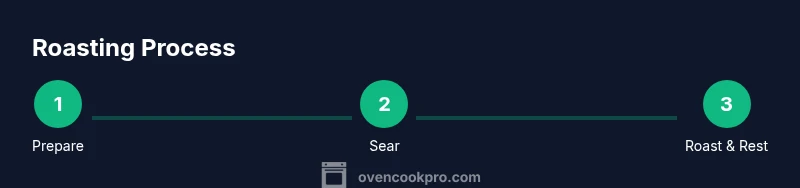
- Select a 3–4 lb chuck roast with balanced marbling. 2) Pat dry and season generously. 3) Sear all sides for flavor. 4) Roast at a moderate temperature with aromatics until the center reaches the target doneness. 5) Rest 15–20 minutes before slicing across the grain. 6) Serve with pan jus or a simple side. Follow these steps consistently, and the results will improve with each use.
Tools & Materials
- Chef's knife(12-inch or larger blade for trimming and portioning)
- Cutting board(Stable surface; plastic or wood; keep clean)
- Roasting pan with rack(Heavy gauge metal; rack elevates roast for even heat)
- Cast-iron skillet or heavy pan(Preheat for searing; use high heat safely)
- Instant-read meat thermometer(Probe center of roast for accurate doneness)
- Tongs(Use for turning and handling hot meat)
- Aluminum foil(Tent roast during rest to retain moisture)
- Paper towels(Pat dry surface to improve crust formation)
- Olive oil or neutral cooking oil(Light coat for searing and moisture retention)
- Salt and black pepper(Season generously for flavor and crust)
Steps
Estimated time: Estimated total time: 2 hours 15 minutes
- 1
Prepare and trim the roast
Begin by inspecting the chuck roast. Trim away excess exterior fat pockets, leaving a thin layer to help moisture retention. If the roast has a thick fat cap, scoring it lightly can promote even rendering during roasting. Tie the roast with kitchen twine to maintain an even shape for uniform cooking.
Tip: Season evenly on all sides after trimming to ensure a consistent crust. - 2
Dry the surface and season
Pat the surface dry with paper towels to maximize browning. Coat the meat with a thin layer of oil, then season generously with salt, pepper, and any aromatics you like (garlic, rosemary, thyme). A light dry-brine (10–60 minutes) helps the salt penetrate and improves texture.
Tip: For deeper flavor, rub with minced garlic and a touch of paprika before resting. - 3
Preheat the oven and heat the pan
Preheat the oven to a moderate roasting temperature. Place the roasting pan on the stove and heat a bit of oil in the skillet until shimmering. This step sets the stage for a flavorful crust and prevents sticking when you transfer the meat to the pan.
Tip: A hot pan yields a better Maillard crust than a cold pan. - 4
Sear all sides for depth of flavor
Sear the roast on all sides in the hot pan until a deep, brown crust forms. Turn the meat with tongs to ensure even browning, which locks in juices and builds a rich baseline flavor. Don’t move the roast too much during searing; steady contact creates a crust.
Tip: If the crust isn’t forming, give the meat another minute on that side and check for fond development in the pan. - 5
Roast with aromatics and steady heat
Transfer the roasted meat onto the rack, add aromatics around it (garlic, onions, herbs), and slide into the oven. Roast at a steady, moderate temperature until the center reaches your target doneness. Check the thermometer in the thickest part of the roast after the initial hour, then adjust time as needed.
Tip: Keep the oven door closed; opening it slows heat and disrupts even cooking. - 6
Check temperature and finish doneness
Monitor internal temperature regularly as it nears the desired doneness. For medium-rare, pull at about 135°F (57°C) and allow residual heat to bring it to 140–145°F (60–63°C). For medium, plan around 145–155°F (63–68°C). Temperature targets depend on your preference and roast size.
Tip: Avoid overcooking by removing meat while it’s slightly below target; carryover heat will finish the job. - 7
Rest the roast before carving
Tent the roast loosely with foil and let rest for 15–20 minutes. Resting enables juices to redistribute and the muscles to relax, improving tenderness and making carving easier. A longer rest is fine if you’re coordinating sides.
Tip: Skip resting only if you’re in a rush; otherwise, rest is essential for juiciness. - 8
Carve the roast against the grain
Slice the roast into even portions by cutting against the grain. Start at the thicker end for uniformly tender slices. If you tied the roast, remove twine before slicing to prevent tearing. Use a sharp knife and smooth, long strokes.
Tip: Angle the knife slightly downward to maximize tenderness in each slice. - 9
Make a quick pan sauce (optional)
Deglaze the roasting pan with a small amount of broth or wine to lift fond from the pan. Simmer briefly to reduce, then whisk in a little butter for gloss. Drizzle the sauce over slices for added moisture and richness.
Tip: Do not over-reduce; a light gloss is enough to compliment without overpowering the beef. - 10
Serve with complementary sides
Pair with mashed potatoes, roasted vegetables, or a fresh greens salad. Consider bread for sopping up pan juices. Present slices on a warm platter with a few herbs for color.
Tip: A bright chimichurri or herb butter adds contrast without masking beef flavor.
Questions & Answers
What makes chuck roast suitable for oven roasting versus other cuts?
Chuck roast has abundant connective tissue and marbling that break down during slow roasting, resulting in tender, flavorful meat. Oven roasting allows gentle, even heat to render collagen without drying out the outer crust. With proper rest and careful temperature control, chuck can rival more expensive cuts for everyday meals.
Chuck roast is ideal for oven roasting because its marbling and connective tissue break down with slow heat, making it tender and flavorful. Resting and proper temperature control are key.
Should I marinate chuck roast before roasting?
Marinating is optional for chuck roast. A quick dry-brine or simple seasoning before roasting can enhance flavor. If you choose to marinate, keep it modest to avoid overpowering the beef’s natural taste and balance salt with moisture.
Marinating is optional; a light dry-brine or simple seasoning can boost flavor without masking the beef’s natural taste.
What internal temperature should I target for medium-rare?
Aim for about 135°F (57°C) at the thickest part, then rest to bring it to around 140–145°F (60–63°C). Remove from the oven a few degrees early to account for carryover cooking. Temperatures vary with roast size and personal preference.
For medium-rare, pull at 135°F and let it rest; carryover heat will finish the job to around 140–145°F.
Can I roast chuck in a Dutch oven or on a sheet pan?
Both work well. A Dutch oven traps moisture and creates a braise-like environment; a rack on a sheet pan promotes air circulation for crisper edges. Choose based on your preferred texture and equipment on hand.
You can use a Dutch oven for moist, tender results or a sheet pan with a rack for crisper edges.
How long can I store leftovers and how should I reheat?
Leftovers keep well in the fridge for 3–4 days or frozen for 2–3 months. Reheat gently in a low oven or on the stovetop with a splash of broth to maintain moisture. Slice before refrigerating to speed up future meals.
Leftovers stay fresh for a few days in the fridge; reheat slowly to preserve moisture, and slice ahead for quick meals.
What common mistakes ruin chuck roast results?
Avoid cooking at excessively high heat that dries the meat. Skipping resting leads to juice loss. Cutting too soon or slicing with the grain makes portions tougher. Use a thermometer to prevent overcooking and ensure even doneness.
High heat, skipping rest, and improper slicing ruin tenderness. A thermometer helps prevent overcooking.
Watch Video
Main Points
- Choose a well-marbled chuck roast for best flavor.
- Dry the surface and season generously for a flavorful crust.
- Sear first, then roast with aromatics at a steady temperature.
- Rest 15–20 minutes before carving for juicier slices.
- Slice against the grain for maximum tenderness.