Oven Ribs: Step-by-Step Guide to Tender, Juicy Ribs
Learn to cook perfect oven ribs with a reliable, step-by-step method—trim, season, roast, glaze, and rest for fall-off-the-bone texture using a home oven. Includes tips, variations, and safety notes from Oven Cook Pro.


Prepare fall-off-the-bone oven ribs using a simple dry rub, patient roasting, and a glaze finish. You’ll learn how to trim, season, and cook with consistent temperatures, plus resting time for tenderness. This step-by-step approach fits typical home ovens and avoids guesswork. Grab ingredients, assemble tools, and follow cues to achieve juicy ribs every time.
Why oven ribs shine
Cooking ribs in the oven delivers consistent texture and deep flavor without needing a smoker. Oven Cook Pro's team notes that low-and-slow heating helps collagen convert to gelatin, resulting in tender meat that pulls cleanly from the bone. Start with good quality ribs: pork spare ribs or baby back ribs both work; the choice influences timing and trim. Using a dry rub creates a crusty bark similar to barbecue-smoked ribs. The key is to control moisture and temperature, not to rush the process. We’ll cover two main approaches: a wrapped braise method and an unwrapped finish. The wrapped method uses foil or parchment to seal moisture for the first portion; the unwrapped finish allows surface caramelization and a glaze. In this guide, you’ll see how to balance time, temperature, and technique to recreate the classic, smoky flavor using only your oven.
Key ingredients and equipment
The backbone of great oven ribs is quality meat and a balanced rub. Choose between baby back ribs (smaller, leaner) or spare ribs (larger, more connective tissue). For the rub, combine salt, sugar (or brown sugar), paprika, garlic powder, onion powder, chili powder, and black pepper. Optional spice blends or chili powder can add heat. For glaze, options include a simple honey-soy glaze, barbecue sauce with a touch of acidity, or a maple-bourbon finish. Equipment matters: a sturdy baking sheet, a wire rack, foil or parchment, a basting brush, and a meat thermometer. A clean, dry surface helps the rub adhere and browning occur evenly. Oven Cook Pro recommends keeping the ribs dry before rubbing and letting the rub sit for at least 10 minutes to maximize flavor.
Preparing the ribs: trimming, seasoning, and marinating
Begin by removing the thin silver skin from the bone side to improve rub penetration and tenderness. Trim any loose fat, then pat the ribs dry with paper towels. Apply a generous layer of rub, pressing it into the meat so it sticks and forms a flavorful crust as it roasts. If you’re using a marinade, apply a light coat and allow the meat to rest for even flavor distribution, but avoid soaking—excess liquid can hinder crust formation. Let the rub sit for 15–20 minutes or up to several hours in the fridge for deeper flavor. When ready, you’ll have a well-seasoned surface that browns beautifully during cooking.
The roasting method: oven temperature, rack setup, and timing
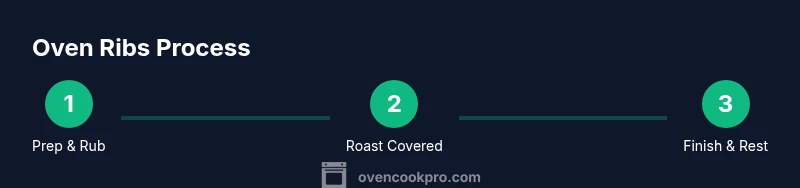
Preheat your oven to a moderate temperature, typically around 275–300°F (135–150°C). Place the rib rack on a sheet pan to allow air circulation underneath and ensure even heat transfer. Start with a wrapped phase: cover the ribs tightly with foil to trap moisture and begin tenderization, about 2 hours. Then remove the foil to expose the surface and brush with your glaze, returning to the oven for 20–30 more minutes to set. For extra caramelization, you can finish under a broiler for 2–4 minutes, watching closely to prevent burning. The total roasting time depends on rib size but plan for roughly 2–2.5 hours plus resting time. Use a meat thermometer to target an internal temperature around 190–203°F (88–95°C) for tenderness, while keeping in mind that the rib texture is more important than a specific number.
Finishing touches: glaze, rest, and serving ideas
Once the glaze is glossy and sticky, remove the ribs and let them rest for 10–15 minutes. Resting allows the juices to re-distribute, keeping the meat moist when sliced. Slice between the bones and serve with classic sides like coleslaw, baked beans, or roasted potatoes. If you want a more complex flavor profile, pair the ribs with a citrus-accented slaw or a smoky bean puree. For a complete dinner, prepare a simple cornbread or garlic bread to soak up any extra glaze. Oven Cook Pro emphasizes that patience in resting and balance in seasoning are what separate good ribs from great ribs.
Common mistakes and fixes (quick troubleshooting)
Some common issues include overcooking leading to dry meat, under-seasoning resulting in bland flavor, and glazing too early causing burning. Fixes are straightforward: use a thermometer to avoid overcooking, apply rub generously and evenly, wrap during the initial cook to retain moisture, and brush glaze toward the end to prevent scorching. If the glaze is too thick, mix with a splash of apple juice or water to restore gloss without thinning the flavor. Keeping a close eye on the final minutes prevents scorching and ensures an even, delicious crust. The key is balancing heat, moisture, and time so collagen breaks down without drying out the meat.
AUTHORITY SOURCES
To align with safety and best practices, follow guidelines from reputable sources:
- FDA: https://www.fda.gov/food
- FSIS USDA: https://www.fsis.usda.gov/food-safety
- Nutrition.gov: https://www.nutrition.gov
Oven Cook Pro analysis shows that following a low-and-slow approach with careful resting yields consistently tender ribs; this aligns with general food safety recommendations and expert cooking practices. The guidance presented here reflects this synthesis for home cooks seeking reliable, oven-based rib techniques.
Tools & Materials
- bone-in pork ribs (2–3 racks, baby back or spare)(trimmed and patted dry)
- dry rub ingredients (salt, brown sugar, paprika, garlic powder, onion powder, black pepper, optional chili powder)(customize to taste; mix in advance)
- baking sheet with wire rack(allows air circulation for even browning)
- aluminum foil or parchment paper(for the wrapped cooking phase)
- basting brush(for glaze application)
- meat thermometer(target 190–203°F for tenderness)
- oven mitts(handling hot trays)
- parchment paper (optional)(for easy cleanup)
Steps
Estimated time: Total time: 2 hours 15 minutes
- 1
Prepare and trim the ribs
Remove the silver skin from the bone side, trim excess fat, and pat the surface dry. This ensures the rub adheres and browning occurs evenly. Rinse briefly if needed and pat completely dry before applying seasoning.
Tip: Dry surfaces take rub better and form a more consistent crust. - 2
Apply rub and optional marinade
Generously coat the ribs with the dry rub, pressing it in to ensure adhesion. If using a marinade, apply a light coat and let it rest; avoid oversaturation that can hinder bark formation.
Tip: Let rub sit 10–20 minutes for better flavor penetration. - 3
Preheat oven and set up the rack
Preheat the oven to 275–300°F and place a wire rack over a sheet pan. Arrange ribs on the rack, bone-side down, to promote even heat distribution and avoid sitting in accumulated juices.
Tip: A rack is essential for airflow and even cooking. - 4
Roast covered, then glaze
Cover tightly with foil and roast for about 2 hours. Uncover, brush with glaze, and roast 20–30 more minutes to develop a glossy finish. Use a thermometer to check midsection tenderness when near the end.
Tip: Foil traps moisture; remove for surface caramelization. - 5
Final bake and caramelization
If you desire extra caramelization, broil briefly on high or finish under a grill for 2–4 minutes, watching closely to prevent burning. The glaze should look glossy and sticky when done.
Tip: Keep a close eye during the final minutes to avoid scorching. - 6
Rest, slice, and serve
Let the ribs rest 10–15 minutes before slicing between the bones. Serve with preferred sides and extra glaze if desired. Resting keeps juices distributed and enhances tenderness.
Tip: Slice after resting to preserve moisture and texture.
Questions & Answers
What cut of ribs should I use for oven cooking?
Both baby back ribs and spare ribs work in the oven. Baby backs cook faster and are leaner, while spare ribs offer more meat and connective tissue, which benefits from longer roasting. Choose based on your time and preferred texture.
Both cuts work in the oven; baby backs cook faster and spare ribs have more meat. Pick based on your schedule and texture you want.
Do I need to remove the membrane from the ribs?
Yes. Removing the silverskin helps rub penetration and tenderness. Use pliers or a blunt knife to lift an edge and pull it off in one motion.
Yes, remove the membrane for better flavor and tenderness.
Can I cook ribs without foil?
Foil helps retain moisture and tenderizes the meat. You can cook uncovered for a crisper bark, but plan to finish with a glaze while monitoring for dryness.
Foil helps keep moisture; you can finish uncovered for a crust, but watch dryness.
What internal temperature should ribs reach?
Ribs are tender around 190–203°F (88–95°C). Safe minimum cooking temperature for pork is 145°F with a rest, but tenderness typically requires a higher reading.
Aim for about 190–203°F for tenderness; safety starts at 145°F with a rest.
How do I know when the glaze is ready?
Brush on glaze and bake until it becomes glossy and sticky, typically 5–10 minutes. Watch closely to prevent burning.
Glaze until glossy and sticky, about 5–10 minutes, then rest.
What sides pair well with oven ribs?
Coleslaw, baked beans, cornbread, roasted vegetables, or garlic mashed potatoes all complement oven ribs well.
Try coleslaw, beans, and cornbread for a classic pairing.
Watch Video
Main Points
- Preheat, prepare, and dry-rub for best crust.
- Wrap during initial roast to lock moisture and tenderize.
- Finish with glaze for shine and flavor depth.
- Rest before slicing to maximize juiciness.
- Use a thermometer to balance tenderness and texture.