Oven Baked Ribs: A Complete Step-by-Step Guide
Learn how to make tender, flavorful oven baked ribs with a reliable low-and-slow method, rubs, glaze, and resting tips from Oven Cook Pro.


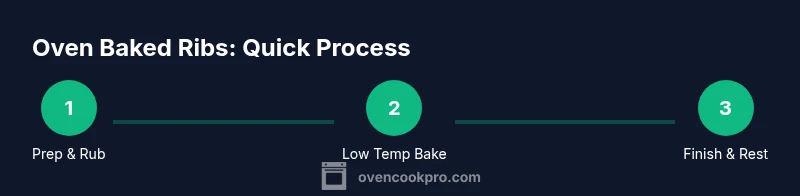
You will learn to bake ribs in the oven to tender, smoky-style results. You'll prep, season, bake low and slow, then finish with a glaze. You'll need rib racks or a sheet pan, foil, a thermometer, and your favorite rub or BBQ sauce. This guide from Oven Cook Pro walks you through each step.
Why Oven-Baked Ribs Matter
Oven baked ribs offer consistent results, especially when weather or outdoor grilling conditions aren’t ideal. The kitchen setup gives you control over temperature, moisture, and timing, which translates into tenderness you can rely on. For home cooks, it’s a practical way to achieve fall-off-the-bone texture without the unpredictability of open-flame grilling. The Oven Cook Pro team has found that a focused low-and-slow approach reduces muscle fiber toughness and preserves juices, resulting in ribs that stay juicy from bone to bite. This method also makes it easier to manage sauce and rub development, letting you build depth without guesswork. If you’re new to ribs, start with a simple dry rub and a glaze to build confidence before experimenting with complex marinades. The goal is even flavor, a moist bite, and a pleasantly crisp bark on the outside.
Throughout this guide, remember that precision matters as much as patience. Small tweaks in seasoning ratios, resting time, or oven temperature can yield noticeably different results. As you gain experience, you’ll recognize your oven’s quirks and adapt accordingly. With practice, you’ll consistently produce oven baked ribs that rival traditional smoky renditions, while keeping kitchen time predictable and clean. This approach aligns with Oven Cook Pro’s emphasis on reliable, step-by-step guidance for home cooks who want reliable, restaurant-quality outcomes.
Selecting Ribs and Prep
Choosing the right cut is the first step to success with oven baked ribs. Bone-in spare ribs and baby back ribs behave differently in terms of meat-to-bone ratio and overall tenderness. Spare ribs tend to be meatier and take longer to become tender, while baby backs cook a bit faster and deliver a leaner bite. Regardless of the cut you select, a fresh, well-marbled rack will respond best to a gentle cooking process. Before you start, inspect each rack for cartilage or stray bones and trim as needed. Removing excess fat along the edges helps expose the meat to the rub and ensures more even browning. Pat the ribs dry with paper towels; moisture on the surface can hinder bark formation and rub adhesion. If you have time, dry brining the ribs for 1–2 hours in the fridge will boost juiciness and flavor.
The next layer of flavor comes from your rub. A balanced rub typically contains salt, sugar, paprika, garlic powder, onion powder, and a touch of chili pepper for heat. If you’re using a sauce-based finish, you can scale back the sugar a touch to prevent the glaze from burning. For a quick, well-rounded profile, start with a simple 2:1 ratio of brown sugar to salt and add aromatic spices to taste. The goal is to create a flavorful outer crust that complements the meat’s natural sweetness without overpowering it. By choosing the right ribs and preparing them properly, you set up the rest of the process for success.
Prepping the Meat: Cleaning and Trimming
Seasoning Strategies: Rubs, Marinades, and Timing
The Low-and-Slow Oven Method
Resting, Wrapping, and Finishing Glaze
Troubleshooting Common Issues
Serving Ideas and Leftovers
Tools & Materials
- Rib racks or sheet pan with a rack(Elevates ribs for even air circulation; use foil or parchment under the rack for easy cleanup)
- Aluminum foil(Used for wrapping during the braise phase to trap moisture)
- Oven thermometer(Keeps you honest about actual oven temperature)
- Digital meat thermometer(Targets internal temp around 190–203°F (88–95°C) for tenderness)
- Mixing bowls(For rub blends and glaze preparation)
- Rub or spice blend(Homemade or store-bought; aim for balanced salt and sweetness)
- BBQ sauce for glaze(Choose a sauce you love; have at least 1 cup handy for glaze or dipping)
- Paper towels(For patting dry and cleanup)
- Basting brush(Helpful for brushing glaze during the final stage)
Steps
Estimated time: 2.5-4 hours
- 1
Trim and pat dry
Remove any loose membrane and trim excess fat from the edges. Pat the rack dry with paper towels to ensure rub adhesion and surface browning.
Tip: Dry surfaces promote better rub adhesion and crust formation. - 2
Remove the membrane
Slide a dull knife under the silvery membrane on the bone side and lift with a paper towel to grip. Pull away and discard; this step improves tenderness and rub penetration.
Tip: Removing the membrane helps seasonings penetrate and reduces chewiness. - 3
Mix rub
Combine salt, sugar, paprika, garlic powder, onion powder, and chili as desired. A balanced blend should taste good dry before any sauce is added.
Tip: Balance sweetness and salt to avoid oversweetening the glaze later. - 4
Apply rub evenly
Pat rub over both sides of the rack, pressing gently to ensure it sticks. Let it sit 15–30 minutes if possible for better adherence.
Tip: Even coating prevents hot spots and uneven bark. - 5
Set up baking
Preheat the oven to 225–250°F (107–121°C). Place ribs on a rack over a sheet pan to allow air circulation and even cooking.
Tip: A calm, low heat is the heart of the method; avoid fast, hot cooking here. - 6
Bake uncovered
Bake for 2.5–3.5 hours, depending on rib size and cut. Check for tender meat that yields slightly to a gentle press.
Tip: Use a thermometer for precision; texture matters more than exact time. - 7
Wrap and braise
Wrap ribs tightly in foil to braise and retain moisture. Return to the oven for 60–90 minutes for tenderness.
Tip: Tight wrapping prevents steam from escaping; the braise is where juiciness builds. - 8
Finish with glaze
Unwrap, brush with your favorite BBQ sauce, and return to the oven for 10–15 minutes to set the glaze and develop a glossy bark.
Tip: Watch closely; sugars can burn quickly at close range. - 9
Rest and slice
Remove ribs and loosely tent with foil. Rest 10–15 minutes to reabsorb juices before slicing between the bones and serving.
Tip: Resting prevents juice loss when sliced and improves mouthfeel.
Questions & Answers
Can I use boneless ribs?
Boneless ribs can be used, but bone-in ribs typically deliver more flavor and moisture due to connective tissue rich in bone marrow. If you choose boneless, reduce cooking time slightly and watch for drying.
Boneless ribs work, but bone-in usually stay juicier and more flavorful.
What temperature should I bake ribs at?
A common range is 225–250°F (107–121°C). Lower temperatures give tender texture; higher temperatures can brown faster but risk drying if not monitored.
Bake at 225 to 250 degrees for best tenderness.
How long do I bake ribs in the oven?
Total cooking time usually falls between 2.5 and 4 hours, depending on rib cut and thickness. The ribs are done when the meat pulls back from the bone and yields slightly to pressure.
Plan about 2.5 to 4 hours.
Should I wrap ribs during cooking?
Wrapping during a portion of cooking helps braise the meat and retain moisture, producing fall-off-the-bone texture. Unwrap near the end for glaze and bark.
Yes, wrapping helps tenderness; unwrap for glaze.
How should I store leftovers?
Store cooled ribs in an airtight container in the fridge for up to 3–4 days. Reheat gently in the oven or on a grill to restore moisture and crust.
Keep in the fridge and reheat slowly.
Can I freeze smoked or baked ribs?
Yes, you can freeze cooked ribs for 1–2 months. Wrap tightly to prevent freezer burn, then reheat slowly to maintain texture.
Ribs freeze well; reheat gently.
Is preheating essential for even cooking?
Preheating ensures the initial sear and bark begin promptly, helping promote even cooking. Skipping it can lead to uneven texture and longer overall cooking time.
Preheat is important for even cooking.
Watch Video
Main Points
- Select bone-in ribs for best flavor and moisture.
- Cook low and slow for maximum tenderness and bark.
- Finish with glaze and rest briefly before slicing.
- Monitor internal temp to avoid overcooking.