Mastering Oven Baked Dishes: A Practical Guide
Master reliable oven baked results with precise temps, even heat, and practical steps for home cooks—from preheating to resting and storage. Learn how to achieve consistent, delicious dishes with confidence.


By the end, you’ll master reliable methods for perfect oven baked dishes, from preheating to timing and finishing temps. This guide covers choosing temperatures, even-heat techniques, and practical checks to prevent soggy centers or burnt edges. It’s designed for home cooks who want consistent, delicious results with straightforward steps and minimal equipment.
Understanding Oven Baked: Temperatures and Heat Transfer
Oven baked is a cooking method that relies on radiant and convection heat to cook food evenly from all sides. When you bake in a conventional oven, you’re working with steady, surrounding heat, which allows surfaces to brown while interiors cook through. A convection oven adds a fan, which moves hot air for faster, more uniform browning. The key to great oven baked results is balancing surface texture with interior doneness, so you get a crisp exterior without drying out the interior. This section lays the groundwork for predictable outcomes in everyday home cooking, using the term oven baked to describe both simple sheet-pan meals and more complex casseroles.
Throughout this guide, we’ll emphasize how to manage heat, airflow, and moisture to avoid common pitfalls like soggy bottoms or uneven browning. Use this approach for vegetables, proteins, and starch-based dishes alike, and you’ll see that oven baked results can be both reliable and incredibly flavorful. As you read, think in terms of consistent temps, even heat distribution, and a few practical checks you can perform without specialized equipment. The Oven Cook Pro team recommends focusing on repeatable steps that fit your kitchen setup and diet goals, delivering confident, delicious meals every time.
Preheating and Rack Position: Foundation of Even Cooking
Preheating is the invisible step that makes or breaks oven baked results. When you preheat, you ensure the oven interior reaches and holds the target temperature before food enters. This reduces the risk of undercooked centers and uneven browning. To maximize even heat, position the rack in the center of the oven for most dishes, and only switch racks if a recipe specifies a different heat exposure (for example, bottom heating for crispier crusts or top heat for browning). Use an oven thermometer placed inside to verify the ambient temperature, since oven dials can be off by up to 25 degrees or more in some models. A consistent starting point makes the rest of the bake predictable.
The concept of oven baked cooking hinges on steady heat, sensible airflow, and a dry surface that encourages browning. If you notice hotspots in your oven, rotate pans halfway through cooking and consider a baking stone or steel to stabilize heat distribution. These adjustments are small, but they dramatically improve uniformity across the dish. The Oven Cook Pro guidance emphasizes that preheating and rack placement are foundational habits for home cooks seeking dependable oven baked results.
Choosing the Right Temperature for Common Dishes
The temperature you choose for oven baked dishes depends on the type of food and the desired texture. For vegetables, 400–425°F (200–218°C) promotes crisp edges and caramelization without sogginess. Lean proteins like chicken breasts often bake well at 375–425°F (190–218°C), balancing speed with interior doneness. Hearty casseroles or lasagna typically do best at 350–375°F (175–190°C) to allow layers to heat through evenly without drying out the top. If you’re working with delicate proteins or seafood, start at a lower end (325–375°F / 165–190°C) and monitor carefully. Adapting temps slightly up or down can yield dramatically different textures, so understanding the heat window for each dish is essential.
Always consider a test bake with a small portion if you’re experimenting with a new recipe. Adjust future batches based on visual cues and internal temperature checks, rather than time alone. Consistent temps and even heat distribution are your allies in achieving reliably oven baked results across a variety of ingredients.
Tools and Substrates for Even Browning
Choosing the right tools dramatically affects the outcome of oven baked dishes. A sturdy light-colored aluminum or perforated baking sheet minimizes heat absorption and promotes even browning, while darker sheets can lead to faster browning on the outside. Parchment paper or silicone mats help prevent sticking and simplify cleanup. For crisp-on-the-outside, tender-on-the-inside results, place a rack inside your sheet pan to elevate the food slightly and improve hot air circulation. If you’re baking crusts or casseroles, a shallow, wide pan often yields more surface area and faster browning than a deep dish. Finally, verify oven temperature with an oven thermometer and keep tongs, a spatula, and heat-resistant gloves handy for safe handling.
This combination of pans, liners, and proper placement supports the even browning and consistent texture that define good oven baked dishes. The goal is predictable results with tools you already own, plus a few smart additions that adapt to different recipes.
Step-By-Step Template for Oven Baked Dishes
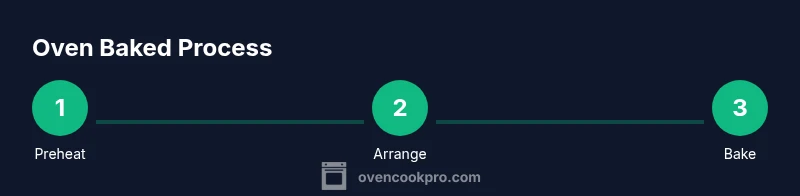
A repeatable template makes oven baked cooking approachable for busy home cooks. Start with a clean, prepared pan, parchment or a silicone mat, and your ingredients arranged in a single layer. Preheat to the recipe’s target temperature, then slide the dish into the oven. Use a timer and check doneness by color, texture, and internal temperature. Rest briefly if the recipe calls for it, then slice or serve. Clean up by removing any liners or burnt bits while the oven cools.
By following this template, you can adapt to different foods—from roasted vegetables to baked chicken—without reinventing the wheel each time. The core principles are hot, dry air and even exposure of all surfaces to heat. Keep these in mind as you build confidence with oven baked techniques in your kitchen.
Common Pitfalls and How to Avoid Them
Crowding the pan is a frequent culprit for soggy, unevenly cooked food. When items are too close, they steam instead of roast, preventing browning. Use a single layer with space between pieces for best results. If you’re baking multiple sheets, rotate them halfway through so every item benefits from the oven’s hottest spots. Opening the oven too often causes temperature fluctuation, which can lead to uneven doneness. Checking too early may tempt you to pull out undercooked items; time checks should be based on appearance, aroma, and a quick internal temperature reading when possible. Finally, using the wrong pan material or liner can alter heat transfer and moisture loss.
By actively avoiding overcrowding, monitoring temperature, and selecting the right tools, you’ll minimize common missteps and improve the reliability of your oven baked dishes.
Finishing Touches: Resting, Slicing, and Storage
Resting after cooking helps juices redistribute and flavors to settle, especially for proteins. A short rest (5–10 minutes) can improve tenderness and make slicing cleaner. When you slice, aim against the grain for easier chewing and even portions. For leftovers, cool foods promptly and store in airtight containers in the refrigerator within two hours of cooking. Label with dates to track freshness, and reheat evenly to maintain texture. For casseroles, stews, or baked grains, reheating should be gentle to preserve moisture; add a splash of broth or milk if needed. Proper resting and thoughtful storage preserve the oven baked quality you’ve worked to achieve, reducing waste and keeping flavors vibrant.
Safety and Maintenance Tips for Oven Baked Cooking
Safe handling starts with hot surfaces and steam. Always use heat-resistant gloves when loading or removing pans, and avoid touching glass doors during peak heat. Keep the oven’s door closed during most of the bake to maintain a stable temperature. Regular maintenance includes cleaning spills promptly to prevent burning and using a robust thermometer to guarantee accurate temps. If your oven has a self-cleaning feature, follow the manufacturer’s directions and ensure the area is well-ventilated. Guarding against burns, using correct protective gear, and maintaining a clean oven all contribute to safe, reliable oven baked cooking over time.
Authoritative Sources
- https://www.fsis.usda.gov
- https://www.cdc.gov
- https://extension.psu.edu
Tools & Materials
- Baking sheet (rimmed)(Heavy-duty preferred for even heat distribution)
- Oven-safe rack(Elevates food for better air flow)
- Parchment paper or silicone baking mat(Prevents sticking and simplifies cleanup)
- Oven thermometer(Verify oven accuracy; dial temps can be off)
- Instant-read thermometer(Check internal temp for doneness)
- Heat-resistant gloves(Protect hands when handling hot pans)
- Spatula or tongs(Safe handling and turning of food)
- Oil spray or brush(Lightly oil to prevent sticking and promote browning)
- Silicone brush or kitchen towel(For even coating of seasonings or oil)
Steps
Estimated time: 45-60 minutes
- 1
Preheat oven and prep pan
Preheat the oven to the target temperature specified in the recipe. Line or prepare your pan with parchment or a silicone mat. This ensures consistent heat exposure from the moment the food enters the oven.
Tip: Confirm the oven reaches temperature with an oven thermometer before placing food inside. - 2
Prepare ingredients
Pat dry proteins and vegetables to remove surface moisture. Cut into uniform sizes so pieces cook evenly, then season or marinate as your recipe directs.
Tip: Even pieces promote even cooking; marinaiones can help with flavor but avoid dripping excess liquid onto the pan. - 3
Arrange in a single layer
Spread items in one layer with space between pieces to allow hot air to circulate. Overlapping or stacking leads to steaming instead of browning.
Tip: Use two pans if needed and rotate halfway through for uniform browning. - 4
Bake and monitor
Place the pan in the center of the oven and bake until the edges are golden and the interior reaches safe temperature. Rely on color, texture, and an internal thermometer when appropriate.
Tip: Avoid opening the oven door too often; each peek drops internal temperature. - 5
Check doneness
Use an instant-read thermometer to verify internal temperatures meet safety guidelines for proteins. For vegetables, aim for tender-crisp texture.
Tip: If needed, finish with a brief extra interval to reach target doneness. - 6
Rest briefly
Let meat or baked dishes rest for 3–10 minutes before serving. Resting improves juiciness and makes slicing easier.
Tip: Cover loosely with foil to retain warmth without steaming the surface. - 7
Serve or store
Serve immediately for best texture, or cool and store leftovers in airtight containers in the refrigerator within two hours.
Tip: Label containers with contents and date to track freshness. - 8
Cleanup and maintenance
Remove liners, wipe spills, and allow the oven to cool before cleaning. Regularly inspect racks and ensure heating elements are clear of debris.
Tip: A quick wipe after use prevents baked-on residues from building up over time.
Questions & Answers
What is the difference between oven baked and roasted?
Oven baked typically uses dry, surrounding heat in an enclosed oven to cook and brown food evenly, often with a focus on moisture retention. Roasting is similar but usually refers to cooking meats or vegetables at higher temps to maximize browning on the surface. The two techniques overlap, and many recipes use the terms interchangeably depending on tradition and the food being prepared.
Oven baked and roasted are very similar; baking emphasizes even cooking in the oven while roasting highlights browning on the surface, often at higher heat.
Should I always preheat the oven for baked dishes?
Preheating helps ensure the food begins cooking at the intended temperature immediately, which improves texture and doneness. If a recipe specifies preheating, follow it; otherwise, preheating to the target temperature generally yields better results for oven baked dishes.
Yes, preheating usually leads to more consistent results by starting the cook at the correct temperature.
What if my oven runs hot or cold?
Use an independent oven thermometer to verify actual temperature and adjust cooking times accordingly. Rotate pans and consider convection or fan settings if your oven supports them to stabilize heat distribution.
If your oven runs hot or cold, check with a thermometer and adapt times or rack positions to keep results consistent.
Can I bake from frozen food?
Baking from frozen is possible for many items, but it usually requires longer cooking times and sometimes lower temperatures to prevent the exterior from burning before the interior is cooked. For best results, thaw when feasible and adjust times accordingly.
You can bake from frozen, but expect longer times and adjust temps to avoid over-browning.
How do I prevent soggy bottoms in oven baked dishes?
Cook on a dry surface, avoid overcrowding, and use a hot pan setup (rimmed sheet with airflow). Lining with parchment can help moisture escape, while a rack allows air to circulate under the food.
To prevent soggy bottoms, give foods space, use a hot, dry base, and let air circulate.
What’s the best way to reheat oven baked leftovers?
Reheat in a hot oven or toaster oven to restore crispness; avoid microwaving when you want a crisp exterior. Use a thin layer of oil or water to prevent drying out if needed.
Reheat in an oven to keep the texture crisp, not in a microwave.
Watch Video
Main Points
- Preheat to ensure consistent heat
- Keep a single layer for even browning
- Monitor internal temps for safety
- Rest and store properly for best texture and flavor
- Use quality tools to improve reliability