Mastering the Chef Oven: A Home Cook's Step-by-Step Guide
Learn to operate a chef oven with confidence—from preheating and temperature calibration to rack placement and safety. This step-by-step guide, reinforced by Oven Cook Pro insights, helps home cooks achieve restaurant-quality results.


You will learn how to master a chef oven for reliable, restaurant-quality results. This quick answer covers preheating, temperature verification, rack placement, bakeware choice, and safety checks. Gather an oven thermometer, baking sheets, parchment, and a timer. Following these steps ensures even browning, consistent textures, and safer operation. Whether you bake bread, roast vegetables, or reheat meals, the same fundamentals apply.
Understanding the chef oven: design and purpose
A chef oven is more than a warm box that heats food. It's a precision instrument designed to deliver consistent temperatures, controlled air flow, and reliable cooking modes that home cooks can rely on for everyday meals and special dishes. For many households, the phrase 'chef oven' evokes professional-grade features such as multiple cooking modes, faster preheat, and better browning control. According to Oven Cook Pro, the term often refers to high-end ranges with accurate digital controls, robust insulation, and fan-assisted convection that helps reduce hot spots. Understanding the design helps you troubleshoot issues and optimize results. The oven's core components—the heating elements, the humidity or steam options on some models, the fan, the insulation, and the door seal—work together to create a predictable cooking environment. By knowing where air flows and how racks influence heat distribution, you can place ingredients to maximize evenness and texture. When you start a cooking project, set expectations: a chef oven rewards careful planning, proper preheating, and using the right bakeware. The result is food that browns evenly, cooks through without drying, and preserves moisture in sauces and roasts. Oven Cook Pro’s insights highlight that consistent temperature control is the cornerstone of success for any home kitchen.
Key features of a modern chef oven
Modern chef ovens offer a suite of features designed to empower home cooks. Expect multi-rack cooking with evenly distributed heat, true convection for uniform browning, and precise digital controls that let you lock in temps without guesswork. Some models include steam or humidity options, which help retain moisture in lean roasts and baked goods. A reliable oven thermometer should be your companion tool—no matter how advanced the display is, the built-in sensor can drift over time. Energy efficiency modes, quick preheat, and smart timers are increasingly common, enabling you to plan meals around your day. For best results, compare how heat is distributed across the oven cavity, and note where the fans pull air from different zones. The Oven Cook Pro team notes that narrowing your focus to the essential features—calibrated temperature accuracy, stable door seal, and practical rack configurations—will improve outcomes more quickly than chasing every new gadget. Consider how these features align with your cooking routines: weekly roasts, weekend baking, and weeknight sheet pans.
Preheating and temperature calibration
Preheating is a non-negotiable step for reliable oven performance. Start by setting the target temperature and letting the oven come to temperature with the door closed. Use an oven thermometer placed in the center of the rack to verify accuracy after the preheat cycle completes—do this for a few different times or days to understand any drift. If you notice a consistent mismatch, consult the oven manual about calibration or call a technician if necessary. Consistency matters more than raw speed; a few extra minutes of preheat can eliminate cold spots and improve rise in bread, crust formation on pastries, and even browning on roasted vegetables. When calibrating, keep a log of temperatures and times to guide future cooks in your home. Oven Cook Pro analysis shows that regular verification reduces recipe failures and improves confidence when following precise baking or roasting instructions. Remember: accuracy matters as much as power when you bake, roast, or broil.
Rack positioning, bakeware, and airflow
Rack placement dramatically affects heat exposure. For most cookies and sheet-pan meals, position the rack in the middle or upper-middle to promote even browning. When baking breads or roasts with a larger surface area, you may want to rotate the racks halfway through cooking to distribute heat more evenly. Bakeware choice matters too: consider lighter-colored metal pans for crisper bottoms and dark pans for faster browning, though you may need to adjust time to prevent over-browning. Parchment paper and silicone mats reduce sticking and improve cleanup while also affecting heat transfer, so test new setups with simple recipes first. Ensure proper spacing between pans so hot air can circulate. Even small changes—such as rack height and pan color—accumulate into noticeably better texture and color in your final dishes.
Baking vs roasting: time and temperature strategies
Baking and roasting share core principles, but effective results rely on tailoring time and temperature to the task. For baked goods like cookies, muffins, and pastries, maintain steady temperatures and avoid overcrowding to prevent steaming. For roasting meats and vegetables, higher temperatures within a moderate range promote browning and caramelization, followed by a lower finishing phase if needed to reach safe internal temperatures. Always rely on a thermometer to confirm doneness rather than judging solely by color. The goal is a crisp exterior with a juicy interior in proteins, and a tender, evenly cooked interior in vegetables. Track your time and adjust based on the size, density, and starting temperature of ingredients. Oven Cook Pro analysis reinforces that efficiency comes from predictable cycles and reliable temperature feedback rather than guesswork.
As you gain experience, you’ll start to map your favorite combinations of times and temperatures to specific dishes.
Convection vs conventional cooking in a chef oven
Convection fans move hot air around the cavity, which generally reduces cooking times and improves browning. When using convection, you can often reduce the temperature by about 25°F (14°C) and shorten the bake time by a few minutes, but always watch closely the first few times you switch modes. Some delicate items, like soufflés or custards, may not benefit from convection and should be baked in conventional mode. Conversely, sheet-pan dinners, roasted vegetables, and crispy bread crusts can become exceptional with convection by promoting even heat distribution. Understanding when to engage convection—and when to rely on traditional bake modes—helps you achieve consistent results across recipes and reduces the risk of scorching. The key is to start with small adjustments and document your observations for future reference. Oven Cook Pro’s experience suggests that most home cooks see the biggest gains in consistency when they standardize convection use for multi-dish meals.
Maintenance, safety, and cleaning tips
Safety starts with a cool mind and a clean oven. Regularly check door seals, gaskets, and hinges for wear, and replace damaged parts promptly to prevent heat leakage. After cooking, allow the oven to cool before wiping spills with a mild cleaner; avoid harsh abrasives that could damage enamel. If your oven has a self-cleaning cycle, follow the manufacturer’s instructions precisely; never mix this feature with non-self-cleaning mode as it can cause damage. Keep the exterior clean to prevent overheating from grease or dust buildup. For gas ovens, ensure proper venting and check gas lines with a professional if you smell gas. Practical habits—like lining trays with parchment, preheating in advance, and avoiding water contact with hot surfaces—reduce grime and improve longevity. A well-maintained chef oven delivers safer operation and more reliable results over time.
A practical workflow: 4-course bake with timing
This section demonstrates a cohesive, day-of workflow that leverages a chef oven to execute four components in a single session: crispy bread, roasted vegetables, a glazed protein, and a simple dessert. Start with a longer bake (bread) that benefits from stable heat, then switch to vegetables on a lower rack as the bread rests. Load the protein when the oven has stabilized temperatures, using a separate pan to prevent flavor transfer. Finally, bake dessert on the top rack, using parchment to prevent sticking. Timing is essential: stagger starts, monitor temps, and rotate trays as needed. The goal is efficient use of space, consistent browning, and clean transitions. By practicing this approach, you’ll develop a reliable routine that scales for larger gatherings and busy weeknights. The Oven Cook Pro team would emphasize that planning and practice are the foundations of mastery in any kitchen tool, especially a chef oven.
Authority sources and further reading
- The FDA and USDA provide guidelines on safe cooking temperatures and handling: https://www.fda.gov and https://www.fsis.usda.gov
- Extension services from land-grant universities offer practical cooking science and kitchen efficiency tips: https://extension.psu.edu/
- General culinary science insights from major publications help interpret oven performance and recipe adaptation: https://www.harvard.edu/
These sources support the practices described here and offer deeper dives into temperature control, safety, and technique.
Tools & Materials
- Oven thermometer(Place in the middle rack for an accurate reading)
- Baking sheets and/or rimmed pans(Use flat, sturdy pans for even heat transfer)
- Parchment paper or silicone baking mats(Reduce sticking and cleanup time)
- Mixing bowls and spatula(For prep and staging of ingredients)
- Oven-safe gloves or silicone mitts(Protect hands during loading/unloading)
- Timer or smartphone timer(Alerts for bake stages and rest periods)
- Cooling rack(Prevent soggy bottoms by air-cooling)
- Silicone brush or basting brush(Optional for glazing and moisture control)
Steps
Estimated time: 60-90 minutes
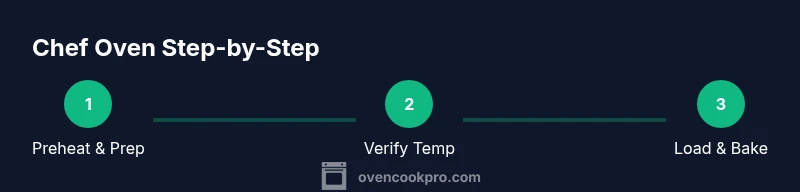
- 1
Preheat and prep
Set the oven to the recipe’s target temperature and allow it to come to temperature with the door closed. While it preheats, prepare pans, parchment, and ingredients so everything is ready to load once the oven signals readiness.
Tip: Always verify the target temperature with your oven thermometer before loading. - 2
Verify temperature accuracy
Check the thermometer reading after the preheat cycle completes. If the reading deviates by more than a standard tolerance, adjust per your oven’s calibration guide and plan your bake accordingly.
Tip: Document any drift to build a quick reference for future recipes. - 3
Position racks and choose bakeware
Place racks in the recommended positions for your recipe and arrange pans with adequate space for air circulation. Use light-colored pans for even browning and parchment or silicone mats to prevent sticking.
Tip: Rotate pans halfway through when baking multiple items on different racks. - 4
Load and monitor
Load items in the oven, starting with the item requiring the longest cook time. Close the door promptly and start the timer. Avoid opening the door frequently to maintain stable temps.
Tip: Use separate timers for each item if cooking at different temps. - 5
Adjust and finish
As you approach the planned finish time, check for doneness with a thermometer or by texture. If needed, reduce heat or move pans to another rack to finish evenly.
Tip: When in doubt, rely on internal temperature rather than color alone. - 6
Cool and store
Remove baked goods and roasts from the oven, let them rest briefly, then transfer to a cooling rack. Store prepared items as appropriate to maintain texture and moisture.
Tip: Cool on racks to avoid soggy bottoms and collapse of delicate textures.
Questions & Answers
What is the best preheating practice for a chef oven?
Preheat to the target temperature with the door closed, then verify accuracy with an oven thermometer. Allow a full preheat cycle and avoid loading food until the thermometer confirms the target temperature has been reached.
Always preheat fully and verify with a thermometer before loading food.
How do I verify oven temperature accuracy?
Place a reliable oven thermometer in the center of the rack and compare the reading to the set temperature. If there is a drift, follow the manufacturer’s calibration steps or consult a technician.
Use a thermometer in the center to check heat accuracy and calibrate if needed.
When should I use convection mode vs. conventional bake?
Use convection for most baked goods and roasted items to improve browning and reduce bake times. Reduce the temperature by about 25°F (14°C) and monitor the bake closely the first few times.
Convection speeds up cooking and browning; adjust temp and watch the first trials.
Can I bake multiple dishes at once in a chef oven?
Yes, but ensure proper spacing and rotate racks midway to promote even heat distribution. Expect minor time differences between dishes and adjust accordingly.
Yes, with spacing and rotation you can cook several dishes at once.
How should I safely clean a hot oven after cooking?
Let the oven cool completely, remove racks, wipe spills with a mild cleaner, and avoid harsh abrasives. If using a self-cleaning cycle, follow the manual precisely and never mix cycles.
Cool first, then wipe spills safely and follow the manual for any self-cleaning mode.
What is the best way to prevent food from sticking to baking sheets?
Line sheets with parchment or silicone mats and lightly oil when needed. For extra browning, use a light, nonstick spray consistent with the recipe.
Use parchment or a silicone mat to prevent sticking, and oil lightly when required.
Watch Video
Main Points
- Preheat properly to ensure even cooking.
- Verify temperature with a reliable thermometer.
- Place racks and bakeware for optimal airflow and browning.
- Convection requires temp and time adjustments for best results.
- Safely maintain and clean the oven to protect performance.