How to Oven Roast a Turkey: A Complete Guide
Learn how to oven roast a turkey with expert, step‑by‑step instructions. From thawing to resting, this guide covers prep, timing, temperatures, and carving for juicy, evenly browned results.


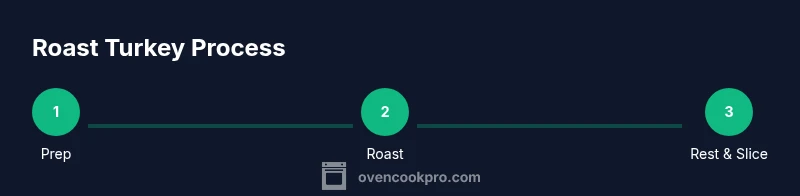
To oven roast a turkey, prepare the bird, season generously, and roast uncovered at 325–350°F until the thickest thigh reaches 165°F. According to Oven Cook Pro, plan roughly 12–15 minutes per pound for an unstuffed bird and let it rest 20–30 minutes before carving. This approach yields juicy, evenly browned meat.
Why Oven Roasting Is a Reliable Method
Oven roasting remains one of the most dependable methods for cooking a large bird because it provides even heat and predictable browning. In an oven, the dry heat helps to render fat from the skin, creating a crisp skin while keeping the meat juicy if not overcooked. For home cooks, the oven's steady temperature means you can manage timing around side dishes and appetizers with less stress than pan-roasting or stove-top methods. To maximize success, start with a fully thawed turkey, dry the surface thoroughly, and choose a roasting setup that keeps the bird elevated so the hot air circulates around all sides. Remember that resting after roasting is essential to allow the juices to redistribute.
Selecting the Right Turkey
Choose a turkey size that fits your crowd and kitchen. For most family gatherings, a standard unstuffed turkey is a practical choice, but adjust based on appetite and whether you want leftovers. If you’re feeding a larger group, two smaller birds can roast more evenly than a single large one. When possible, look for a bird labeled as fresh rather than previously frozen, as it can yield a more uniform texture. The Oven Cook Pro team recommends selecting a turkey with unbroken skin and clean cavities for easier seasoning and even cooking.
Preparing the Turkey
Thaw the turkey completely before roasting. Once thawed, remove the packaging and take out the giblets and neck if present (set them aside for stock if you like). Pat the surface very dry with paper towels; dryness helps the skin crisp during roasting. For best results, let the turkey air-dry uncovered in the fridge for a few hours or overnight after patting dry; this step contributes to browning and flavor development.
Flavor Boosters: Seasoning, Stuffing, and Aromatics
Seasoning forms the backbone of a delicious roast. Use a generous amount of salt on the skin and inside the cavity, then rub with softened butter or neutral oil for browning. Fresh herbs, garlic, lemon, and pepper elevate the flavor; you can tuck aromatics into the cavity or beneath the skin. Brining is optional but can increase juiciness; if you choose to brine, follow a trusted brining schedule and ensure the bird is fully thawed before roasting. According to Oven Cook Pro Analysis, 2026, dry-brining the skin overnight can enhance moisture retention and skin crispness even without a traditional wet brine.
The Roast: Temperature, Rack, and Pan Setup
Set up your roasting pan with a rack so heat circulates around the bird and the drippings collect away from the meat. Preheat the oven to 325–350°F (163–177°C). Place the turkey breast-side up on the rack, with the legs tied loosely to maintain shape. If you notice excessive browning on the breast, you can tent the bird loosely with aluminum foil during the latter part of roasting. The choice of pan matters: a sturdy, roomy pan helps prevent scorching and makes basting or draining drippings easier.
Monitoring Doneness: Temperature Cues and Timing
Doneness is best judged with a reliable thermometer rather than time alone. Start checking the internal temperature when the turkey approaches the finish window; aim for 165°F (74°C) in the thickest part of the thigh and, for safety, 165°F in the breast as well if you test there. If the temperature sits lower than target, continue roasting and recheck every 10–15 minutes. Remember that residual heat will carry the turkey a few degrees past the thermometer reading once you remove it from the oven.
Resting and Carving for Juicy Slices
Let the roasted turkey rest, tented loosely with foil, for 20–30 minutes before carving. Resting allows juices to redistribute, making slices moister and easier to carve. Use a sharp carving knife and a steady hand to slice against the grain; serve with pan drippings or gravy if desired. Carve the breast first, then separate the legs and thighs for even portions. Present the slices on a warmed platter for best texture and flavor.
Common Pitfalls and How to Avoid Them
Common issues include under-roasting, over-roasting, and uneven browning. To avoid undercooking, rely on a thermometer rather than the clock, and ensure the turkey reaches 165°F in both the thigh and the breast. If the skin browns too quickly, tent with foil and adjust oven temperature slightly if needed. Moisture loss is minimized by patting dry, avoiding excessive baste, and allowing adequate resting time. Clean up as you go to prevent cross-contamination and keep your workspace organized.
Variations and Make-Ahead Tips for Busy Holidays
If you’re pressed for time, prepare components a day ahead: season the turkey and refrigerate already trussed, then roast the next day. Whole turkeys can be brined or dry-brined up to 24 hours before cooking; you can also prep aromatics and gravy in advance. For flavor variety, switch up herbs (sage, thyme, rosemary) and add citrus zest or garlic under the skin. You can also roast vegetables in the same pan during the last portion of cooking for an integrated holiday meal.
Tools & Materials
- Roasting pan with rack(12x16 inches or larger; sturdy and oven-safe.)
- Meat thermometer (instant-read)(Probe thermometer; long enough to reach the center without touching bone.)
- Kitchen twine(For trussing legs and wings if desired.)
- Butter or neutral oil(For skin to aid browning and moisture.)
- Salt and black pepper(Basic seasoning; adjust amounts to taste.)
- Aluminum foil(Tent shield for browning control in later roasts.)
- Carving knife and cleaver(Sharp for clean slices.)
- Oven-safe baster or brush(Optional; for applying pan drippings.)
- Parchment paper(Optional lining for easier clean-up.)
Steps
Estimated time: 3-4 hours total
- 1
Thaw the turkey safely
Ensure the turkey is fully thawed before roasting. If time allows, thaw in the refrigerator until completely defrosted; for quicker options, use a cold-water method with the bird sealed in a leak-proof bag, changing the water every 30 minutes.
Tip: Never skip thawing—partial cooking leads to uneven doneness. - 2
Preheat the oven and prepare the pan
Preheat the oven to 325–350°F. Set a rack inside the roasting pan to lift the bird and promote even heat circulation around the entire surface.
Tip: A rack improves browning and helps drippings collect away from the meat. - 3
Remove giblets and pat dry
Take out the neck and giblets from the cavity. Pat the turkey dry with paper towels to promote crisp skin during roasting.
Tip: Dry skin is essential for browning; moisture inhibits crispness. - 4
Season the turkey
Season inside the cavity and on the skin with salt, pepper, and your chosen herbs. Rub butter or oil over the skin to aid browning and flavor.
Tip: Even seasoning under the skin yields deeper flavor. - 5
Truss and position in the pan
Tie the legs with kitchen twine and position the turkey breast-side up on the rack. This helps maintain shape and ensures even heat exposure.
Tip: Trussing prevents the legs from splaying and helps cook evenly. - 6
Roast the turkey uncovered
Roast the turkey on the middle rack, uncovered, until the skin is golden and the meat begins to show color at the edges. Rotate the pan halfway if your oven heats unevenly.
Tip: Uncovered roasting promotes browning; rotating helps even color. - 7
Manage browning and juices
If the breast browns too quickly, loosely tent with aluminum foil and continue roasting. Rely on the thermometer rather than time to guide progress.
Tip: Basting is optional; frequent opening of the oven slows cooking. - 8
Check doneness and finish cooking
Insert the thermometer into the thickest part of the thigh without touching bone until it reads 165°F. If below target, continue roasting and recheck in 10–15 minute intervals.
Tip: Check multiple locations for safety and evenness. - 9
Rest the turkey
Transfer the turkey to a cutting board and tent loosely with foil. Let it rest for 20–30 minutes before carving to redistribute juices.
Tip: Resting makes slices juicier and easier to carve. - 10
Carve and serve
Carve across the grain into thin slices or large portions as desired. Serve with pan drippings or gravy for extra moisture.
Tip: Use a sharp knife and a steady hand for clean portions.
Questions & Answers
Do I need to thaw the turkey before roasting?
Yes. Thaw completely using fridge thawing or cold-water methods to ensure even cooking. Do not roast a frozen or partially frozen turkey.
Yes. Make sure the turkey is fully thawed before roasting for even cooking.
Should I baste the turkey during roasting?
Basting is optional. It can add surface moisture, but it isn’t necessary if you’re using a dry-brine or buttered skin. Rely on the thermometer for doneness.
Basting isn’t required if you’re using a dry-brine or buttered skin; use a thermometer to guide doneness.
Can I stuff the turkey, and how does that affect cooking?
Stuffing can increase cooking time and may prevent the center from reaching a safe temperature. If you stuff, ensure the center also reaches 165°F and plan for longer roasting.
Stuffing can affect doneness; ensure the center hits 165 degrees Fahrenheit.
What is the safe internal temperature for roasted turkey?
The safe target is 165°F in the thickest part of the thigh or breast. Use a thermometer to confirm across locations if uncertain.
Aim for 165 degrees Fahrenheit in the thigh and breast with a thermometer.
How long should the turkey rest after roasting?
Rest the turkey for 20–30 minutes after removing it from the oven to redistribute juices and improve slicing.
Rest the turkey for 20 to 30 minutes before carving for juicier slices.
Can I roast a turkey from frozen?
Roasting from frozen is not recommended because it cooks unevenly and can be unsafe. Thaw fully first for best results.
Roasting from frozen isn’t recommended; thaw completely first for best results.
Main Points
- Roast at 325–350°F for even browning and juicy meat
- Use a meat thermometer as the primary doneness guide
- Pat dry and air-dry the skin for crisp skin
- Rest before carving to maximize juiciness