Do You Need to Cover a Turkey in the Oven? A Practical Guide
Learn whether to cover a turkey in the oven, when to uncover, and how to achieve juicy meat with safe temperatures and crisp skin. This guide explains moisture, browning, timing, and resting for a perfect roast.


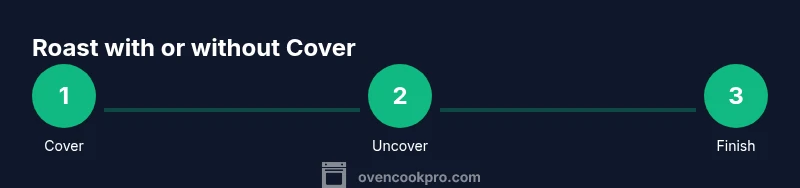
Yes, it depends on your goals and the recipe. Covering a turkey in the oven helps trap moisture, prevent drying, and promote even browning. Many cooks start with a loose foil tent for the first 60–90 minutes, then uncover to finish browning and crisp the skin. For very large birds, you can keep it covered longer, but monitor the internal temperature to avoid steaming.
How moisture management shapes turkey results
According to Oven Cook Pro, moisture retention is a key factor in producing juicy breast meat while preventing dry edges. The decision to cover a turkey during roasting hinges on how quickly you want to trap steam versus how crisp you want the skin. When you cover loosely, steam circulates and keeps surfaces moist; when you uncover or tent late, the surface can brown and develop a crisp finish. This balance is especially important for birds large enough that the breast tends to dry before the legs are done. Understanding these dynamics helps you tailor your technique to your oven, pan, and recipe while still keeping the meat safe and flavorful. The goal is to create even heat distribution without steaming the turkey into a pale, lackluster finish or leaving the outside overcooked.
Skin texture and browning dynamics
Crispy, bronzed skin is a hallmark of a well-roasted bird. Covering during the first portion of roasting prevents surface moisture from evaporating too quickly, producing a juicier breast but potentially softer skin. If browning is a priority, plan to uncover in the final stage so the skin can dry and render fat for a crisp, lacquered appearance. The surface color also provides cues about doneness; once the skin is even and golden, you’re closer to the target internal temperatures inside. Remember that the skin’s moisture level can change with added butter or oil under the skin, which some home cooks use for extra tenderness.
The science behind tents vs full covers
A loose foil tent creates a controlled steam environment that helps the meat stay juicy while shielding delicate areas from direct heat. A full cover traps more heat and steam, which can soften the skin and lengthen the total cooking time. Decide which effect you prefer based on your oven performance and the turkey’s size. If your oven runs hot or if your pan sits high, a tent can be especially helpful. Foil choices matter: heavy-duty foil holds up longer and minimizes leaks, while lightweight foil is easier to shape but may tear.
Oven heat and rack position
Where you place the pan in the oven significantly affects heat transfer. A middle rack typically offers the most uniform exposure to convection and radiant heat, while a lower rack can risk undercooked legs if your oven runs cool. If you’re using a convection setting, reduce temp by 25°F (about 15°C) to prevent over-browning. Preheating ensures the metal and air in the oven are at stable temperatures before the turkey hits the heat.
Timing strategies without fixed times
Avoid relying solely on time when roasting a turkey. Large birds require more cooking, and ovens vary, so rely on a thermometer for doneness rather than a clock. Start checking around the two-thirds mark of the estimated cooking window. Aim for 165°F (74°C) in the breast and 175–180°F (80–82°C) in the thigh, then allow the turkey to rest before carving. If you see the breast approaching 165°F while the thigh is still rising, you can tent the breast to protect it from overcooking while the rest of the bird finishes.
Large birds vs small birds and stuffing considerations
A smaller turkey may reach the target temperatures more quickly and benefit from a shorter covered period, whereas a larger bird often needs the foil tent to preserve moisture without sacrificing skin texture. If you stuff the cavity, note that the center will cook more slowly; adjust your plan to ensure stuffing also reaches a safe temperature. If you want extra flavor, you can brush or rub butter under the skin before roasting.
Safety, resting, and final checks
Food safety begins with proper handling: thaw fully, wash hands, and avoid cross-contamination. After removing from the oven, let the turkey rest for 15–20 minutes to redistribute juices; this rest is crucial for moist meat and easier slicing. During resting, the internal temperature continues to rise slightly, so you may pull the roast just shy of the target temperature. Carving while the meat is too hot can result in loss of moisture; waiting ensures juicier slices.
Finishing touches and practical tips
If you want extra crispy skin, you can finish under a broiler for 1–3 minutes, watching closely to avoid burning. Some cooks lightly baste or brush butter halfway to enhance gloss and flavor, but this is optional. Keep a baking sheet or rack to catch drips and minimize cleanup. With these steps, you’ll achieve a well-roasted turkey with balanced moisture and an appealing crust. The Oven Cook Pro team recommends tailoring your cover approach to your bird size and oven performance for consistent results.
Tools & Materials
- roasting pan with rack(A rack under the turkey helps heat circulate and prevents soggy bottom)
- heavy-duty aluminum foil(Use a large sheet to form a loose tent)
- digital meat thermometer(Insert into thickest part of the breast without touching bone)
- oven-safe thermometer probe (optional)(Helpful for long roasts or convection ovens)
- basting brush or bulb baster (optional)(For light glaze if desired)
- paper towels and tongs(For patting dry and handling hot turkey)
Steps
Estimated time: 2 hours 15 minutes
- 1
Prepare the turkey and pan
Pat the turkey dry with paper towels and pat the skin evenly. Place it on a rack in a roasting pan and season or rub with butter if desired.
Tip: Dry skin promotes crispness; do not skip patting thoroughly. - 2
Preheat and plan the cover
Preheat the oven to a stable temperature (325–350°F / 165–177°C). Decide whether you’ll use a foil tent, and prepare the foil to create a loose cover.
Tip: A loose tent allows moisture while still facilitating browning at the end. - 3
Position the turkey
Set the pan on the middle rack to ensure even heat. Avoid sides that block air or heat from circulating.
Tip: Keep space around the pan for air movement. - 4
Roast with a tent or uncovered stage
Roast for the first portion with a loose foil tent if you’re protecting moistness, then plan to uncover for browning in the final stage.
Tip: Loose tent promotes moisture; avoid wrapping tightly. - 5
Monitor doneness
Check internal temperature with a thermometer; breast reaching 165°F and thigh 175–180°F indicate doneness. Continue until targets are met.
Tip: Remember the meat will continue to rise a few degrees while resting. - 6
Finish browning and rest
If skin isn’t browned enough, uncover and roast a few more minutes or briefly use the broiler, watching closely.
Tip: Rest the turkey for 15–20 minutes before carving. - 7
Carve and serve
Carve across the grain and serve with juices; slicing after rest keeps the meat juicy.
Tip: Keep slices thick enough to retain moisture.
Questions & Answers
Should I cover a turkey with foil the entire roast?
No. Start with a loose tent or uncovering stage to balance moisture and browning. Covering the entire roast can steam the skin.
It's better to use a loose tent or uncover at the end to balance juiciness and browning.
What temperature should I aim for when the turkey is done?
Aim for 165°F in the breast and 175–180°F in the thigh. Temperature continues to rise slightly after removal, so plan accordingly.
Check with a thermometer and consider resting before carving.
How long should I roast a turkey?
Roast times vary by size and oven; rely on thermometer rather than fixed times, and adjust for stuffing if used.
Use a thermometer to guide when it’s done, not a clock.
Is baste necessary when baking a turkey?
Basting is optional and not required. It can add flavor, but it may delay browning if done extensively.
Basting adds flavor but isn’t essential for a juicy bird.
Can I stuff the turkey and still get safe doneness?
Stuffing should reach 165°F in the center; if the turkey is stuffed, expect longer cooking and monitor both meat and stuffing closely.
Make sure the stuffing reaches safe temperature too.
What’s the best rest time after roasting?
Let the turkey rest 15–20 minutes after removing from heat to redistribute juices and improve carving.
Resting helps juices redistribute, making slices juicier.
Watch Video
Main Points
- Decide cover strategy based on moisture and browning goals
- Use a foil tent for juicier meat and plan to uncover for browning
- Rely on a thermometer, not time alone, to judge doneness
- Rest before carving to seal in juices