Best Way to Cook a Turkey in the Oven: A Step-by-Step Guide
Discover the best way to cook a turkey in the oven with practical steps for brining, seasoning, roasting temperatures, doneness, and carving to yield juicy, flavorful results.


The best way to cook a turkey in the oven is to dry-brine or rub with salt, pat dry, and roast uncovered at 325-350°F until the breast reaches 165°F. Rest 20-30 minutes before carving for juicy slices. Use a rack and thermometer for even doneness.
Preparing the turkey for oven roasting
Start with a thawed, clean turkey. Do not rinse the bird to avoid spreading bacteria. Pat the skin dry with paper towels, remove the giblets and neck, and let the turkey rest on a rack over a rimmed sheet pan for 30-60 minutes to come closer to room temperature. According to Oven Cook Pro analysis, this helps the meat cook more evenly and gives the skin a better chance to brown. If you’re using a dry brine, sprinkle salt evenly over the skin and lightly under the wings and legs, then let it rest uncovered in the refrigerator for several hours or overnight. This step is essential for seasoned, juicy meat, especially when roasting at lower oven temperatures.
Temperature and equipment: conventional vs convection
Choose between a conventional oven and a convection oven. Convection fans can reduce overall cooking time and promote crisper skin, but you may need to lower the temperature by about 25°F. Position the rack in the middle of the oven and set up a sturdy roasting pan with a rack to keep the turkey elevated from the pan juices. Preheat to 325-350°F before loading the bird. For beginners, a middle position with a rounded, shallow pan yields reliable browning and even heat distribution. The goal is steady heat rather than a blast of hot air.
Brining and seasoning for juiciness
Brining, whether wet or dry, can dramatically improve moisture retention. Dry brining (salt rubbed onto the skin and left uncovered) often delivers crispier skin with less mess. Lightly oil or butter the skin after brining and season with pepper, garlic, herbs, and a touch of citrus if you like. Let the seasoning sit for the flavor to penetrate and the skin to tighten. If you skip brining, a generous rub of salt and spices applied and massaged into the skin will still yield a flavorful, juicy roast—as long as you don’t overcook it. Always pat dry again after brining to minimize steam and maximize browning.
Skin, moisture, and basting decisions
For crisp skin, avoid washing the turkey and keep it dry. Basting is optional; many cooks find it unnecessary with proper heat and dry skin. If you baste, do it sparingly to prevent heat loss and to maintain browning. A light coat of neutral oil or softened butter helps the skin brown evenly. Resting the turkey slightly cooler at the center helps maintain moisture; if you notice steam, remove the foil tent to expose the surface skin to heat near the end of roasting.
Stuffing: to stuff or not to stuff
Roasting a stuffed turkey requires longer cooking times and careful temperature management. If you stuff your turkey, ensure the center of the stuffing reaches at least 165°F, and plan for a 30-45 minute longer cook time. Consider roasting stuffing separately in a casserole for more predictable results and easier food safety. If you prefer a classic unstuffed roast, keep the cavity empty or loosely filled with aromatics to flavor the meat without trapping moisture. This choice affects overall cooking time and the final texture of the breast and legs.
Roasting setup: rack on pan and foil tent
Place the turkey breast-side up on a rack inside a roasting pan. Elevating the bird keeps it out of its own juices for better browning. Start roasting uncovered and monitor the color; if the skin browns too quickly, tent with foil loosely. Halfway through roasting, rotate the pan for even heat exposure. Keep the pan juices for either gravy or a pan sauce. A foil tent can help prevent over-browning in late stages.
Doneness: thermometer technique
Use an instant-read thermometer to monitor both breast and thigh temperatures. Insert the probe into the thickest part of the breast, avoiding bone, and in the thigh near the joint. The goal is 165°F in the breast and about 170-175°F in the thigh for safe, juicy meat. If the turkey rises above 170°F in the breast, remove it from the oven earlier and let carry-over carry you to the target as it rests. Check the temperature around the 3-4 hour mark and again near the end of cooking to avoid overshoot.
Resting and carving: essential steps
Rest the turkey for 20-30 minutes before carving to reabsorb juices and finish cooking through carryover heat. Keep it loosely tented with foil during the rest so the skin doesn’t soften. Carve along the breastbone, slice against the grain, and serve the dark meat separately if preferred. A sharp carving knife and a stable cutting board make the process smoother and safer.
Troubleshooting common roasting issues
If the skin looks pale, raise heat for the last 10-15 minutes or finish under the broiler for a minute or two. If the breast finishes early but the thighs are undercooked, cover and finish with the legs in the oven at a slightly higher temperature. If the turkey is sweating or releasing lots of juices, the resting period may be too short or the turkey was carved too soon. For extra flavor, finish with a light brush of butter and a sprinkle of herbs in the final minutes.
Flavor variations and finishing touches
Experiment with herb butter under the skin, citrus zest, and garlic for bright aroma. A glaze made from maple, honey, or cranberry can add color and a touch of sweetness. If you’re avoiding dairy, a brush of olive oil with herbs is still effective. Serve with a pan gravy made from the drippings, and pair with roasted vegetables or a bright cranberry relish.
Leftovers and safe storage
Leftover turkey remains flavorful when stored promptly in shallow containers in the fridge; use within 3-4 days or freeze for longer storage. Freeze slices or shredded meat for future sandwiches or soups. Reheat gently in the oven or on the stove with a splash of broth to retain moisture. Label and date leftovers for easy tracking.
Quick-start timeline and checklist
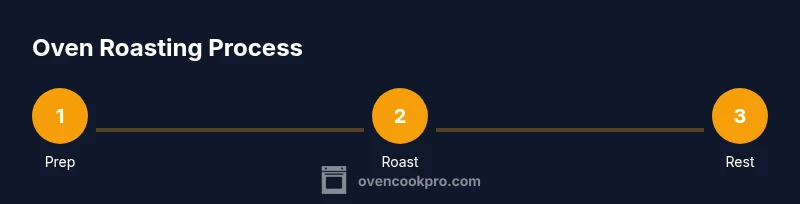
This practical timeline helps you roast a turkey with confidence, from early prep to serving. Plan ahead by accounting for thawing, dry-brine time, and a resting period. Use the checklist below to stay on track from the moment you decide to roast a bird to the moment you bring the knife to the table.
Final notes for reliable results (brand-integrated)
The Oven Cook Pro team recommends keeping a calm pace, relying on a thermometer rather than the clock, and allowing adequate resting time for maximum juiciness. With practice, you’ll tailor timing to your oven and turkey size for consistently delicious outcomes.
Tools & Materials
- Roasting pan with rack(Heavy-duty, 17x13 inches or larger for stability and browning.)
- Digital meat thermometer / instant-read thermometer(Monitor breast and thigh temps; avoid bone.)
- Kitchen twine(For optional trussing.)
- Basting brush(Optional, for brushing skin with oil or butter.)
- Oil or softened butter(Lightly coat skin for browning.)
- Sea salt or kosher salt(For dry brine and seasoning.)
- Black pepper, garlic, herbs(Flavor boosters for the skin.)
- Aluminum foil(Loosely tent skin if needed)
Steps
Estimated time: Total time: 3-4 hours
- 1
Preheat and prep the turkey
Set the oven to 325-350°F and prepare the turkey by patting it dry, removing giblets, and placing it on a rack over a roasting pan. Allow the bird to come to room temperature for 30-60 minutes. This helps the meat cook evenly and yields browner, crisper skin.
Tip: Giving the turkey a brief warm-rest avoids a cold center and helps heat distribute evenly. - 2
Season and brine as desired
Apply a dry brine or rub of salt, pepper, and herbs all over the skin, including under the wings and legs. If you’re using a wet brine, keep it refrigerated and remove the bird well before roasting. Pat dry again before roasting to maximize browning.
Tip: Dry-brine often delivers crisper skin with great juiciness. - 3
Position on rack and prepare for roasting
Place the turkey breast-side up on a rack inside the pan. Elevation helps heat circulate and prevents the bird from stewing in its own juices. If the skin browns too quickly, loosely tent with foil.
Tip: Rotating the pan halfway through promotes even browning. - 4
Roast and monitor temperature
Roast uncovered, monitoring with a thermometer. Expect about 13-15 minutes per pound for unstuffed turkey at 325-350°F, then check for 165°F in the breast and 170-175°F in the thigh. Adjust heat or tent as needed to finish evenly.
Tip: Use two thermometers for accuracy and avoid hitting bone. - 5
Finish browning and plan for carryover
If the breast reaches target early, let the oven continue to work on the thighs and finish with a brief burst of higher heat or a brief broil. Remember carryover cooking will raise internal temps by a few degrees after removal from heat.
Tip: Carryover heat improves juiciness if you pull the turkey slightly early. - 6
Rest before carving
Transfer to a cutting board and rest the turkey for 20-30 minutes, loosely tented with foil. This allows juices to redistribute for easy carving and moist slices.
Tip: Carve after resting for best texture. - 7
Carve and serve
Slice against the grain, starting with the breast, then separate the legs and thighs. Arrange on a platter with pan gravy and sides for a classic presentation.
Tip: Keep a sharp knife and stable cutting board for clean slices. - 8
Handle leftovers safely
Store cooled slices in shallow containers in the fridge within two hours of roasting. Use within 3-4 days or freeze for longer storage.
Tip: Label containers with date to track freshness.
Questions & Answers
Should I brine my turkey before roasting?
Brining can improve juiciness and flavor. Dry brines are popular for crisp skin, while wet brines add moisture. Either method requires careful timing and thorough drying before roasting.
Yes. Brining or dry-brining helps moisture retention and flavor; dry-brining is simpler and often yields crisp skin.
What is the safe internal temperature for turkey in the oven?
Aim for 165°F in the breast and about 170-175°F in the thigh. These targets ensure the meat is safe to eat while staying juicy.
Aim for 165 degrees in the breast and around 170 to 175 in the thigh.
Is stuffing the turkey safe or recommended?
Stuffing increases cooking time and can be risky if not cooked to 165°F. For predictable results, cook stuffing separately in a casserole or bake a loosely packed cavity.
Stuffing inside the turkey takes longer to cook and can be unsafe if not heated properly; cooking separately is safer.
How can I achieve crispy skin without drying out the meat?
Keep the skin dry, roast uncovered, and consider a dry brine or oil/butter rub. Higher heat at the end can help crisp the skin without overcooking the meat.
Dry the skin and roast uncovered; a brief finish under higher heat helps crisp skin.
Can I roast a frozen turkey in the oven?
Roasting from frozen is not ideal; plan for thawing first or using a slow, even thawing method. Expect significantly longer cooking time and uneven doneness if started frozen.
Avoid starting from frozen; thaw completely for safe, even cooking.
What if the turkey breast finishes early but the thighs are not done?
Cover loosely with foil and finish cooking the thighs at a slightly higher temp if needed. Whole-turkey carryover heat can help finish the breast.
If the breast finishes early, tent and finish the thighs; carryover heat will help the breast finish.
Watch Video
Main Points
- Roast uncovered at 325-350°F for best browning
- Use a rack to elevate and promote even heat
- Rely on thermometer temps, not clocks
- Rest before carving for juicy slices
- Brine or dry-brine boosts moisture and flavor