How to Cook a Turkey in the Oven: Step-by-Step Guide
Learn a reliable oven-roasted method for turkey, with prep, timing, temps, resting, and carving tips from Oven Cook Pro.


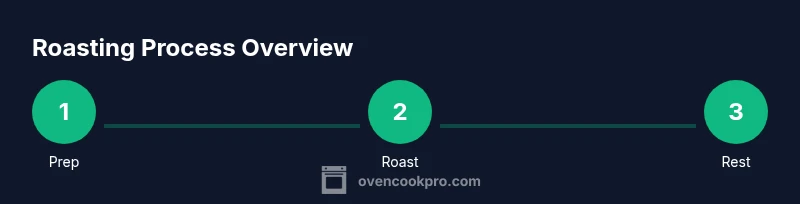
Goal: roast a turkey in the oven with juicy meat and crisp skin. Start with a thawed, properly dried turkey, preheat to 325–350°F, and roast until the thickest part reaches 165°F. Rest 20–30 minutes before carving. Use a thermometer, avoid over-basting, and consider a foil tent if the skin browns too quickly.
Why roast a turkey in the oven matters
Roasting a turkey in the oven is a reliable way to feed a crowd with even texture and deep, savory flavor. A properly roasted bird yields juicy white meat and a crisp, amber skin that guests expect for holidays or Sunday dinners. For home cooks, the oven offers predictable heat, convenience, and hands-off cooking once the timer is set. According to Oven Cook Pro, starting with a thawed, thoroughly dried turkey and a steady roasting temperature is the foundation of success. Understanding the why behind temperature, resting, and carryover cooking helps you avoid common pitfalls like dry breast meat or pale skin. With a solid plan, you can produce consistent results even if you’re cooking for relatives, friends, or a large family gathering.
In the rest of this guide, you’ll learn how to pick the right bird, prep safely, season for flavor, and monitor doneness so your roast turns out perfectly every time.
Choosing the right turkey for oven roasting
When shopping for a turkey, size matters for both space in your oven and serving needs. Most home roasts fall in the 12–16 pound range, which feeds about 8–14 people depending on slices. Fresh birds often roast more evenly than frozen ones, but thawing time is a factor. If you’re starting from frozen, plan extra days in the fridge to thaw fully before roasting. Look for a turkey with clean, intact skin and no off odors. Decide between a plain, minimally seasoned bird or one pre-brined or seasoned; keep in mind that saltier options require less additional salt during prep. Regardless of choice, pat the skin dry just before roasting to promote browning. For larger gatherings, consider two smaller birds for more even cooking and easier carving.
Thawing, brining, and prepping for oven roast
Patience is essential here. Allow roughly 24 hours of fridge thaw time for every 4–5 pounds of turkey; a 12–14 pound bird may require 2–3 days in the fridge. Do not rinse the bird before roasting; pat dry instead to preserve skin crispness. If you have time, a dry brine (salt rubbed into the skin or under the loosened skin) for 12–24 hours can boost juiciness and flavor. Avoid soaking or marinating with heavy liquids that can soggy the skin; simple seasonings and a coating of butter or oil are often enough. Remove any giblets and neck from the cavity, then loosely pat the inside and outside dry again before applying seasonings. For stuffed turkeys, ensure the stuffing reaches 165°F; for safer, faster cooking, roast unstuffed and cook stuffing separately.
Seasoning and flavoring options
Butter under the skin creates moisture and browning without soaking the meat. Mix softened butter with minced garlic, herbs like sage and thyme, and a pinch of lemon zest for brightness. Rub salt and pepper on the outside and inside the cavity; consider a light sprinkle of paprika or brown sugar for color. If you prefer, use olive oil or a neutral oil to help the spices adhere. Fresh herbs can be tucked into the cavity or scattered around the pan to perfume the roasting juices. For a more dramatic effect, finish with a quick glaze during the last 15–20 minutes: combine a little honey or maple with Dijon and brush sparingly.
The roasting method and timeline
Place the turkey breast side up on a rack in a roasting pan so heat circulates around the bird. Roast in the center of the oven, keeping the ambient temperature steady in the 325–350°F range. Start checking for doneness around the time recommended by weight; a typical 12–16 pound bird will need several hours. The thermometer should insert into the thickest part of the thigh (not touching bone) and read 165°F when finished. Remember, carryover cooking can raise the final internal temperature a few degrees after you remove it from the oven. If the skin browns too quickly, tent with aluminum foil and continue roasting.
Temperature, time, and safety checks
Do not rely on color alone to judge doneness. Rely on a digital, instant-read thermometer to monitor both the breast and thigh. When the breast hits around 160–161°F, the thigh will generally be near 165°F, and carryover will push the breast to the safe 165°F by serving time. Use a timer; avoid guessing with a large bird. For safety, keep raw poultry separate from ready-to-serve foods and wash hands after handling. The USDA guidelines support cooking poultry to at least 165°F; verify with a reliable thermometer.
Resting, carving, and serving for best juiciness
Once you pull the turkey from the oven, let it rest, loosely tented with foil, for 20–30 minutes. Resting allows juices to re-distribute, making carving easier and more forgiving. Carve along the natural seams and slice against the grain for tender portions. If you’ve roasted with a glaze, spoon some juices over the slices to enhance flavor. Slice the white meat and dark meat separately for even presentation on the platter.
Troubleshooting common problems
Common issues include dry breast meat, undercooked stuffing, and skin that won’t brown. If the breast dries out, brine or baste lightly and consider covering the breast section with foil while the legs finish cooking. If the skin won’t brown, increase temperature to 400°F for the last 10–15 minutes or brush with melted butter and rotate the pan to ensure heat reaches the surface. For undercooked meat, rely on a thermometer and extend roasting time rather than cutting into the breast early. Always rest before carving to avoid heat loss.
Advanced tips for perfect roast turkey
Consider a dry brine the night before for maximum juiciness. Use a roasting rack to ensure air can circulate under the bird. For extra aroma, place halved onions, carrots, and celery beneath the rack so the drippings collect around aromatics. Explore finishing with a brief high-heat blast at 450°F for 15 minutes in the final stage if you want extra color, watching the skin carefully. Finally, rest again 10–15 minutes after carving if you have leftover slices; this makes slicing easier and improves mouthfeel.
Tools & Materials
- Turkey, whole (thawed)(Choose size based on servings; ensure thawed completely.)
- Kosher salt or sea salt(For seasoning and optional dry brine.)
- Ground black pepper(Freshly ground works best.)
- Unsalted butter or olive oil(For skin and flavor.)
- Fresh herbs (sage, thyme)(Optional aromatics for stuffing or pan.)
- Garlic cloves(Optional aromatics for butter under skin.)
- Roasting pan with rack(Allows heat circulation and collects drippings.)
- Meat thermometer (instant-read)(Probe into thickest part without touching bone.)
- Aluminum foil(To tent if browning too fast.)
- Kitchen twine(For optional trussing.)
- Carving knife and cutting board(For neat serving and presentation.)
Steps
Estimated time: 3.5–4.5 hours
- 1
Prepare the turkey
Pat dry the thawed turkey thoroughly, and remove giblets and neck from the cavity. Do not rinse the bird, as this can spread bacteria and dryness; drying helps achieve crisp skin. If you have time, patting dry and resting the skin uncovered in the fridge for an hour can improve browning.
Tip: Pat dry thoroughly for best browning and easier seasoning adherence. - 2
Season the turkey
Apply salt evenly inside and outside the cavity, and lightly under the skin if possible. Finish with a butter or oil coating that helps browning. If you’re using a dry brine, rub salt in and let the bird rest uncovered in the fridge for 12–24 hours depending on weight.
Tip: A dry brine boosts juiciness and flavor without soggy skin. - 3
Preheat and prepare roasting setup
Preheat your oven to 325–350°F and place a rack in a roasting pan. Position the pan centered in the oven to ensure even heat. Have your thermometer ready and the bird trussed if desired for uniform cooking.
Tip: Center the pan for even heat distribution and avoid crowded racks. - 4
Roast and monitor temperature
Roast with the breast side up and insert the thermometer into the thickest part of the thigh (not touching bone). Expect the internal temperature to rise gradually; carryover cooking will finish it after removal. Consider tenting with foil if the skin browns too fast.
Tip: Use a thermometer, not color alone, to gauge doneness. - 5
Baste or glaze as needed
Basting is optional; if used, do so lightly and only occasionally to preserve crisp skin. If you want a glaze, apply during the last 15–20 minutes and avoid overdosing on sugar, which can burn.
Tip: Basting too often can soften the skin and negate browning. - 6
Tent and finish roasting
If the skin browns quickly, tent the turkey loosely with aluminum foil and finish cooking until the thermometer reads 165°F in the thigh and breast (not touching bone). Remove from the oven and begin resting.
Tip: Foil tent prevents over-browning while the interior finishes. - 7
Rest and carve
Let the turkey rest, loosely tented, for 20–30 minutes before carving. This redistributes juices and makes slicing easier. Carve along natural seams, separate white and dark meat, and serve with pan juices.
Tip: Resting ensures juicier slices and easier carving.
Questions & Answers
What is the best oven temperature for roasting a turkey?
A steady 325–350°F is ideal for even cooking and crispy skin. Higher temps brown skin faster but increase the risk of dry breast meat if not monitored.
Roast at 325 to 350 degrees to balance browning with juiciness.
Should you stuff a turkey for roasting?
For safety and even cooking, roast stuffing separately or ensure the stuffing inside reaches 165°F. Stuffing can extend roasting time and risk uneven doneness.
Stuffing inside the turkey can be tricky; cook stuffing separately to be safe.
How long does it take to cook a 12–16 lb turkey?
Unstuffed, plan roughly 13–15 minutes per pound at 350°F, but rely on a thermometer rather than time alone. Adjust for your oven.
About 3 to 4 hours for a 12–16 pound bird, but check the temp.
Can I finish the turkey at a higher temperature at the end?
Yes, you can finish with a brief 450°F blast for color during the last 10–15 minutes, watching closely to prevent burning.
A quick high-heat finish adds color but watch for over-browning.
What should I do if the skin isn’t browning?
Brush with melted butter or oil, and ensure the oven is hot enough. You can finish with a short high-heat phase.
Brush and finish with a brief hot blast if skin stays pale.
How do I know when the turkey is done besides the thermometer?
Check both the breast and thigh temperatures with a thermometer; ensure thigh reads 165°F and the breast is near 165°F, considering carryover cooking.
Let the thermometer be your guide for doneness.
Watch Video
Main Points
- Roast a thawed turkey with dry, even heat for best browning
- Use a thermometer to hit 165°F safely
- Rest 20–30 minutes before carving for juicier slices
- Tent with foil if browning too fast to prevent dryness
- Consider a dry brine for extra flavor and moisture