Turkey in a Conventional Oven: A Step-by-Step Guide
Learn how to roast a turkey in a conventional oven with reliable timing, temps, and safety tips. This guide covers thawing, brining options, preheating, roasting by weight, checking temperature, and resting for juicy, flavorful results.


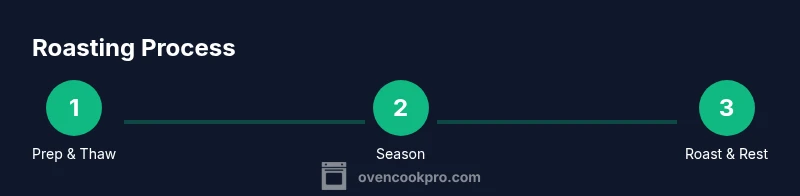
By the end, you’ll roast a turkey in a conventional oven that’s juicy, golden, and safe to eat. This guide covers thawing timelines, prep and brining options, searing vs. roasting, roasting temperature by weight, how to check doneness, and resting. Follow these steps for dependable, family-friendly results in a standard kitchen oven.
Why a conventional oven matters for turkey roasting
A conventional oven provides reliable, steady heat that surrounds the bird, promoting even browning of the skin while cooking the meat to a safe internal temperature. This type of oven is familiar to most home cooks and is forgiving enough for beginners when you follow a consistent temperature and time plan. According to Oven Cook Pro, consistent heat distribution helps prevent dry patches in white meat and uneven browning on the legs. The goal is a crisp, caramelized skin with juicy, tender flesh inside. With careful preparation and accurate temperature checks, a conventional oven delivers dependable Thanksgiving or Sunday dinner results year after year.
Before you start: thawing, planning, and timing
Start with a fully thawed turkey for even cooking. A cold bird will take longer to cook, leaving the outer layers overexposed to heat. Planning ahead helps you manage thaw times (usually 24 hours per 4–5 pounds in the fridge) and aligns with brining or dry-brining if you choose. Brining can add moisture and depth of flavor, but it requires extra time and a careful rinse to avoid overly salty meat. Map out a roasting window based on the turkey’s weight and your desired resting time so guests aren’t left waiting for dinner. A solid plan reduces stress and improves overall results.
Tools and ingredients you’ll want handy
Having the right tools makes roasting easier. A sturdy roasting pan with a rack allows air to circulate under the bird for even browning. A digital meat thermometer is essential for confirming doneness without guessing. A pastry brush, a sharp knife, kitchen twine for trussing, and a foil tent for rest periods are also helpful. Ingredients vary, but a simple mix of kosher salt, freshly ground pepper, olive oil or softened butter, garlic, and fresh herbs creates a flavorful starting point. Remember to remove any giblets and ensure the cavity is clean before roasting.
Roasting fundamentals: temperature, weight, and air flow
In a conventional oven, roast at a moderate, even temperature to ensure the meat cooks through without drying out. A common target is 325–350°F (163–177°C), adjusted slightly based on the turkey’s weight. Very large birds may benefit from a two-stage approach: start at a higher temperature for a short period to set the skin, then reduce heat to finish. Airflow and pan positioning matter: place the rack in the center, keep the bird unstuffed or lightly stuffed, and avoid overcrowding the oven. Consistency is key, so resist opening the door too often during the roast.
Seasoning, drying, and preparation for crisp skin
Pat the turkey dry with paper towels before applying oil or butter; a dry surface helps the skin crisp up. Season the exterior generously with salt, pepper, and herbs, and consider a light rub of garlic or lemon zest for added aroma. Trussing the bird (tying legs together) helps it roast evenly and prevents the wings from splaying. For those seeking extra moisture, a brief soak in a simple brine can be beneficial, but it requires extra planning and rinsing. Dry skin plus even heat equals crisp, appealing skin.
Checking doneness and the art of resting
Doneness is best confirmed with a digital thermometer inserted into the thickest part of the thigh without touching bone. The safe target is 165°F (74°C) in the thigh and a similar temperature in the breast. If the breast reaches target early, tent the bird with foil to prevent overcooking. Let the turkey rest 20–30 minutes after removal from the oven; this allows juices to redistribute and makes carving easier. Carryover heat will continue to cook the meat slightly during resting, so plan accordingly.
Common pitfalls and how to avoid them
Mistakes are common but fixable with a plan. Overcooking leads to dry breast meat, while insufficient resting prevents juices from redistributing. If the skin isn’t browning, raise the oven temp briefly for a few minutes at the start, then reduce. If the turkey is unevenly cooked, rotate the pan halfway through roasting. Avoid stuffing a large bird; stuffing slows heat penetration and can trap heat, increasing the risk of undercooked stuffing and unsafe temperatures. Dry brine or oil-based rubs help promote browning and flavor without excessive moisture loss.
Variations and practical tips for home kitchens
Stuffed versus unstuffed birds each present different timing considerations. Stuffed turkeys require additional cooking time and meticulous internal-temperature checks to ensure both turkey and stuffing are safe. Spatchcocking (removing the backbone and flattening the bird) can reduce roasting time and promote even cooking, though it’s messier to do. For crisp skin and rich flavor, finish with a high-heat blast for 5–10 minutes at the end of roasting, watching closely to avoid burning. Fresh herbs, citrus, and butter under the skin add aroma without complicating timing.
Safe handling, gravy, and leftovers
Always practice safe handling: wash hands, avoid cross-contamination, and refrigerate leftovers promptly. Pan drippings make a flavorful base for gravy; whisk in stock and a slurry of flour or cornstarch to achieve the desired consistency. Properly stored leftovers stay safe in the refrigerator for 3–4 days or can be frozen for longer storage. Reheat to at least 165°F (74°C) to ensure safety when enjoying leftovers. A well-planned roasting session reduces waste and yields a memorable meal.
Tools & Materials
- Whole turkey, thawed(Choose a size based on guests; plan 12–20 pounds for a typical family of 6–12.)
- Roasting pan with rack(Heavy gauge metal for heat distribution; rack elevates the bird for air circulation.)
- Digital meat thermometer(Probe into the thickest part of the thigh; avoid bone contact.)
- Kitchen twine (optional)(For trussing the legs and wings to promote even cooking.)
- Oil or softened butter(Brush or rub under and on top of the skin for browning.)
- Salt and pepper(Basic seasoning; kosher salt preferred for even flavor.)
- Garlic, herbs, citrus (optional)(Adds aroma and flavor under the skin or inside the cavity.)
- Aluminum foil(To tent the bird if the skin browns too quickly.)
Steps
Estimated time: 3-4 hours
- 1
Plan and thaw
If the turkey isn’t thawed, start thawing in the fridge 1–3 days before roasting, depending on weight. Plan absolutely for a safe, full thaw before roasting. This reduces uneven cooking and ensures the inside reaches a safe temperature.
Tip: Allow extra time if your bird is on the heavier end; don’t rush thawing in warm water. - 2
Preheat and prepare
Preheat your oven to 325–350°F (163–177°C). Remove giblets, pat the bird dry, and set on a rack in a roasting pan. Apply olive oil or butter, then season generously.
Tip: Dry skin helps with browning; don’t skip patting dry. - 3
Truss and season
Tie the legs and tuck the wings to promote even cooking. Rub the skin with salt, pepper, and herbs, and consider a citrus- or garlic-infused butter under the skin for added moisture.
Tip: Even coating under the skin yields more consistent flavor. - 4
Roast with monitoring
Roast in the center of the oven, rotating the pan halfway through for even browning. Keep an eye on skin color; if it browns too fast, tent with foil.
Tip: A shallow roasting pan helps air circulation and browning. - 5
Check internal temperature
Insert a digital thermometer into the thickest part of the thigh (not touching bone). Target 165°F (74°C) for safe, juicy meat. If the breast is undertemp, continue cooking while protecting the skin.
Tip: Some ovens run hot; rely on the thermometer rather than time alone. - 6
Rest before carving
Remove from oven, tent with foil, and rest 20–30 minutes. Juices redistribute, making carving easier and the meat juicier.
Tip: Resting time is essential; cutting early dries out the meat. - 7
Make gravy from pan drippings
Skim fat, deglaze with stock, and thicken with a flour slurry if desired. Use the drippings as the base for a flavorful gravy.
Tip: A small amount of cornstarch can also work for a quick, clear gravy. - 8
Serve and store leftovers
Carve and serve promptly; refrigerate leftovers within two hours. Properly stored leftovers last 3–4 days in the fridge or longer in the freezer.
Tip: Label containers with dates to avoid guesswork.
Questions & Answers
What is the best temperature for roasting a turkey in a conventional oven?
Most home roasters do well at 325–350°F (163–177°C). Lower temps yield even cooking and crisper skin with a longer roast; higher temps reduce time but risk drying the breast if not watched carefully.
A common range is 325 to 350 degrees Fahrenheit for reliable results. Keep an eye on the thermometer to avoid drying out the breast.
Should I brine my turkey before roasting it in a conventional oven?
Brining adds moisture and salt balance, but it requires planning. A wet or dry brine can improve juiciness, especially for larger birds; be mindful of salt levels and rinse well if using a wet brine.
Brining can help with juiciness, especially for bigger birds; plan for several additional hours or a full day depending on the method.
How do I know when the turkey is done without overcooking?
Use a digital thermometer; aim for 165°F (74°C) in the thigh and breast. Resting allows carryover cooking to finish the job. Avoid relying solely on time; temperature is king.
Check with a thermometer to 165 degrees in the thigh, then rest before carving.
Is it better to stuff or not stuff a turkey?
Unstuffed turkeys roast more evenly and reach safe temperatures faster. Stuffed birds require longer cooking and careful temperature checks for both meat and stuffing.
Unstuffed is simpler and often safer unless you’re prepared for longer cooking and careful checks.
Can I use a spatchcock method for a conventional oven roast?
Spatchcocking flattens the bird for faster, more even cooking and crisper skin, but it requires more space and careful handling. It’s a good technique for a quicker roast.
Spatchcock is great for even cooking and faster roasting if you have the space for it.
What should I do with the turkey drippings?
Drippings make a flavorful gravy base. Skim the fat, deglaze the pan with stock or wine, and thicken as desired.
Use the drippings to make a rich gravy after roasting.
Watch Video
Main Points
- Roast unstuffed for even cooking
- Monitor with a thermometer for safety
- Rest 20–30 minutes before carving
- Collect pan drippings for gravy
- Follow a weight-based timing approach