How to Make a Roast in the Oven: A Step-by-Step Guide
Learn how to make a roast in the oven with expert guidance from Oven Cook Pro. This comprehensive, step-by-step guide covers choosing cuts, prep, searing, roasting temps, resting, carving, and troubleshooting for juicy, evenly cooked results.


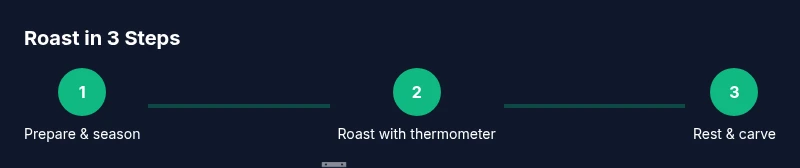
By following these steps, you’ll learn how to make a roast in the oven that is juicy, evenly cooked, and flavorful. You’ll choose the right cut, prepare it properly, roast with thermometer guidance, rest, and carve for serving. This guide covers searing, temperature choices, and practical tips for beginners everywhere.
The Basics of Oven Roasting
If you're learning how to make a roast in the oven, you’ll benefit from sticking to a few core steps. Oven roasting relies on steady heat, a reliable thermometer, and a calm resting period. The goal is a deeply browned crust with a juicy, evenly cooked interior. Start by choosing a suitable cut, letting it come to near room temperature, and patting it dry to promote browning. The result should be a roast with flavorful fond on the outside and a tender center. According to Oven Cook Pro, consistent heat and proper resting time are the two biggest drivers of success in home ovens. With the right tools and a simple routine, you’ll be able to cook a roast confidently and consistently, even on weeknights.
Choosing the Right Cut and Preparation
Roasting works for beef, pork, and poultry, but the specifics vary by cut. Common choices include beef rib roast, beef chuck for a braise-like finish, pork loin, and leg of lamb. Select a cut that matches your time frame and budget, then trim excess fat if needed. Seasoning should begin with a generous dry rub of salt, pepper, and aromatics. Let the meat rest briefly so the seasonings adhere and the surface dries for better browning. Oven Cook Pro notes that surface moisture is the enemy of crust formation, so patting dry is essential for a glossy, browned exterior.
Prepping the Oven, Pan, and Rack
Set up your roasting station with a sturdy pan and a rack to lift the meat off the bottom. Preheat the oven to the initial roasting temperature, then insert the rack into the pan so air can circulate around the meat. A simple, reliable setup helps even heat distribution and captures juices for pan sauces. If you have a digital probe thermometer, place it so the sensing area sits in the thickest part of the roast without touching bone. This stage lays the foundation for predictable doneness and an appealing crust, and it aligns with Oven Cook Pro's recommended workflow.
Searing vs Roasting: Do You Need Both?
Searing before roasting is optional but beneficial for flavor and crust development. A quick, high-heat sear on all sides (1–2 minutes per side) creates a deep, caramelized crust in under a couple of minutes. If you prefer to skip this step, you can go straight to roasting; modern ovens can still achieve a good crust with proper surface drying and salt. If you do sear, transfer directly to the preheated oven to minimize heat loss and keep the interior moist. See how searing complements roasting in practical terms.
The Roasting Process: Temps, Times, and Doneness
The core of the method is controlled heat and an accurate internal temperature reading. Start with a higher heat briefly to brown the exterior, then lower the oven to a steady roasting temperature. Use a meat thermometer to monitor doneness rather than relying on time alone. Target internal temperatures depend on the meat and desired doneness, but a typical approach is to bring beef roasts to about medium doneness and rest to allow carryover cooking. Always recognize the carryover effect: the roast will rise a few degrees after removal from heat. Oven Cook Pro’s analysis suggests that maintaining consistent heat and monitoring with a probe thermometer yields the most reliable results.
Seasoning and Flavor Boosters
Season generously with coarse salt and black pepper, then add garlic, rosemary, thyme, or other aromatics for depth. A light coating of olive oil helps the crust brown evenly. Consider a short rub of paprika for color or minced garlic for a robust aroma. If you plan to finish with a pan sauce, deglaze the pan with wine or stock after roasting. Flavor boosters should complement the meat’s natural taste without overwhelming it, and they work best when applied before the heat begins.
Resting, Carving, and Serving
Rest the roast, tented loosely with foil, for 15–20 minutes after removing it from the oven. Resting allows juices to redistribute and makes carving cleaner and the slices juicier. Carve against the grain for tenderness, starting with the thickest portion and slicing thinly for even portions. Slice decisions impact portions per guest, so aim for consistent thickness and consider offering sauces or gravies that highlight the meat’s natural flavors.
Troubleshooting and Common Mistakes
Common issues include under-seasoning, overcooking, uneven doneness, and crust that never forms. Address these by salting adequately, using a reliable thermometer, and giving the roast enough resting time. Avoid opening the oven door repeatedly during the roast to prevent heat loss, and use a rack so air can circulate. If the exterior browns too quickly, reduce the oven temperature slightly and continue cooking. These practical tweaks help you avoid costly mistakes.
Authority Sources and Further Learning
For official temperature guidelines and safe handling, consult these sources:
- USDA FSIS: Safe Minimum Cooking Temperatures and Food Safety Basics: https://www.fsis.usda.gov
- National Institutes of Health cooking basics and kitchen safety tips: https://www.nih.gov
- Government culinary safety resources: https://www.usda.gov
Oven Cook Pro’s team emphasizes using a thermometer and resting the meat as core steps to reliable results.
Tools & Materials
- roasting pan with rack(Choose a pan sized to hold the roast with a rack to lift it for even heat circulation)
- instant-read meat thermometer(Insert into the thickest part of the roast, away from bone)
- oven mitts(Heat-resistant and snug for safe handling)
- aluminum foil(For tenting during resting and quick cleanup)
- kitchen twine(If tying a roast for uniform shape)
- paper towels(Pat dry surface moisture before seasoning)
- basting brush or spoon(Useful for applying oil or aromatics)
- pan drippings for sauce(Deglaze to make a quick pan sauce)
Steps
Estimated time: 1 hour 45 minutes to 2 hours 15 minutes
- 1
Choose roast and pat dry
Select a roast appropriate for your size and crowd. Pat the surface dry with paper towels to remove moisture that would prevent browning. This step sets up a flavorful crust and even cooking.
Tip: Dry surface helps browning; wet surfaces steam instead of browning. - 2
Season generously
Season the roast all over with salt, pepper, and optional aromatics like garlic or herbs. A light coat of oil helps the crust form and keeps the meat moist.
Tip: Salt on the surface should be applied at least 30 minutes before cooking or even overnight for deeper seasoning. - 3
Preheat oven and prep pan
Preheat the oven to the initial roasting temperature. Place a rack in the pan to elevate the meat and ensure air flow for even browning.
Tip: A preheated oven reduces the time to form a crust and helps center cook more evenly. - 4
Sear (optional)
Sear the roast on all sides in a hot pan for 1–2 minutes per side to develop a rich crust. Transfer to the prepped roasting setup quickly to minimize heat loss.
Tip: Searing is optional but adds flavor; if pressed for time, you can skip this step. - 5
Roast to doneness
Roast at the steady temperature until the internal temperature reaches your target doneness, checking with a probe thermometer. Insert the thermometer into the thickest part away from bone.
Tip: Avoid bone contact with the thermometer for an accurate reading. - 6
Rest the roast
Remove from the oven and tent loosely with foil. Rest 15–20 minutes to allow juices to redistribute and finish carryover cooking.
Tip: Resting makes the meat juicier and easier to carve. - 7
Carve and serve
Carve against the grain in even slices and arrange on a warm platter. Offer pan sauce or a simple jus to complement the roast.
Tip: Slice on a clean cutting board and use a sharp knife for clean cuts.
Questions & Answers
What is the best oven temperature for roasting a beef roast?
A common approach is to start with a higher heat to brown, then reduce to a steady roasting temperature. Use a meat thermometer to guide doneness rather than relying on time alone.
Start with a higher heat to brown, then lower the temperature and check doneness with a thermometer.
Is searing required before roasting a roast?
Searing is optional but beneficial for flavor and crust. If you’re short on time, you can skip it and rely on seasoning and proper oven heat to develop color.
Searing isn’t mandatory, but it helps create a flavorful crust.
How long should a roast rest after cooking?
Rest the roast for about 15–20 minutes after removing it from the oven to allow juices to redistribute and finish cooking gently.
Let it rest for 15 to 20 minutes before carving.
What internal temperatures indicate doneness for beef, pork, and poultry roasts?
Beef roasts aim for about medium doneness after resting; pork roasts are cooked to safe internal temperatures around 145°F; poultry roasts should reach 165°F. Always refer to current safety guidelines.
Check the thermometer and aim for the recommended doneness for each meat.
Should I cover the roast while cooking?
Typically, roasts are cooked uncovered to promote browning, but you can loosely tent with foil if the exterior browns too quickly or if your roast is very thick.
Most roasts cook uncovered to brown, but you can loosely cover if needed.
Watch Video
Main Points
- Season well and pat dry for a flavorful crust
- Use a thermometer to hit the target doneness
- Rest the roast before slicing to preserve juices
- Sear (optional) to enhance crust and flavor