How to Cook Oven in Chicken: A Step-by-Step Guide
Learn how to cook oven in chicken safely and deliciously with Oven Cook Pro. This comprehensive guide covers prep, temps, timing, rest, and tips for juicy, crispy oven-roasted chicken.


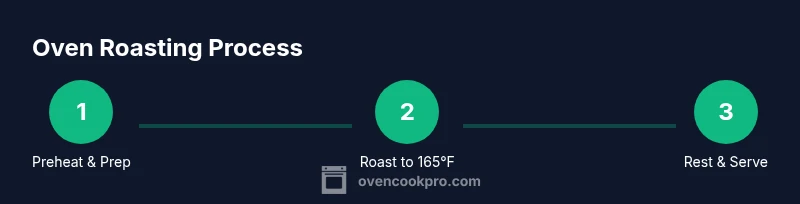
Goal: cook chicken in the oven safely, evenly, and juicy. Start by preheating to 425°F (218°C), patting dry, seasoning, and choosing a cut that's appropriate. Roast until the thickest part hits 165°F (74°C), then tent and rest 5-10 minutes. This guide covers prep, timing, and tips to avoid undercooking or overcooking.
Why Oven Cooking Is a Practical Method
Oven cooking is versatile and reliable for chicken, delivering consistent results with minimal hands-on time. When you roast chicken in the oven, the dry heat surrounds the meat, helping render fat and crisp the skin while keeping the interior juicy. This method works well for whole birds, bone-in pieces, or boneless cuts, and scales from weeknight dinners to holiday meals. According to Oven Cook Pro, mastering a few key variables—temperature, time, and resting—yields consistently delicious results for the home kitchen. By using proper temps and a thermometer, you can avoid both undercooking and overcooking, ensuring safety and flavor in every bite.
Prepping Your Chicken for Oven Roasting
Proper preparation sets the stage for success. Start with patting the chicken dry to remove surface moisture; this helps skin crisp during roasting. Apply a simple coating of salt, pepper, and optional herbs or spices for even flavor. If time allows, brining for 30–60 minutes can enhance juiciness, especially for larger pieces or a whole bird; skip brining if you prefer a quicker cook. Let the seasoned chicken sit for a short while so the surface moisture evaporates and the skin dries a bit more, promoting browning. A light coat of olive oil or softened butter helps carry flavors and improves browning. Always bring the chicken closer to room temperature for more even cooking on the inside.
Temperature, Time, and Doneness Guidelines
The most reliable way to hit the right doneness is to rely on an internal temperature rather than time alone. Chicken should reach an internal temperature of 165°F (74°C) in the thickest part. A 3–4 lb whole chicken typically roasts best around 425°F (218°C) and may take about 60-75 minutes, depending on the oven and exact size. Bone-in pieces (thighs, drumsticks) often finish faster, in roughly 25-40 minutes, while boneless breasts may need 15-25 minutes. Always insert the thermometer into the thickest part away from bone; once it hits 165°F, remove from heat and let rest. If skin browning too quickly, loosely tent with foil for the last 5–10 minutes.
Techniques for Crisp Skin and Juicy Meat
Crisp skin is the hallmark of well-roasted chicken. Start by patting dry and applying a thin oil coating to promote browning. Placing the chicken on a rack above a sheet pan allows air to circulate around the meat, resulting in even browning on all sides. For extra crispiness, you can air-dry the skin uncovered in the fridge for a few hours before roasting. Avoid overcrowding the pan; give each piece space so heat can circulate. A hot oven helps render fat quickly, while a slower finish can keep the interior juicy. Resting after cooking redistributes juices and solidifies the final texture.
Flavor Variations and How to Serve
Herbs, garlic, lemon slices, and paprika are classic companions for roasted chicken, but you can tailor flavors to your pantry. Add a garlic-herb rub under the skin for deeper flavor, or finish with fresh herbs and a squeeze of lemon juice after resting. Serve with roasted vegetables, potatoes, or a bright salad to balance the rich chicken. For extra soy-free or dairy-free options, rely on olive oil and fresh herbs rather than butter. Consistency comes from following the steps above, then adjusting seasoning in small increments for future cooks.
Authority and Safety Guidelines
Cooking chicken safely requires attention to heat and doneness. The USDA’s safe minimum cooking temperature for poultry is 165°F, and using a thermometer is the best way to confirm doneness. Following proper handling, cooking, and resting times helps ensure both safety and flavor. Oven Cook Pro emphasizes the importance of a reliable thermometer and precise oven temperature to achieve consistent results across different cuts and batch sizes.
Tools & Materials
- Whole chicken (3-4 lb) or bone-in pieces(Bone-in pieces stay juicier; whole chicken roasts evenly with a rack)
- Meat thermometer(Prefer instant-read for quick checks; target 165°F)
- Oven thermometer (optional)(Verify oven accuracy if you suspect temperature drift)
- Rack for roasting(Promotes air circulation for browning; use foil to elevate if no rack)
- Baking sheet or roasting pan(Line with parchment for easier cleanup)
- Olive oil or neutral oil(Lightly coat for skin crisping and even browning)
- Salt and pepper(Base seasoning; add garlic powder, paprika, and herbs as desired)
- Optional aromatics(Garlic cloves, lemon wedges, thyme or rosemary)
Steps
Estimated time: 60-75 minutes
- 1
Preheat oven to 425°F (218°C)
Power on the oven and set it to 425°F. Let it fully preheat so the chicken starts cooking immediately on entry, which helps with even browning. A thermometer inside the oven can confirm when the set point is reached.
Tip: Using an oven thermometer can verify accuracy if your oven runs hot or cool. - 2
Pat chicken dry
Remove excess moisture from the skin and surface with paper towels. Dry skin browns better and yields a crisper final texture. Do not rinse; moisture on the surface can steam the skin instead of browning.
Tip: Dry thoroughly, including inside the cavity for a uniform finish. - 3
Season the chicken
Season all over with salt, pepper, and optional spices or herbs. For extra flavor, lift the skin gently and rub seasoning under it. A light coat of oil helps the skin crisp and adhere to seasonings.
Tip: Even seasoning under the skin yields the most flavor impact. - 4
Arrange on rack over pan
Place the chicken on a rack set over a baking sheet to promote air circulation. If you don’t have a rack, elevate the chicken on crumpled foil or use a foil pedestal to keep it off the bottom.
Tip: Air circulation is key to consistent browning and juicy meat. - 5
Roast until 165°F
Roast until the thickest part of the chicken reaches 165°F (74°C). For a whole chicken, this often takes around 60–75 minutes at 425°F; bone-in parts may finish sooner. Use a thermometer for accuracy.
Tip: Check multiple spots on larger birds for even doneness. - 6
Rest before carving
Transfer the chicken to a cutting board and tent loosely with foil. Rest 5–10 minutes to let juices redistribute, which keeps the meat moist and easier to carve.
Tip: Resting is as important as cooking for juiciness.
Questions & Answers
What is the safe internal temperature for cooked chicken?
The safe internal temperature for cooked chicken is 165°F (74°C). Use a meat thermometer to check the thickest part away from bone. This aligns with USDA guidelines and Oven Cook Pro recommendations.
Cook chicken until it reaches 165 degrees Fahrenheit, checking with a thermometer for safety and juiciness.
Should I brine chicken before roasting?
Brining can improve moisture, especially for larger pieces or whole birds, but it’s optional. If you brine, keep it short (30–60 minutes) and rinse well before patting dry.
Brining can help with moisture, but it isn’t required for good results in a home oven.
Can I roast frozen chicken?
Roasting from frozen is not recommended if you want even doneness and texture. Thaw the chicken first, then roast as directed for best results.
It’s best to thaw chicken before roasting for even cooking and safe results.
How do I prevent dry chicken skin?
Pat dry, apply oil, and roast on a rack to maximize browning. Avoid overcooking and allow the meat to rest after cooking.
Dry skin is prevented by patting dry, oiling lightly, and not overcooking.
Is foil safe for shielding while roasting?
Foil is safe to use to shield skin if it browns too quickly. Loosely tent to prevent over-browning in the final minutes.
Yes, foil can help prevent over-browning toward the end.
Watch Video
Main Points
- Preheat to 425°F for best browning.
- Pat dry and season evenly for maximum flavor.
- Use a thermometer to ensure 165°F doneness.
- Rest 5-10 minutes for juicier meat.