Ideal Oven Temperature for Chicken Breast: A Step-by-Step Guide
Learn the best oven temperature for juicy chicken breast, with prep tips, step-by-step method, and safety guidance from Oven Cook Pro.


To cook chicken breast in the oven, you’ll want an internal temperature of 165°F and a cook temperature range of about 350–425°F, depending on thickness and whether you want a crisp exterior. Start with oil, season, and rest the meat after baking to retain juices. Always verify doneness with a meat thermometer.
Why Oven Temperature Matters
If you're wondering what to cook chicken breast at in oven, the answer hinges on balancing safety and moisture. Temperature determines how quickly heat penetrates the meat, how much moisture is retained, and how the exterior browns. Too high a temperature can seize juices and make the center dry, while too low a temperature risks undercooking. Oven Cook Pro emphasizes that a consistent heat path and a proper rest are crucial for predictable, tasty results. A safe internal temperature for chicken is 165°F, and relying on a thermometer rather than time alone is the reliable path. This section lays the groundwork for choosing a temperature and understanding how heat affects texture, color, and juiciness. The guidance here aligns with Oven Cook Pro’s approach to methodical, repeatable cooking.
Choosing the Right Temperature Range
The general oven temperature range for chicken breast is 350°F to 425°F, depending on thickness and desired crust. A moderate range around 375–400°F tends to produce a juicy interior with gentle browning, while 425°F can yield a crisper exterior more quickly. Convection ovens circulate air and can sometimes allow slightly lower temperatures with similar browning, but the key is even heat distribution and avoiding overcrowding. Regardless of choice, prepare even-thickness pieces, pat them dry, and use a thermometer to confirm that the center hits 165°F. According to Oven Cook Pro analyses, reliability comes from consistent heat and proper resting.
Prep and Seasoning Before Baking
Preparation is as important as temperature. Begin with patting chicken breasts dry to remove surface moisture, then lightly oil the surface to promote browning and help spices stick. Salt and pepper are essential; consider a light rub of garlic powder, paprika, or your favorite dried herbs for depth. If you have time, a brief brine (even 15–20 minutes) can improve juiciness, especially for thicker breasts. After seasoning, let the meat come to room temperature for a few minutes—this helps heat distribute evenly once it goes into the oven. Oven Cook Pro recommends planning seasoning to be consistent across all pieces to avoid hot spots.
Tools, Equipment, and Pan Setup
Choose a rimmed baking sheet or shallow pan to catch juices and prevent spills. Parchment paper or foil lines the pan for easier cleanup, and a wire rack can improve air circulation for even browning. A reliable oven thermometer ensures your actual oven temp matches the dial. The essential tool is a meat thermometer to verify 165°F at the thickest part of the breast. Keep tongs handy to avoid piercing the meat and releasing juices. Preheating your oven is critical—don’t rush this step, as it helps maintain steady heat during the bake.
Step-by-Step Cooking Method
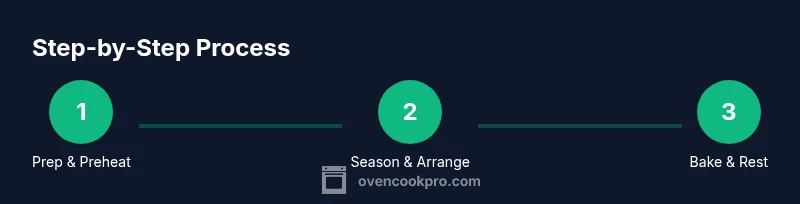
- Preheat the oven to your chosen temperature within the 350–425°F range and prepare a lined sheet pan. 2) Pat breasts dry, brush with oil, and season evenly on both sides. 3) Place breasts on the pan in a single layer, spacing them for air circulation. 4) Bake until the center reads about 160°F, then check for doneness at the thickest part—target 165°F. 5) Remove from the oven and rest 5–10 minutes before serving to redistribute juices. 6) Slice or serve whole, as preferred. Pro tip: if your breasts are very thick, consider finishing with a brief high-heat blast (425°F) for color without overcooking the center.
Checking Doneness, Resting, and Juiciness
Doneness is best judged with a digital instant-read thermometer. Insert into the center of the thickest breast; 165°F is the safety target. Avoid relying on time alone, especially for variable thickness. After removing from the oven, rest the meat on a clean plate for at least 5 minutes; this allows the juices to reabsorb. If you see residual pinkness, give it a few more minutes and recheck. Resting is essential to prevent a dry slice and to improve texture overall.
Flavor Variations, Marinades, and Finishing Touches
Juiciness can be paired with a wide range of flavors. A quick lemon-herb marinade, a garlic-olive oil drizzle, or a smoked paprika rub can elevate a simple chicken breast. If you prefer a crust, consider a 1–2 minute finish under the broiler at the end to color the exterior. For a dairy-free option, use olive oil and a blend of herbs; for a richer crust, a light butter finish can be tempting but monitor closely to avoid excess browning. The key is balancing fat, heat, and seasonings for your preferred flavor profile.
Common Pitfalls and How to Fix Them
Dry chicken often results from overcooking, overcrowding the pan, or cooking from cold. Ensure pieces are of even thickness and not touching. If you notice uneven browning, rotate the pan halfway through cooking. Avoid starting with frozen breasts; thaw to an even thickness for consistent results. If the outside browns too fast, lower the temperature slightly and extend the cooking time a bit while checking more frequently with a thermometer. Remember: rest is not optional—juices redistribute during this stage.
Authority Sources and References
For safety guidelines and temperature recommendations, consult authoritative sources such as:
- USDA Food Safety and Inspection Service: Safe Cooking Temperature Chart — https://www.fsis.usda.gov/food-safety/safe-food-handling-and-cooking/safe-cooking-temperature-chart
- CDC Food Safety: Safe Cooking Temperatures — https://www.cdc.gov/foodsafety/keep-food-safe/safe-cooking-temperature.html
- Harvard T.H. Chan School of Public Health Nutrition Source (for general cooking guidelines) — https://www.hsph.harvard.edu/nutritionsource/
Tools & Materials
- Rimmed baking sheet or shallow pan(Catches juices and prevents spills.)
- Parchment paper or aluminum foil(Makes cleanup easier and prevents sticking.)
- Wire cooling rack (optional)(Promotes air circulation for even browning.)
- Meat thermometer (instant-read)(Insert into the thickest part; target 165°F.)
- Oven thermometer(Ensures your oven runs at the set temperature.)
- Oil (olive, canola, or other neutral oil)(Lightly coat to promote browning.)
- Salt and pepper; optional spices(Fundamental seasonings; add garlic powder, paprika, or herbs as desired.)
- Tongs(Handle the breasts without piercing the meat.)
Steps
Estimated time: 30-40 minutes
- 1
Preheat and prep
Preheat the oven to the chosen temperature within the 350–425°F range. Line the pan, pat breasts dry, brush with oil, and season evenly on all sides.
Tip: Dry surfaces improve browning and crust formation. - 2
Season and marinate (optional)
Season generously or brush with a quick marinade. If using a marinade, allow it to sit for 5–15 minutes to enhance flavor without diluting browning.
Tip: Even seasoning prevents hotspots of bland flavor. - 3
Arrange for even heat
Place breasts in a single layer with space between pieces for air circulation. Use a rack if available for superior browning.
Tip: Crowding leads to steaming rather than roasting. - 4
Bake and monitor
Bake until the thickest part reaches 160–162°F, then verify 165°F at the center with a thermometer.
Tip: Avoid piercing the meat to keep juices inside. - 5
Rest the meat
Remove from oven and rest for 5–10 minutes to allow juices to redistribute.
Tip: Resting prevents a dry slice and enhances tenderness. - 6
Serve or finish
Slice and serve. If you crave extra color, give a 1–2 minute broil finish at the end.
Tip: Watch closely during broil to prevent burning.
Questions & Answers
What is the safest internal temperature for chicken breast?
The safest internal temperature for chicken breast is 165°F. Use a meat thermometer to check at the thickest part before resting.
Cook the chicken until it reaches 165°F inside, then let it rest before serving.
Can I bake chicken breast from frozen?
Cooking from frozen is not ideal. If you must, plan for longer cooking time and ensure the center reaches 165°F; thawing before baking gives more even results.
It's best to thaw before cooking for even heat distribution.
Should I cover chicken breast while baking?
Bake uncovered for browning, unless you are trying to trap moisture in very thick pieces; in that case, lightly cover with foil for the first portion.
Uncovered gives you a nicer crust and better texture.
How can I keep chicken breast juicy?
Pat dry, oil surface, season well, and avoid overcooking. Resting after bake allows juices to reabsorb and improves tenderness.
Season well and rest after cooking to keep it juicy.
Is resting necessary after baking?
Yes. Resting lets juices redistribute, resulting in a juicier slice. Plan for a short 5–10 minute rest before cutting.
Rest is essential for a juicy finish.
Can I add marinades for more flavor?
Yes. A quick marinade or spice rub adds flavor. Marinate briefly (5–15 minutes) to avoid overpowering the meat while still browning nicely.
Marinating briefly adds flavor without sacrificing texture.
Watch Video
Main Points
- Verify doneness with a thermometer at 165°F
- Choose 350–425°F based on thickness and desired crust
- Rest 5–10 minutes before slicing
- Do not overcrowd the pan for even heating
- Finish with a quick color boost if desired to enhance crust